
Why Is Fire Considered A Common Management Practice
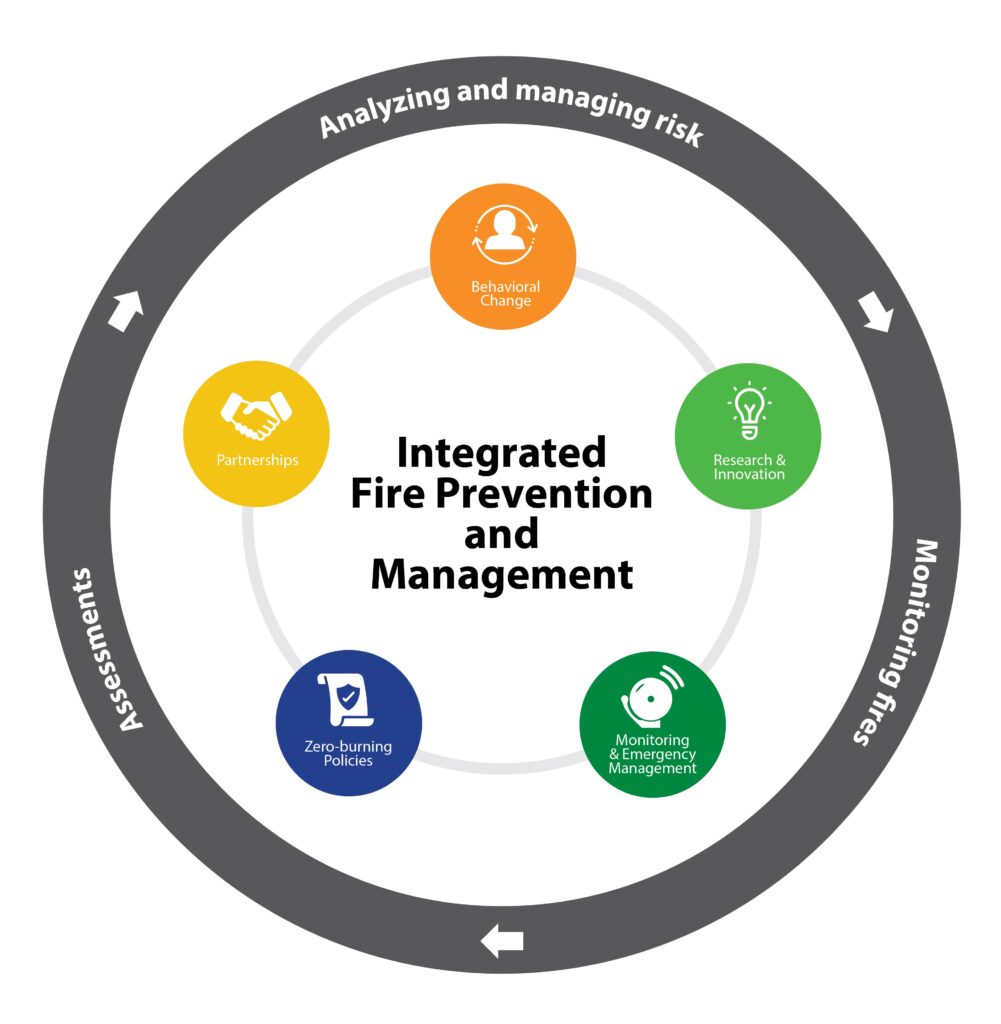
Ever think about fire? Like, really think about it? We often associate it with danger, burnt marshmallows, and maybe that one regrettable karaoke night (we've all been there!). But here's a twist: fire is actually a common management practice in many ecosystems. Who knew, right?
I know, I know. It sounds a little bonkers. "Management practice?" Like businesses manage budgets or soccer coaches manage their team? But stick with me, because the logic is surprisingly cool, and learning about it can seriously spice up your perspective on the world. (See what I did there? Spiced... fire... Never mind.)
Why "Manage" with Fire? The Eco-Friendly Pyromaniac!
Okay, "eco-friendly pyromaniac" might be pushing it a bit, but the core idea is spot on. For centuries, and in some cases millennia, indigenous communities have understood and utilized the power of controlled burns. They weren't just randomly setting things ablaze (please don't try this at home!). They were actively managing the landscape for a variety of incredibly important reasons.
Must Read
Think about it. Forests and grasslands, especially in drier climates, naturally accumulate a lot of dead leaves, branches, and other plant material. This stuff is fuel, just waiting for a spark. Now, you could just let it sit there, right? But here's what happens then:
- Massive Wildfires: All that fuel builds up, creating the potential for catastrophic wildfires that are much hotter, more destructive, and harder to control than a smaller, prescribed burn. Think of it like a pressure cooker – a little steam valve prevents the whole thing from exploding. Fire management acts as that valve.
- Reduced Biodiversity: Many plant and animal species have actually adapted to periodic fire. Some seeds, for example, only germinate after being exposed to the heat of a fire. Suppressing fire can lead to a less diverse ecosystem.
- Nutrient Cycling: Fire helps to break down dead organic matter, releasing essential nutrients back into the soil. This acts like a natural fertilizer, promoting new growth and a healthier ecosystem. Talk about recycling!
So, by intentionally setting small, controlled fires (under very specific conditions, of course!), land managers can prevent bigger, more devastating wildfires, promote biodiversity, and improve soil health. It's like a carefully choreographed dance between humans and nature, a way to work with fire, not against it.

Imagine a lawn that’s never mowed! The grass gets long, tangled, and unhealthy. Prescribed burns are, in some ways, like mowing a giant lawn. They clear out the old growth and make way for the new.
The Art and Science of Fire Management
It's not just about setting a match to some dry grass and hoping for the best. Fire management is a complex field that combines scientific understanding with traditional knowledge. It requires careful planning, skilled personnel, and a deep understanding of local ecosystems. (You definitely need more than just a lighter fluid!)
Factors like weather conditions, fuel load (the amount of available fuel), and topography all play a crucial role. Fire managers use sophisticated models to predict how a fire will behave, and they have a range of tools at their disposal, from drip torches to aerial firefighting equipment. They even consider the wind’s direction and speed!
Indigenous communities often hold invaluable knowledge about fire ecology. They have a deep understanding of how fire affects different plants and animals, and they know how to use fire to achieve specific goals, such as promoting the growth of certain food plants or creating habitat for wildlife. Incorporating this traditional knowledge into modern fire management practices is increasingly recognized as essential.
Why Should You Care?
So, why should you, sitting there reading this article, care about fire management? Well, for starters, it's fascinating! It's a reminder that our relationship with nature is complex and nuanced. We can't just try to control everything; sometimes, we need to learn to work with natural processes.
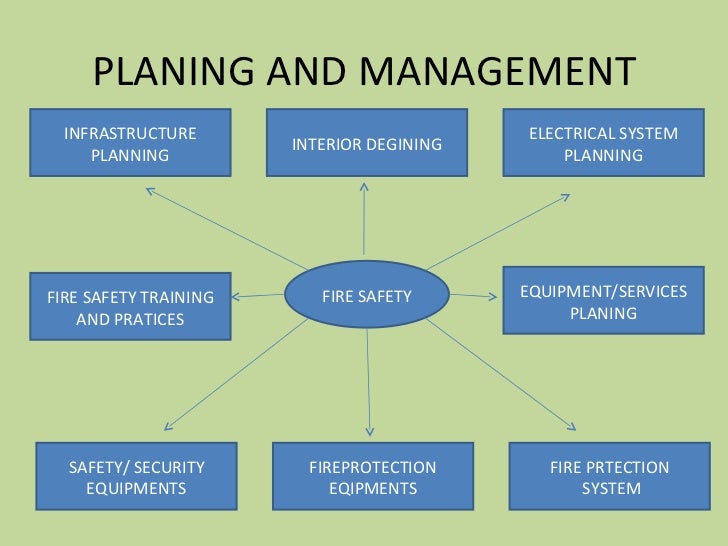
But more practically, understanding fire management can help you be a more informed citizen. You might be more aware of the importance of supporting responsible land management practices in your community. You might be more appreciative of the work that firefighters and land managers do to protect our forests and grasslands.
And hey, maybe you’ll even impress your friends at the next barbeque with your newfound knowledge of fire ecology. "Did you know," you can say, casually flipping a burger, "that controlled burns can actually increase biodiversity?" Minds. Blown.
Think of it. You're not just a regular person. You're a person who knows about ecosystem management, you're informed and interesting. Go forth and impress!
Ignite Your Curiosity!
Learning about fire management is like unlocking a secret code to understanding the natural world. It's a journey that can lead you to a deeper appreciation of the interconnectedness of all living things.
So, are you ready to learn more? There are tons of resources available online, from scientific articles to documentaries. You can even volunteer with local conservation organizations that are involved in fire management. The possibilities are endless! Go ahead, fan the flames of your curiosity! You might just discover a whole new world.