Why Does Water Make Grease Fire Worse

Ever been in the kitchen, cooking up a storm, and suddenly felt a jolt of panic as flames erupt from a pan of oil? It's a surprisingly common scenario, and our first instinct often screams, "Water!" But when it comes to grease fires, that very instinct can turn a bad situation into a much, much worse one. Understanding why water makes a grease fire worse isn't just a quirky piece of trivia; it's a vital bit of knowledge that can keep your kitchen, and your family, safe. It's a popular topic because almost everyone cooks, and unexpected fires can happen to anyone, making this a truly useful piece of wisdom to have in your back pocket.
So, who benefits from knowing this crucial information? Plenty of people! For beginners in the kitchen, perhaps just starting to cook for themselves, this is foundational safety. Learning this early can prevent future mishaps and build confidence. For families, especially those with kids, understanding grease fires means you can protect your loved ones and teach responsible kitchen habits. It's about creating a safer home environment. And even for seasoned hobbyists and passionate home chefs, who might be deep-frying or stir-frying frequently, reinforcing this knowledge can prevent a moment of distraction from turning into a disaster. It allows everyone to continue enjoying the culinary arts without unnecessary fear.
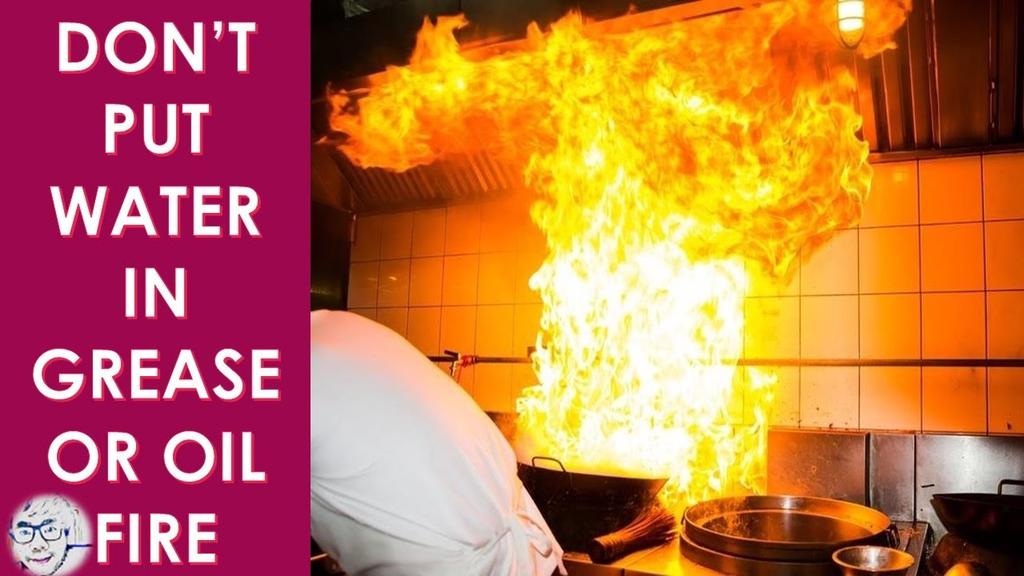
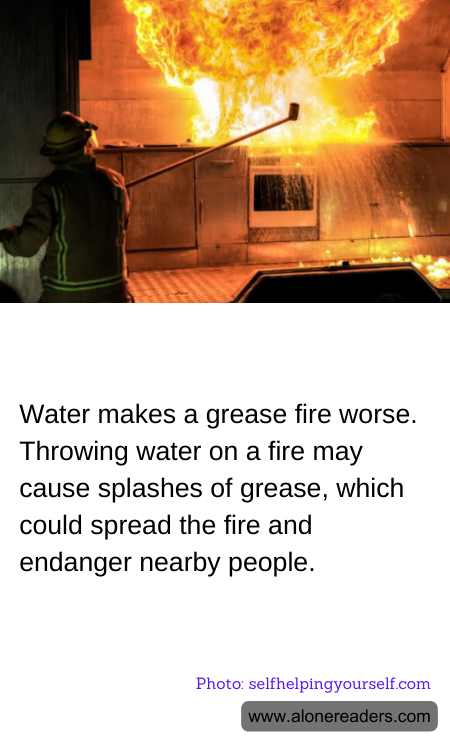
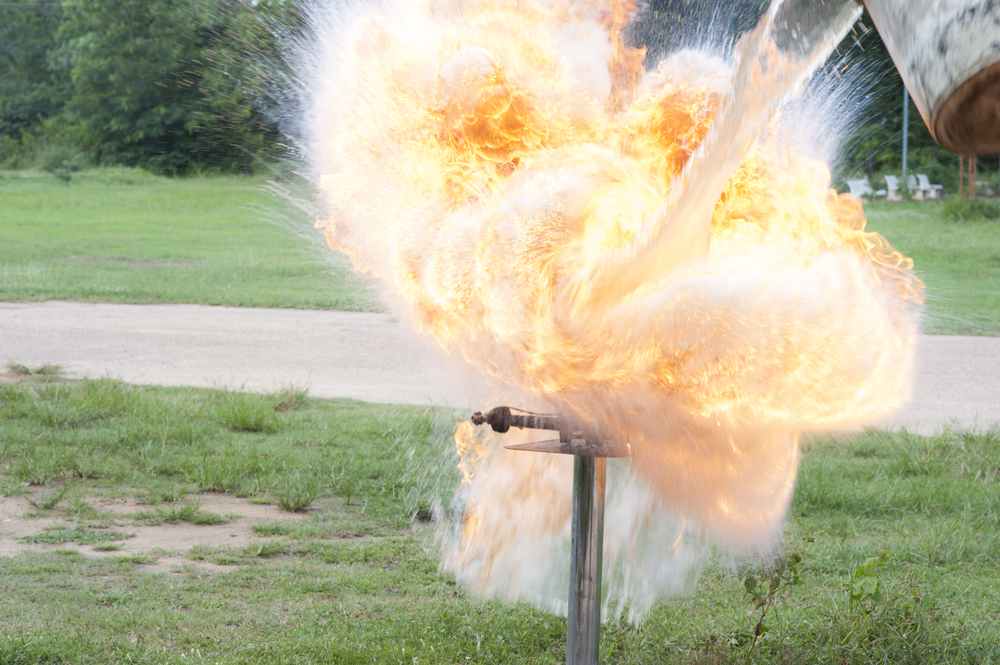
Let's dive into the fascinating, albeit alarming, science of it. Imagine you have a pan of burning oil on the stove. If you throw water onto it, here's what happens: oil and water don't mix, and oil is less dense than water. So, the water sinks to the bottom of the pan, directly beneath the burning oil. The pan is extremely hot, well above water's boiling point. This causes the water to instantly flash into steam. When water turns into steam, it expands incredibly rapidly – by about 1,700 times its original volume! This sudden expansion creates a mini-explosion, propelling tiny droplets of burning oil outward, like a fiery aerosol spray. This isn't just about making the fire bigger in the pan; it's about scattering burning oil onto your countertops, curtains, or even yourself, potentially spreading the fire and causing severe burns. This is why water, which works perfectly fine on a burning piece of wood or paper, is an absolute no-go for grease fires.
Must Read
So, what should you do if you encounter a grease fire? The most important tip is: DO NOT USE WATER! Instead, remember these simple, practical steps: first, if safe to do so, turn off the heat source. This cuts off the fuel supply. Next, and most effectively, smother the flames. If it's a small fire in a pan, carefully slide a metal lid or baking sheet over the pan to cut off the oxygen. Do not lift the lid until it's completely cooled down. You can also use a generous amount of baking soda (not baking powder!) on very small fires, as it releases carbon dioxide, which can help extinguish the flame. If the fire is larger or seems out of control, evacuate immediately and call 911. Having a Class K (kitchen) fire extinguisher readily available is also a smart move for any home cook.
Knowing this isn't just about avoiding danger; it's about feeling empowered and confident in your kitchen. It transforms a moment of potential panic into a clear action plan, allowing you to react effectively and safely. Understanding this basic principle gives you invaluable peace of mind, making your cooking experiences more enjoyable and stress-free.