
Why Does My Toilet Keep Running After Flushing
Let's face it, the toilet: not exactly the first thing that springs to mind when you think of creative inspiration. More often, it's a symbol of mundane necessity, a porcelain throne we take for granted… until it starts acting up! And few things are more irritating, or frankly, anxiety-inducing, than the dreaded running toilet. That persistent, gurgling sound is more than just annoying; it's money swirling down the drain, literally. But before you call a plumber in a panic, why not channel your inner MacGyver and investigate? You might be surprised at the creative problem-solving skills you unlock!
For the artistically inclined, the relentless drip-drip-drip of a malfunctioning toilet offers a unique challenge: a plumbing puzzle! Think of it as a 3D abstract sculpture waiting to be restored. For hobbyists, tackling a running toilet is a fantastic entry point into the world of home repair. It's low-stakes (compared to, say, rewiring your house!), and the potential for satisfaction is immense. And for the casual learner? Well, you’ll gain a practical skill that could save you a fortune in plumbing bills and impress your friends at your next dinner party. Plus, you'll understand the basic mechanics of a device you use every single day!
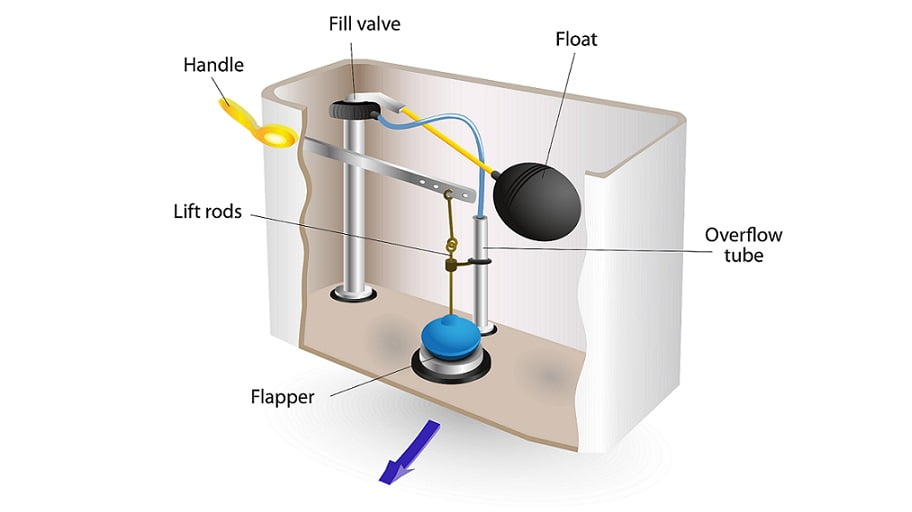
So, what are the usual suspects in this watery whodunnit? Often, it's the flapper – that rubbery seal at the bottom of the tank. Over time, it can become brittle, warped, or simply covered in mineral deposits, preventing a tight seal. Another common culprit is the fill valve, responsible for refilling the tank after a flush. If it's sticking or improperly adjusted, it can overfill the tank, causing water to spill into the overflow tube, hence the continuous running. Variations on these problems include a tangled chain connecting the flush handle to the flapper, a corroded float arm, or even debris lodged within the valve mechanisms.
Must Read
Ready to give it a go? Here’s how to try troubleshooting at home:
- Turn off the water supply. This is crucial! Locate the shut-off valve behind the toilet (usually a small oval handle) and turn it clockwise until it's completely closed.
- Remove the tank lid carefully. Place it on a protected surface.
- Observe. Flush the toilet and watch what happens inside the tank. Is the flapper sealing properly? Is the fill valve shutting off?
- Adjust the chain. If the chain is too long, it can get caught; if it's too short, it won't lift the flapper high enough.
- Clean the flapper. Use a scrub brush to remove any mineral buildup. Consider replacing it if it's visibly damaged.
- Adjust the fill valve. Most fill valves have a float mechanism that can be adjusted to control the water level. Consult your toilet's manual or search online for specific instructions.
Why is this enjoyable? Because fixing a running toilet is a testament to your resourcefulness and problem-solving abilities. It’s about taking ownership of your living space and learning a new skill. There’s a certain quiet pride in knowing you’ve conquered a household annoyance with your own two hands, and saved some money in the process. And let's be honest, silencing that incessant gurgle is music to anyone's ears.


:max_bytes(150000):strip_icc():format(webp)/How-to-Stop-a-Toilet-From-Running-Constantly-8316-Flush-Valve-02-4ebb17121441476a8c16599b1367543b.jpg)