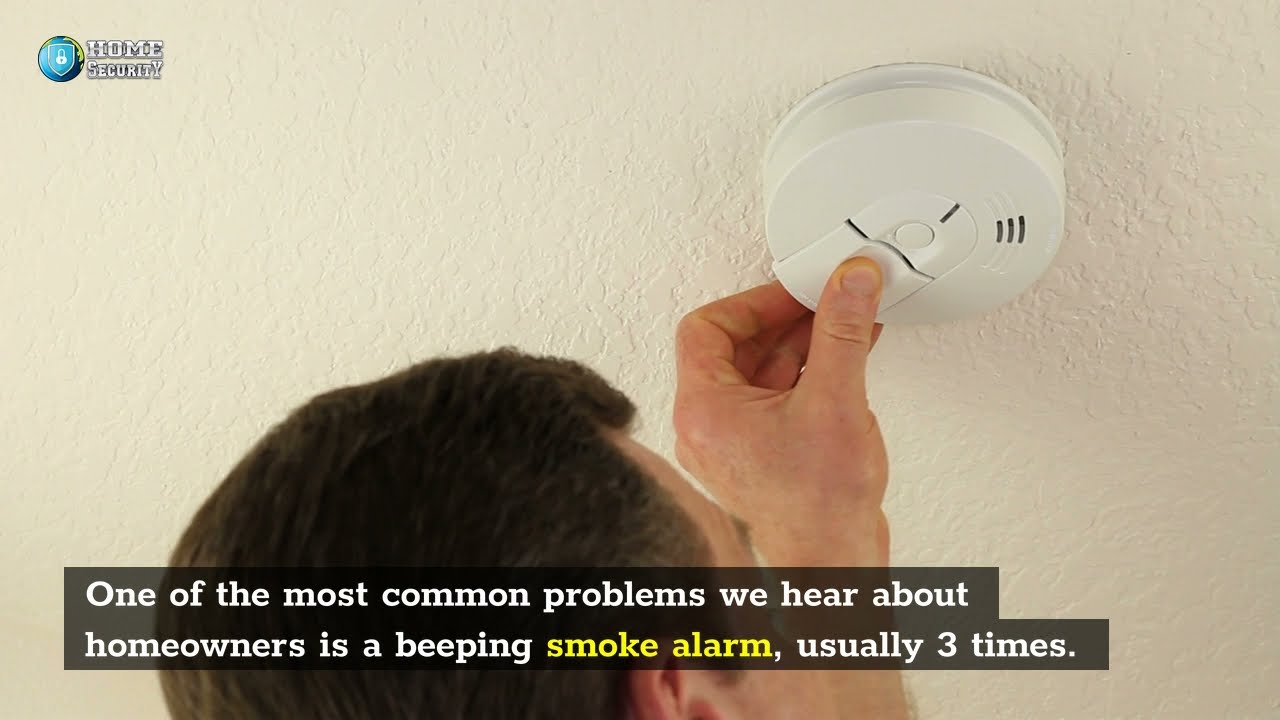
Why Does My Smoke Alarm Beep 3 Times

Ah, the humble smoke alarm. It sits there, quietly minding its own business, a silent sentinel in your home. Most of the time, we hardly notice it, a subtle fixture on the ceiling. But then, it erupts – a piercing, sudden cry that can launch you out of bed faster than a cat discovering a cucumber. And while those moments are undeniably jarring, let’s be honest: we wouldn't trade that jolt for anything. Why? Because this little gadget is nothing short of a lifesaver, a tiny guardian angel that ensures your peace of mind and, when needed, gives you precious seconds to react to danger. It's the ultimate 'better safe than sorry' device, a product we don't enjoy in the traditional sense, but deeply appreciate for the invaluable security it provides.
So, you’re jolted awake, heart pounding, and your smoke alarm isn't screaming a continuous siren, nor is it giving that irritating, intermittent single chirp that means "change my battery, peasant!" Instead, it's letting out a distinct, rhythmic pattern: three beeps, followed by a pause, then three more beeps. What in the blazes does that mean? Is it Morse code for "your toast is definitely burnt"?
Most commonly, when your smoke alarm — especially a modern, combination smoke and carbon monoxide (CO) detector — emits this specific three-beep pattern, it’s waving a red flag about something far more insidious than smoke: carbon monoxide. That's right, those three beeps are typically the sound of your alarm detecting the presence of this invisible, odorless, and utterly deadly gas. It’s a silent killer, often dubbed the "silent killer" because it offers no warning signs to humans until it’s too late. Your smoke alarm, however, is a superhero with a super sense of smell for CO, and those three beeps are its urgent warning, giving you the critical heads-up to evacuate and get fresh air.
Must Read
Beyond being a brilliant early warning system for CO, combination alarms also detect smoke. The continuous, ear-splitting shriek is for fire, while the three-beep pattern is usually reserved for CO. Understanding this difference is crucial. The purpose is simple: to save lives and prevent devastating property damage. These devices are mandated in homes across the globe for good reason; they are your first line of defense against emergencies that can quickly turn catastrophic. From apartment buildings to cozy family homes, dorm rooms to vacation rentals, these alarms are diligently at work, providing an invisible shield of safety.
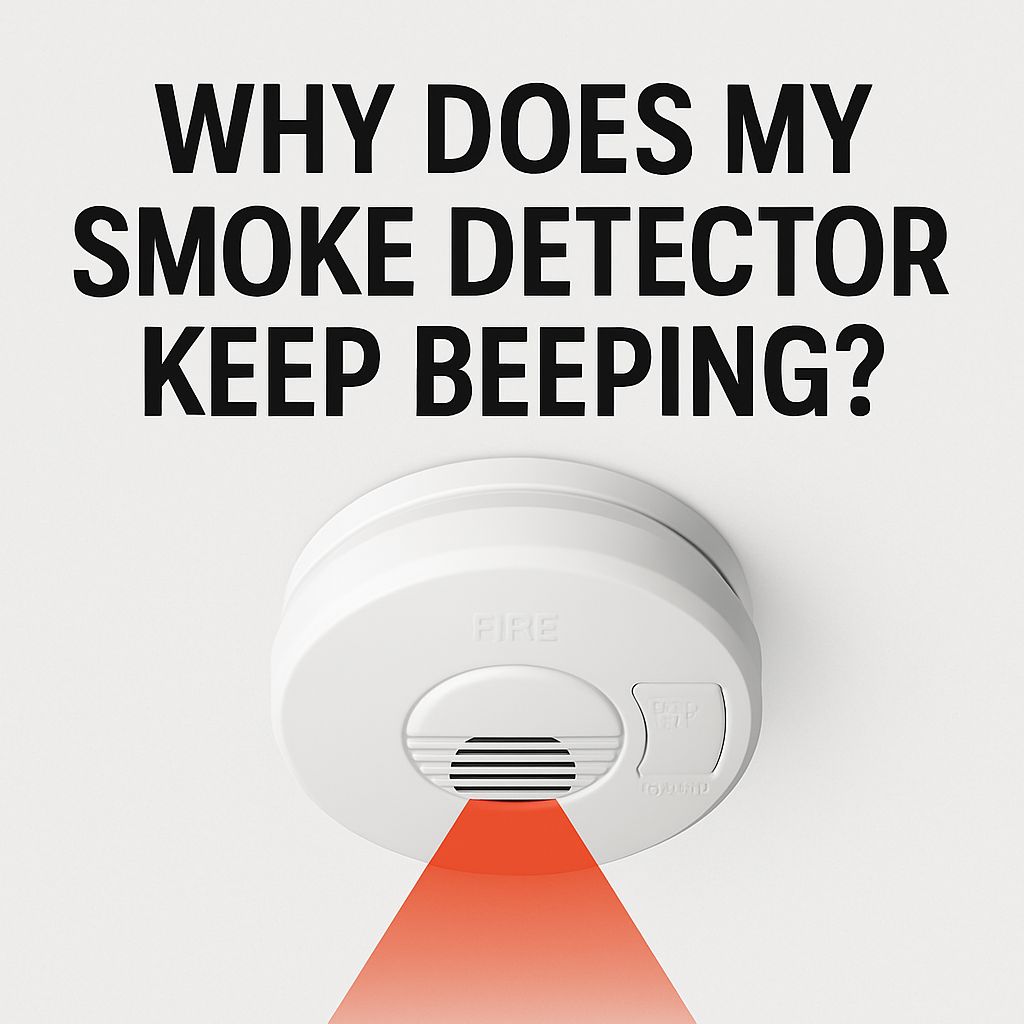
Now, how can you live in harmony with your diligent little guardian, ensuring it's always ready to protect you without driving you bonkers? Here are some practical tips:
- Know Your Beeps: A continuous alarm means smoke/fire. A single chirp means low battery or end of life. Three distinct beeps usually mean CO (if it's a combo unit). Familiarize yourself with your specific model's manual.
- Test Regularly: Press that "test" button once a month. It’s like giving your alarm a little check-up.
- Change Batteries Annually: Even if it's wired, most have a battery backup. A good habit is to change them when you change your clocks for daylight saving time.
- Replace Alarms: Smoke alarms have a lifespan, typically 7-10 years. After that, their sensors lose sensitivity. Check the manufacturing date on the back!
- Clean Them: Dust can interfere with sensors. Gently vacuum around the alarm's vents a couple of times a year.
- Placement Matters: Install alarms on every level of your home, inside and outside sleeping areas. For CO alarms, place them near sleeping areas and on every level.
So, the next time your smoke alarm lets out those three specific beeps, don't just curse it for interrupting your nap. Instead, take a deep breath (of fresh air, hopefully!), remember its critical message, and appreciate that little plastic disc for being the vigilant hero it truly is. It's not trying to annoy you; it's trying to save you!