Why Does A Hard Wired Smoke Detector Chirp
You know that sound, don't you? That faint, intermittent, yet incredibly insistent chirp that pierces the quiet of your home, usually in the dead of night. It’s the soundtrack to many a sleepless hour for homeowners everywhere. We're talking about the humble smoke detector, specifically the hard-wired kind, and its mysterious, repetitive cry. Ever wonder why a device that's supposedly plugged into your home's electricity supply still feels the need to loudly announce a low battery? It's a fantastic question, and one that delves into the clever engineering behind these vital guardians of our homes. Understanding this little quirk isn't just about silencing an annoyance; it’s about appreciating the silent, constant work these devices do to keep us safe.
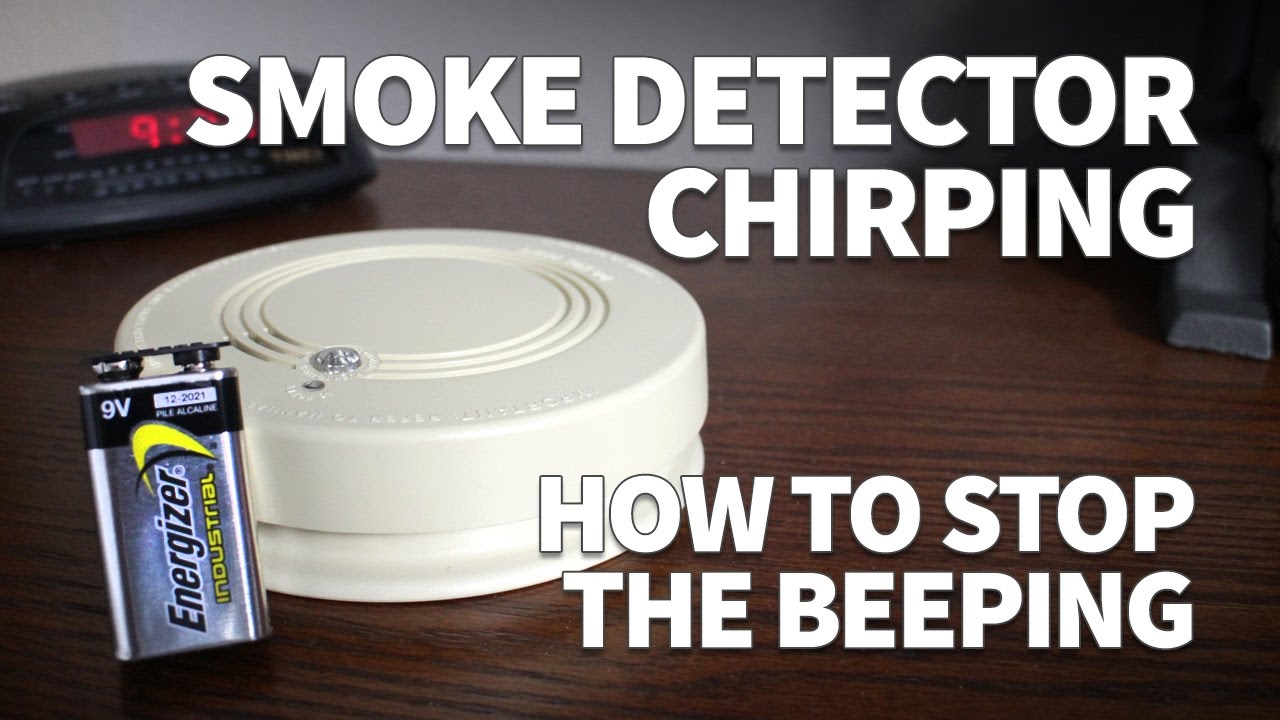
So, let's dive into the core purpose of that chirp. Even if your smoke detector is hard-wired into your home's electrical system, it still contains a backup battery. This battery isn't for everyday power; it's there as a crucial failsafe. Imagine a power outage – perhaps due to a storm, or an issue with your electrical grid. If your smoke detector relied solely on household current, it would instantly become useless. That backup battery ensures that your smoke detector remains vigilant, continuing its life-saving vigil even when the lights go out. The chirp, then, is its polite (if persistent) way of saying, "Hey! My backup power source is getting weak. Please replace me so I can keep protecting you in an emergency!" It’s a critical warning system for its own operational readiness, ensuring that its primary function of detecting smoke is never compromised due to a lack of power.
In our daily lives, understanding this is incredibly practical. When that chirp starts, it's not just a random fault; it's a direct call to action. Think of it as a little lesson in home maintenance and safety. For instance, when you hear the chirp, the first step is always to identify the culprit. Often, the sound can echo, making it tricky to pinpoint. A good tip is to stand directly under what you suspect is the chirping unit. In an educational context, knowing this helps us appreciate the layers of redundancy built into safety systems. It teaches us about the importance of scheduled checks – just like we might learn about regular car maintenance, our homes require attention too. It highlights that even robust, seemingly self-sufficient systems have vulnerabilities that need proactive management.
Must Read
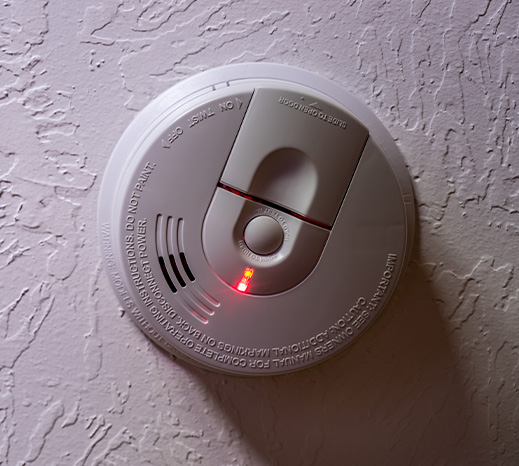
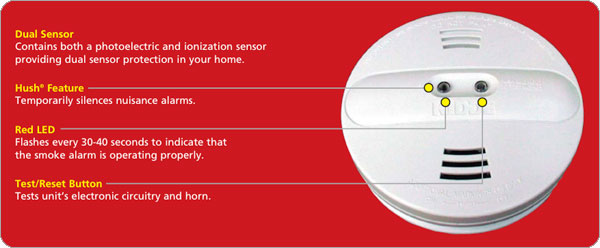
Ready to explore this a bit more practically? Here are some simple ways to interact with your chirping detector. Firstly, locate the unit. Most hard-wired detectors have a small compartment for a 9V battery or sometimes AA batteries. You’ll usually need to twist the unit counter-clockwise to remove it from its base plate, revealing the battery slot. Always turn off the power to the circuit at your breaker box before touching a hard-wired detector! This is a crucial safety step. Replace the old battery with a fresh one. Once replaced, press the test button on the detector to confirm it’s working. Beyond just the battery, take a moment to check the unit's expiration date – smoke detectors typically need to be replaced entirely every 10 years, as their sensors degrade over time. By taking these simple steps, you're not just silencing an annoying chirp; you're actively participating in maintaining a safer home environment, demonstrating a keen understanding of your home's protective systems. It’s a small, curious mystery with a very important solution!