Why Do You Change The Direction Of A Ceiling Fan
:max_bytes(150000):strip_icc()/ceiling-fan-rotate-direction-1907533-v4-5ba94e6346e0fb002576cebf.png)
Ever stare up at your ceiling fan, contemplating its spinning blades with the same intensity you reserve for deciphering a Christopher Nolan film? You're not alone. It's a seemingly simple device, but understanding when to switch its direction is key to optimizing comfort and saving energy. Think of it as the "Inception" of home climate control, but, thankfully, much easier to grasp.
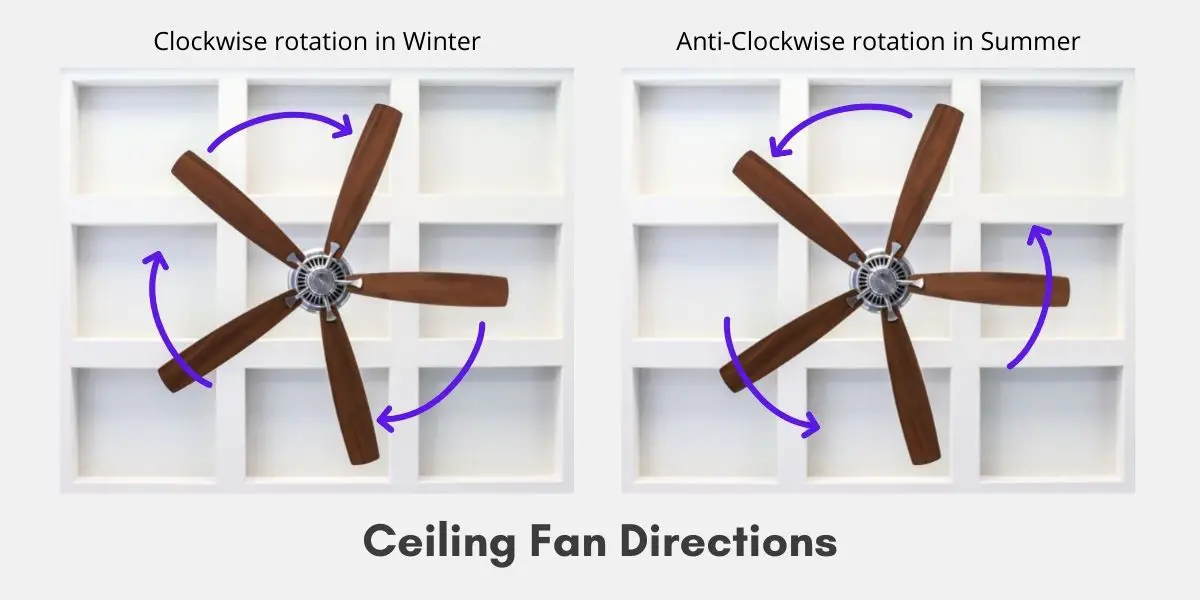
Summer Cool: Counter-Clockwise is Your Friend
When the mercury climbs higher than your summer wardrobe is willing to go, you want your ceiling fan spinning counter-clockwise. This creates a downdraft, a gentle breeze that cools your skin through evaporation. Imagine standing in front of an open refrigerator, but without the guilt. The air isn't actually getting colder; it's just feeling that way, making you more comfortable.
Practical Tip: Stand directly underneath your fan while it's spinning counter-clockwise. If you don't feel a gentle breeze, it's time for a direction change!
Must Read
Think of it this way: your fan is like a tiny, personal wind turbine, pushing air down to mimic a natural breeze. This cooling effect allows you to raise your thermostat a few degrees without sacrificing comfort, saving you money on your electricity bill. It’s like getting a discount on happiness!
Winter Warmth: Clockwise for Cozy Comfort
Now, when the leaves start turning and the pumpkin spice latte cravings kick in, it's time to reverse direction. Switch your fan to spin clockwise at a low speed. This creates an updraft, gently pulling cool air up towards the ceiling and pushing the warmer air, which naturally rises, back down towards the floor.
Fun Fact: Hot air rises because it's less dense than cold air. It's the same principle that makes hot air balloons float. Your ceiling fan is just helping nature along a little.
The goal here isn't to feel a direct breeze (that would be chilly!), but rather to distribute the warm air more evenly throughout the room. This minimizes those dreaded cold spots and prevents your heating system from working overtime. Think of it as your own personal atmospheric circulation system!
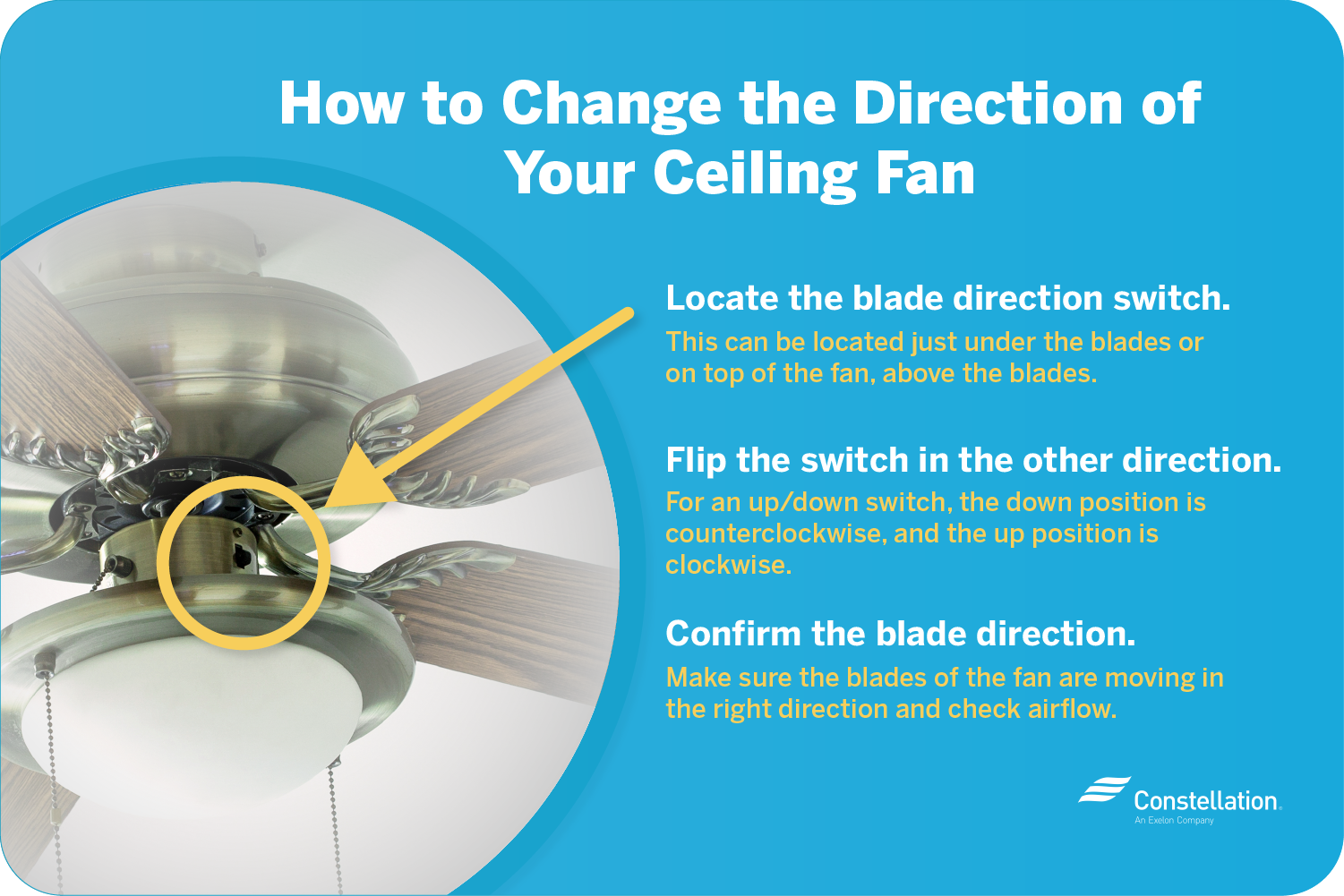
Practical Tip: Remember to set your fan to the lowest speed when running it clockwise. You don't want a windstorm indoors, just gentle air circulation.

The Science Behind the Spin
It all boils down to air circulation. In summer, you want to create a cooling breeze. In winter, you want to redistribute warm air. By understanding this simple principle, you can use your ceiling fan to create a more comfortable and energy-efficient living space year-round. It's not just about aesthetics; it's about optimizing your environment.
Cultural Reference: Think of the classic image of a porch swing gently swaying under a ceiling fan on a hot summer day. That counter-clockwise spin is part of that iconic scene, a symbol of relaxation and escape from the heat.

More Than Just Decoration
Ceiling fans aren't just decorative elements; they're powerful tools for managing your home's climate. By understanding how to adjust their direction, you can significantly improve your comfort levels and reduce your energy consumption. It's a small change with a big impact. Think of it as a sustainable superpower you already possess.
Bold statement: Ignoring your ceiling fan's directional capabilities is like leaving money on the table. You're missing out on a simple and effective way to save energy and enhance your comfort.
Ultimately, paying attention to the small details, like the direction of your ceiling fan, can make a surprisingly large difference in your daily life. It’s a reminder that even seemingly insignificant adjustments can lead to greater comfort, efficiency, and a deeper connection to the environment around us. So, next time you glance up at your spinning blades, remember that you have the power to control more than just the speed; you have the power to influence your own comfort and contribute to a more sustainable lifestyle. And that's something to feel good about.