Why Do Space Heaters Use So Much Electricity

Okay, let's talk space heaters! It's probably something you've wondered about, especially when that winter electricity bill arrives like a tiny, icy dagger to the heart. We've all been there: that cozy warmth feels amazing, but the back of your mind is screaming, "What's this costing me?!" Understanding why these little comfort machines seem to gobble up so much electricity is actually pretty fascinating, and super practical for keeping your budget (and your toes!) happy.
So, why the electric hunger? The core reason is that space heaters primarily rely on resistance heating. Think of it like a giant toaster oven, but instead of bread, you're heating the air. Inside, there's a coil – a resistor – that electricity flows through. This resistance creates heat. To generate enough heat to actually warm a room, the heater needs to draw a significant amount of power. The more heat you want, the more power it needs. It's a pretty direct relationship.
For beginners, the key takeaway is simply this: space heaters are power-hungry because they directly convert electricity into heat. There are no fancy energy-saving tricks involved in most basic models. For families, this means being mindful of where and when you're using them. Is the entire house cold, or just the baby's room? Could a warmer blanket be just as effective? Thinking strategically can really cut down on costs. And for the DIY enthusiast or hobbyist, exploring different types of space heaters – like infrared or oil-filled radiators – might reveal subtle efficiency differences and projects for improving your home's heating setup.
Must Read
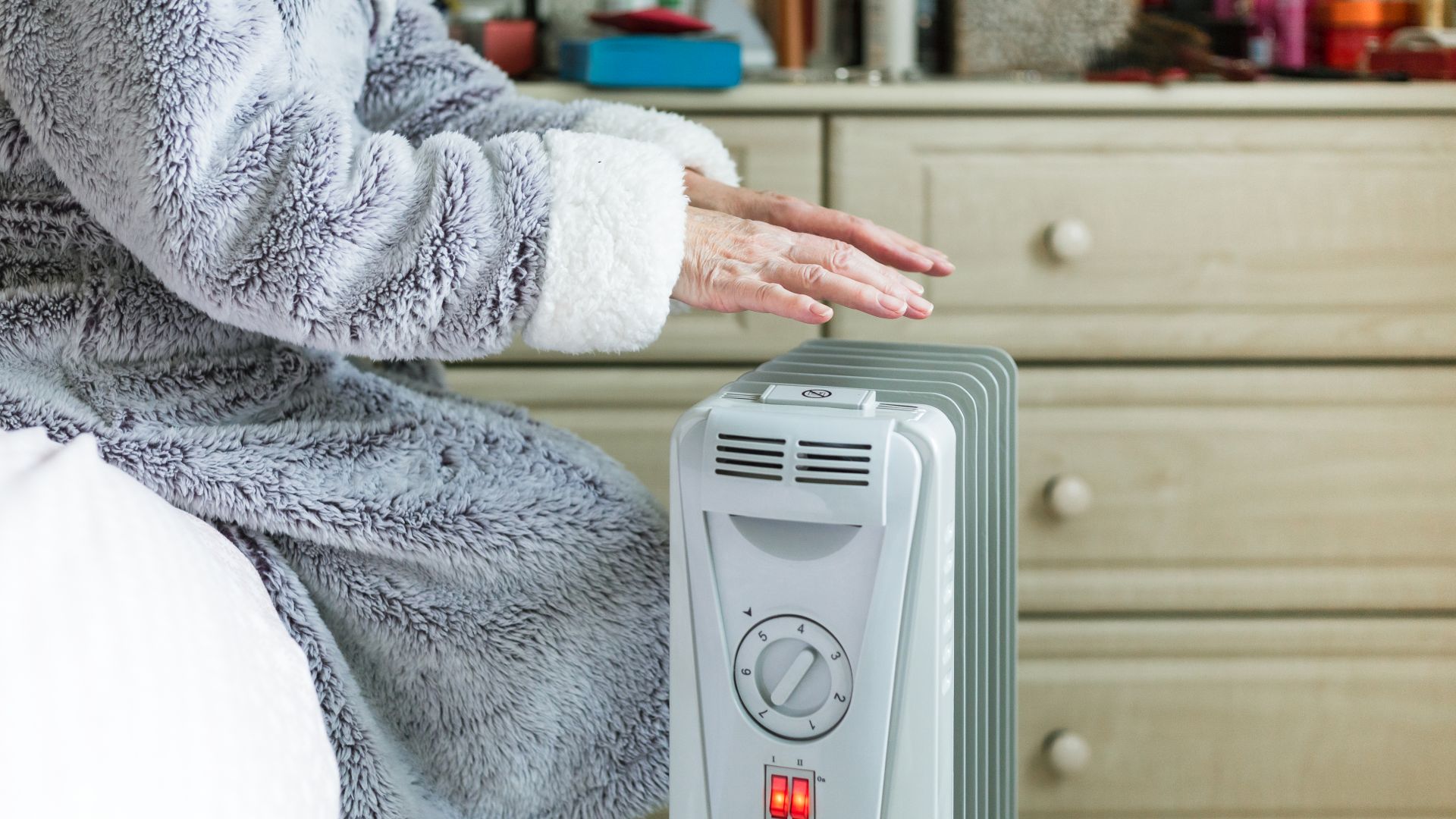
There are different types of space heaters, each with its own quirks. Ceramic heaters, for instance, often have a fan to circulate the heated air, while oil-filled radiators heat oil that then radiates warmth. Infrared heaters use radiant heat, like the sun, to warm objects directly in front of them. Each type may have slightly different efficiency levels, but they all still need to draw a lot of power to produce a noticeable amount of heat.

Here are a few simple, practical tips to keep in mind:
- Size Matters: Choose the right size heater for your room. A small heater struggling to warm a large space will just run constantly and waste energy.
- Insulate, Insulate, Insulate: Make sure your room is properly insulated to prevent heat from escaping. Seal windows and doors with weather stripping.
- Thermostat Control: Use a space heater with a thermostat to maintain a consistent temperature and prevent overheating (and overspending).
- Timing is Key: Only use the heater when you're actually in the room and need the extra warmth.
- Consider Alternatives: Think about alternative ways to stay warm, like layering clothing, using a heated blanket, or addressing the underlying issue of why your room is cold in the first place.
Understanding why space heaters use so much electricity empowers you to make informed choices about their use. You can balance the comfort they provide with the cost, ensuring that you stay warm without breaking the bank. Experiment with these tips, find what works best for your situation, and enjoy the cozy warmth responsibly! After all, a little knowledge goes a long way in keeping your home – and your wallet – happy.
.png)