Why Do People Want To Get Rid Of Daylight Savings
Alright, settle in, grab a cuppa, and let's talk about something that pretty much everyone has an opinion on, even if they don't quite realize it: that biannual clock-fiddling ritual we call Daylight Saving Time. You know the drill, right? Spring forward, lose an hour of precious sleep, feel weird for a week. Fall back, gain an hour, feel weird for a week because suddenly it's dark at 4 PM. It’s like a seasonal riddle, a quirky tradition that makes us all collectively groan. But have you ever stopped to wonder why so many people are itching to ditch it entirely?
It's a curious thing, isn't it? For something designed to make our lives better, it sure seems to generate a lot of grumbles. Let's peel back the layers of this time-shifting onion and see what's really bugging people.
The Sleep Stealer
Perhaps the most immediate and visceral complaint about Daylight Saving Time, especially the "spring forward" part, is the outright theft of an hour of sleep. It sounds trivial, just 60 minutes, right? But for our bodies, it's a bigger deal than you might think. Our internal clocks, our circadian rhythms, are pretty finely tuned. They thrive on routine.
Must Read
Suddenly shifting that routine is like telling your internal alarm clock to take a hike. Many folks describe it as a sort of mini jet lag, except you haven't even gone anywhere! You're just sitting in your living room, feeling disoriented. For parents, it's even worse. Getting kids to adjust their sleep schedules by an hour? That's a Herculean task, often involving more tears than actual sleep.
Health Headaches and Safety Scares
It turns out, that missing hour isn't just an inconvenience; it can actually have some pretty significant impacts on our health. Studies have popped up showing a slight but noticeable spike in things like heart attacks and strokes in the days following the spring forward. Why? Scientists think it's all tied back to that sleep disruption and the stress it puts on our bodies.

And it's not just hearts. There's also evidence of an increase in car accidents in the week after the time change, likely due to fatigued drivers. When we "fall back" in the autumn, it gets dark earlier, which can also contribute to safety concerns for pedestrians and drivers alike during the evening commute. It’s a bit alarming to think our clocks might be linked to such serious stuff, isn't it?
The Energy Myth: Does it Really Save Power?
One of the original justifications for Daylight Saving Time, dating back to World War I, was to save energy. The idea was that with more daylight in the evenings, people would use less artificial light. Sounds logical, right?
Well, fast forward to the 21st century, and things have changed a bit. Our homes are filled with all sorts of electronics that weren't even dreamed of back then. Air conditioning, for example, often runs more in the evenings when it's still light and warm. Modern lighting is also far more energy-efficient than it used to be. Many studies now suggest that the energy savings from DST are either minimal, nonexistent, or even negative. It's like still driving a horse and buggy to save on gas when everyone else has electric cars. The original purpose just doesn't quite fit our modern world anymore.

The Digital Dilemma and General Annoyance
In our hyper-connected world, the time change also creates some digital headaches. While most of our devices magically adjust themselves, not everything does, and coordinating schedules across different time zones (or places that don't observe DST) can be a real pain. Think about booking international calls or planning remote meetings – it adds an extra layer of "wait, what time is it really?" confusion.
Beyond the practicalities, there's just the sheer annoyance factor. The biannual ritual feels increasingly pointless to many. It disrupts routines, makes mornings feel darker, and generally just adds a touch of chaos to an otherwise orderly world. Why bother with such a disruptive tradition if its benefits are debatable and its downsides are so clearly felt?

What’s the Alternative? Permanent Time!
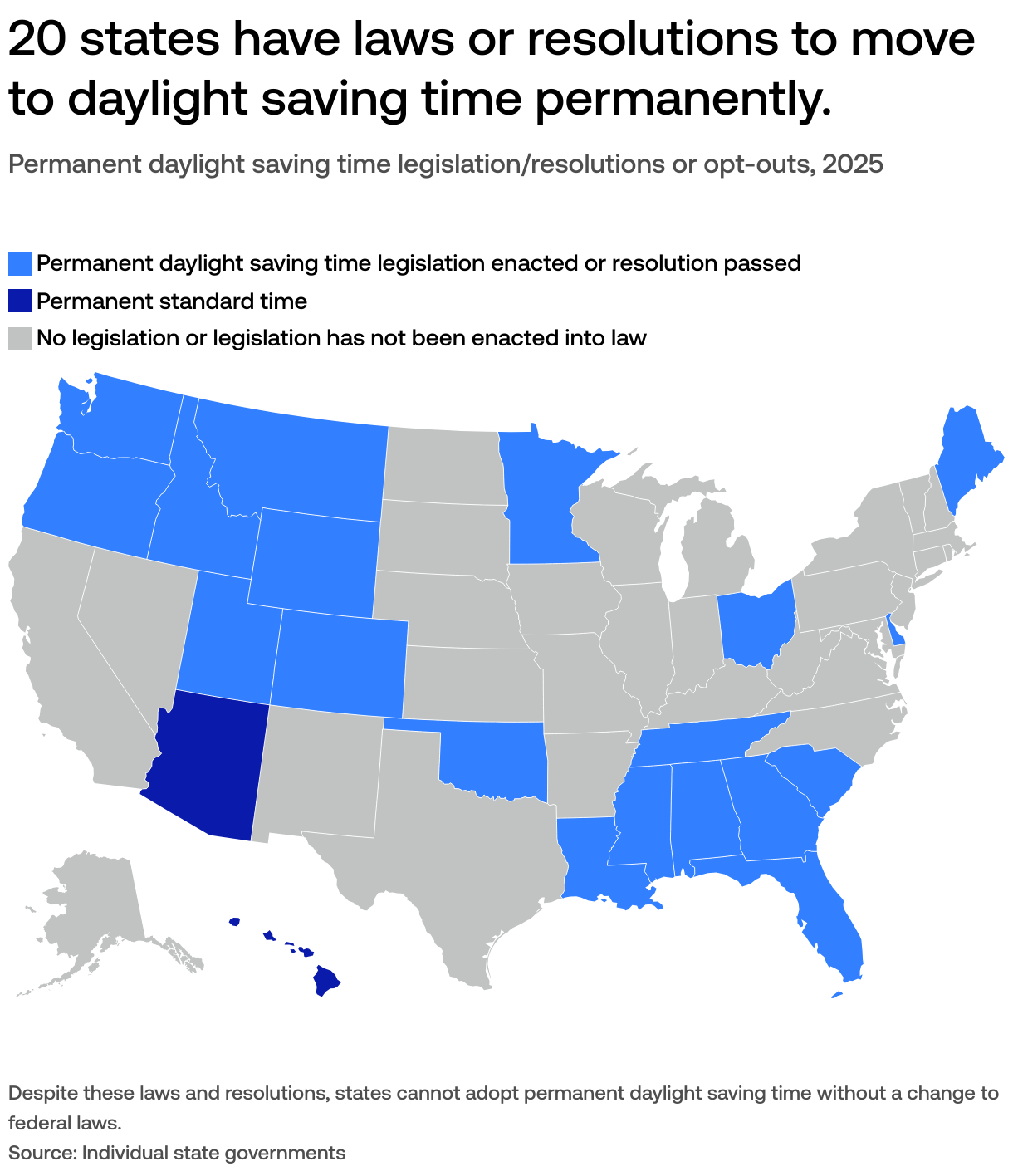
So, if people want to get rid of DST, what do they want instead? Mostly, they want to pick one and stick with it! The debate then shifts to which permanent time zone we should adopt. Should we be on permanent Standard Time, which gives us brighter mornings but earlier sunsets?
Or should we embrace permanent Daylight Saving Time, meaning those lovely long summer evenings would stretch even longer, but winter mornings would be incredibly dark (think sunrise at 9 AM or later in some places)? Each option has its passionate advocates and its valid drawbacks. It's not as simple as just "getting rid of it"; it's about choosing a new normal.
At the end of the day, the push to ditch Daylight Saving Time comes from a place of seeking simplicity, predictability, and a bit more kindness to our collective sleep cycles. It’s a conversation about whether an old tradition still serves us, or if it’s time to let our clocks, and our bodies, finally rest in peace.