
Why Do Hard Wired Smoke Detectors Chirp
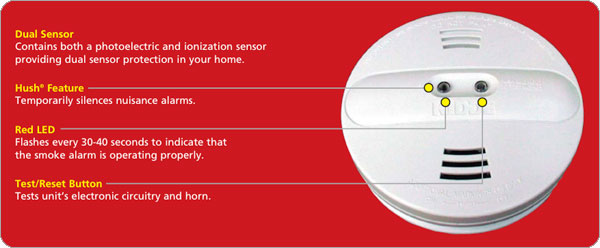
Alright, let's talk about that sound. You know the one. That tiny, insistent, high-pitched chirp that usually decides to make its grand debut at, oh, say, 3 AM? It's the universal signal for "I need attention!" coming from your otherwise silent, hardwired smoke detector. It's like a tiny, electronic mosquito buzzing directly into your brain. Annoying, right?
But here's the thing: while it feels like your smoke alarm is just messing with you, there's usually a very good, and very important, reason behind its vocalizations. It's not trying to be a diva; it's trying to communicate! So, let's decode that chirp, shall we?
Why the Chirp, You Ask? Let's Break It Down!
1. The Classic: Low Battery Alert! This is the absolute grand champion of reasons why your hardwired smoke detector is chirping. "But wait," you might say, "it's hardwired! Doesn't that mean it gets power from the house?" You're totally right! But here's a little secret: even hardwired units have a backup battery.
Must Read
This battery is their emergency supply, their "just in case the power goes out" juice box. And when that battery starts to run low, your detector goes into "warning mode," chirping every 30 to 60 seconds to let you know it needs a snack. It's basically saying, "Hey, buddy, I'm running on fumes here! Feed me a fresh 9-volt before the lights go out!" This is usually the easiest fix, and often the most overlooked.
2. Battery Expiration (Yep, Even Backup Batteries Have a Best Before Date!) Surprise! Batteries don't last forever, even if they're just sitting there, chilling in your smoke detector. Even if they haven't been "used" during a power outage, their chemical components degrade over time.
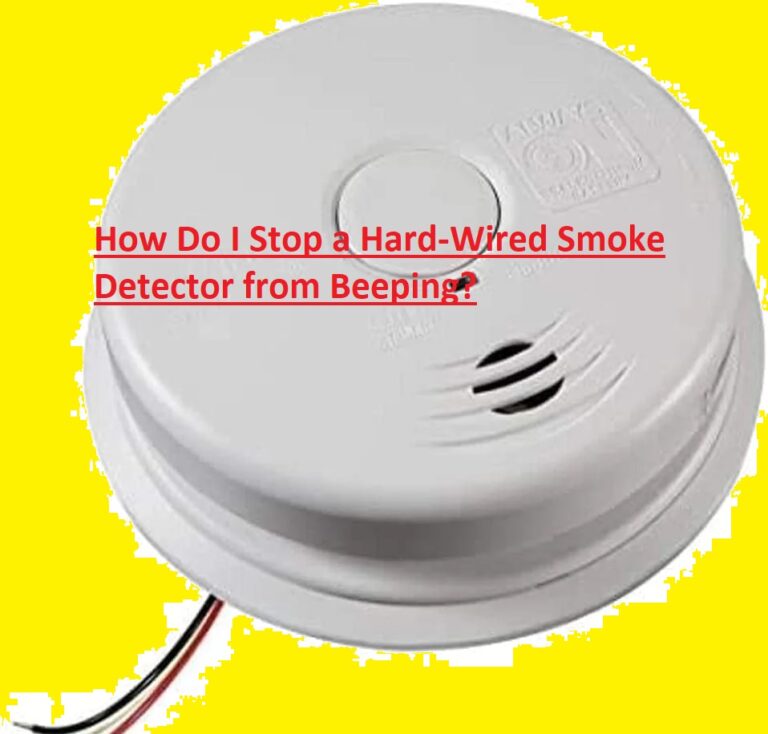
Sometimes, your detector will chirp to tell you that its backup battery has simply expired, even if it's not "low." It's like a polite, electronic memo saying, "My time is up! Please replace me with a newer, sprightlier model." Always a good idea to check the expiry date printed on the battery itself!
3. End-of-Life Alarm: It's Retirement Time! Did you know your smoke detector has a retirement age? It's true! Most smoke detectors have a lifespan of about 8-10 years. After this time, their sensors can become less effective, making them less reliable at detecting smoke.
So, when your trusty protector reaches its golden years, it might start chirping to give you a polite, albeit annoying, heads-up that it's time for a full replacement. It's not just the battery; the whole unit needs to be swapped out. Look for a manufacturing date on the back of the unit. If it's older than your current phone, it's probably time for a new one!
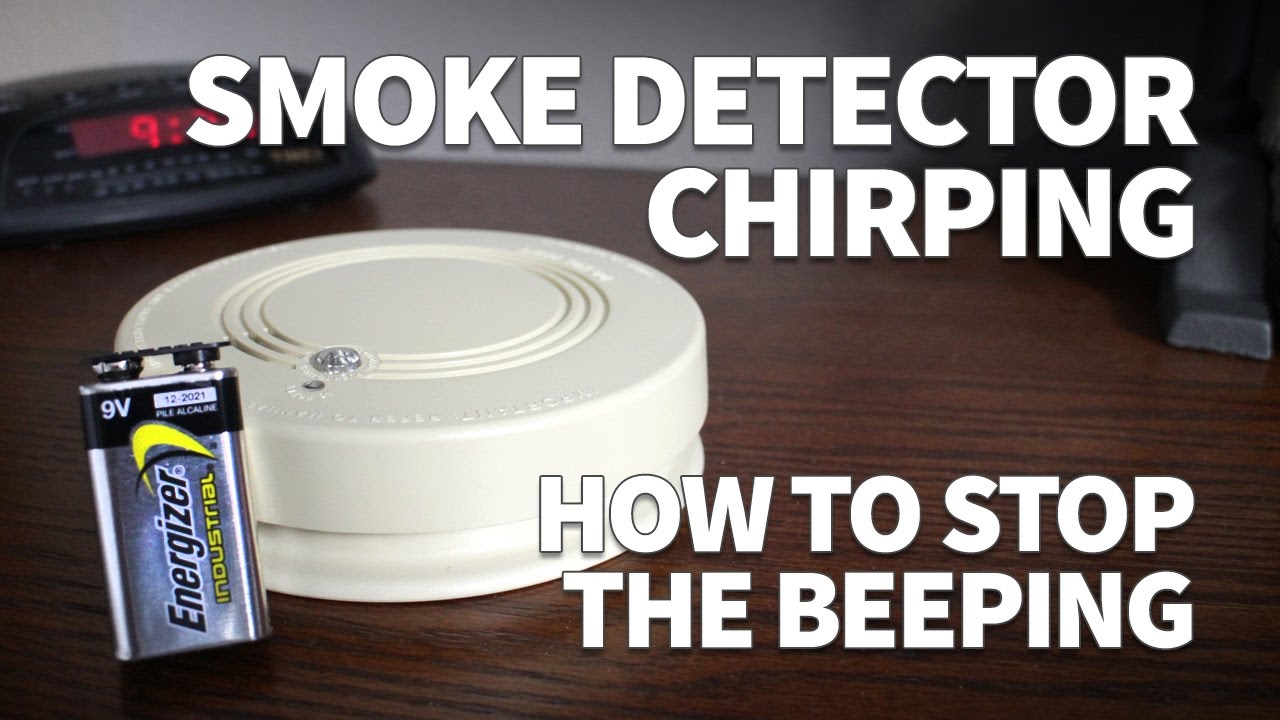
4. Dust Bunnies and Uninvited Guests (a.k.a. Bugs!) Sometimes, your smoke detector gets a little too cozy with uninvited guests. A speck of dust, a tiny spider, or even a confused little fly can settle inside the sensing chamber. These miniature intruders can obstruct the sensor, making it think there's smoke when there isn't.
Think of it as a highly sensitive bouncer who thinks there's trouble when it's just a dust bunny trying to sneak into the VIP section. This usually results in sporadic chirping, or sometimes even false alarms. A quick clean can often sort this out!
5. Power Interruption or Surge Shenanigans Even hardwired units can get a bit disoriented after a power blip, a brownout, or a minor power surge. When the power comes back on, or stabilizes, your smoke detector might chirp a few times to let you know it's resetting, recalibrating, or just generally trying to figure out what just happened.

It's like a tiny, electronic sigh of relief (or confusion) as it reconnects to its main power source. This type of chirp usually resolves itself once the unit has fully reset, but sometimes it might need a little help (more on that in a sec!).
6. Malfunction or Interference (The Grumpy Detector) Occasionally, your detector might just be having a bad day. Like any piece of electronics, it can develop an internal fault, or perhaps something nearby is messing with its signals. If you've tried all the other troubleshooting steps and the chirp persists, your detector might simply be malfunctioning.
Sometimes, certain electrical interference from other devices can also cause it to act up. In these cases, it might be time to call in a professional or consider replacing the unit altogether.

So, What's a Home Hero to Do?
Don't let the chirp win! Here's a quick action plan:
- Change the Battery: Seriously, start here. It's the most common culprit. A fresh 9-volt (or whatever your unit requires) is usually all it takes.
- Clean It Out: Gently vacuum around the unit or use a can of compressed air to clear out any dust or cobwebs. Just be gentle!
- Reset It: For many units, this involves disconnecting it from the ceiling (if you're comfortable and it's safe!), removing the battery, holding down the "test" button for 15-20 seconds to drain any residual charge, and then putting everything back together.
- Check the Age: Find that manufacturing date. If it's 8-10 years old or more, it's time for a replacement.
- If All Else Fails: If the chirp persists after all these steps, or if you're ever unsure, don't hesitate to call a qualified electrician or the manufacturer's helpline. Safety first!
A Final, Uplifting Chirp
While that incessant chirping can drive you absolutely bonkers in the moment, remember this: your hardwired smoke detector isn't trying to annoy you. It's doing its job! It's constantly vigilant, standing guard, and that little chirp is its way of saying, "Hey, something needs my attention, and by extension, yours, so you can stay safe."
Think of that chirp not as a nuisance, but as a tiny guardian angel's persistent whisper, reminding you to check on your home's most vital safety device. By taking action, you're not just silencing a noise; you're ensuring your home and loved ones are protected. And that, my friend, makes you a certified home hero! Go forth and conquer those chirps, knowing you're keeping your haven safe and sound.