
Why Do Fire Alarms Go Off For No Reason

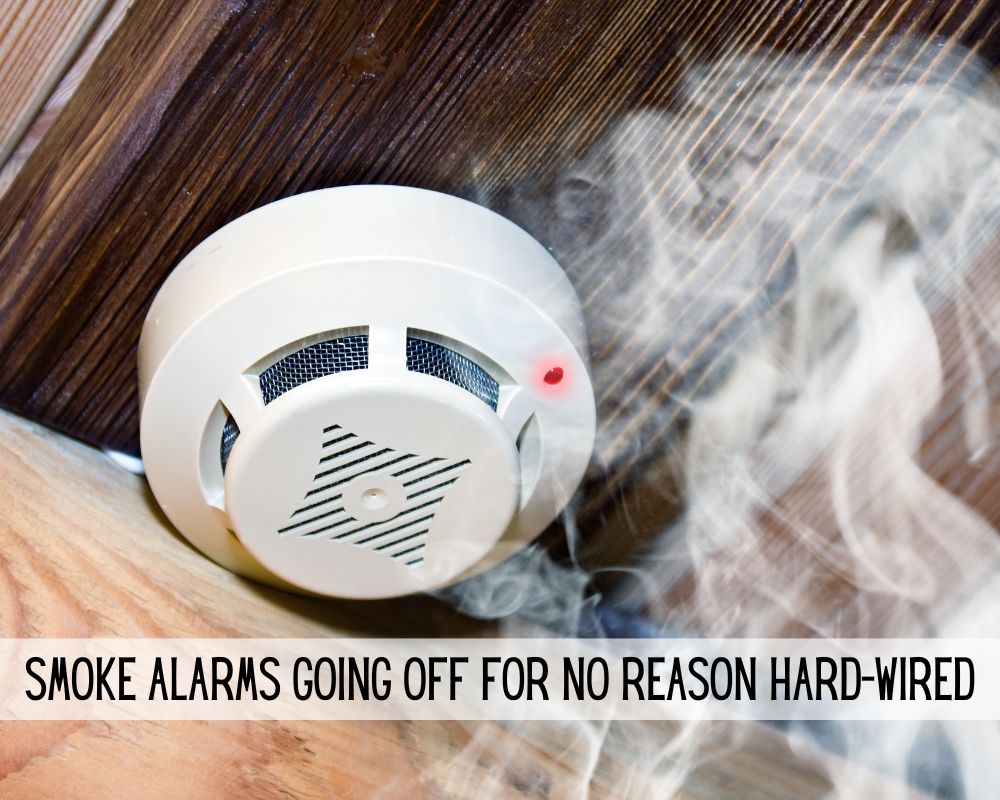
You know the feeling, right? That sudden, ear-splitting shriek that cuts through the quiet of your home. Your heart leaps into your throat, a shot of adrenaline courses through you, and you immediately start sniffing the air. Fire? Disaster? You scan the room frantically, only to find… nothing. Absolutely nothing. It’s just your trusty (or not-so-trusty) fire alarm, belting out its loudest, most urgent song for, well, no apparent reason. Ugh!
It's Not You, It's Them... Kinda
We’ve all been there, standing on a chair, waving a towel like a mad conductor, or frantically fanning the air. It’s a universal experience, really. But what’s the deal? Is your smoke detector just a bit of a drama queen? Or is there a method to its maddening sensitivity? Turns out, it’s a little bit of both, wrapped up in a package designed to save your life.
The core truth is, fire alarms don't actually go off for no reason. They just go off for reasons that aren't always a raging inferno. They're like that overly enthusiastic friend who sees a tiny puff of smoke from a distant BBQ and yells, "FIRE!" Bless their cotton socks, they mean well.
Must Read
Meet the Culprits: Your Detector's Inner Life
Most residential smoke detectors are one of two main types, or sometimes a combination. Knowing this is like peering into their little electronic brains.
First up, the Ionization Smoke Detector. This little genius has two electrically charged plates with a tiny, harmless speck of radioactive material in between. It creates an invisible current of ions. When smoke particles waltz into this chamber, they disrupt the current, and BAM! Alarm bells ring. These guys are super sensitive to tiny, fast-moving particles from flaming fires. But here's the kicker: they're also super sensitive to other tiny, fast-moving particles... like those from your slightly-too-toasty bagel.

Then there's the Photoelectric Smoke Detector. This one uses a beam of light. When smoke enters the chamber, it scatters the light beam, redirecting it into a sensor. Triggered! These are generally better at detecting larger particles from smoldering fires, and are often a bit less prone to false alarms from everyday cooking. But they're not immune!
The Usual Suspects: When 'No Reason' Isn't No Reason
So, what are these non-fire particles that send your alarms into a tizzy? Get ready for a list of everyday antagonists:
Cooking Catastrophes (and Triumphs)
Ah, burnt toast. The undisputed champion of false alarms. That little cloud of carbonized deliciousness is like a five-alarm fire drill to an ionization detector. But it's not just toast. Searing a steak, frying bacon, even just high-heat cooking with a lot of oil can produce enough smoke-like particles to trigger the sensitive sensors. Your pizza oven might be a culinary wizard, but your smoke alarm just sees a potential catastrophe.

Steam: The Invisible Menace
Ever had the alarm go off while taking a hot shower? Or boiling a pot of water for pasta? That thick, warm cloud of steam is a fantastic smoke mimic. Especially if your detector is placed too close to a bathroom or kitchen. The humidity and fine water droplets can play havoc with the sensors, making them think your home is engulfed in a thick, wet fire.
Dust Bunnies and Bug Intruders
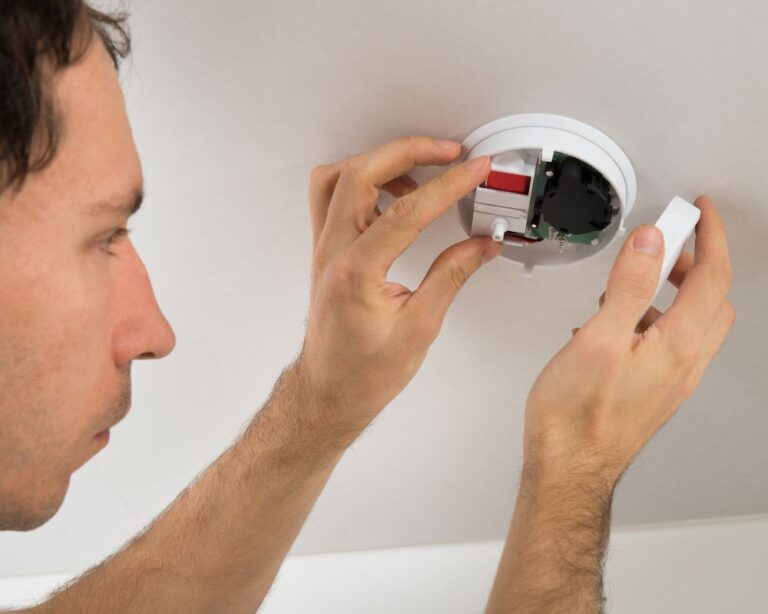
This one's a bit quirky and strangely adorable. Imagine a tiny dust bunny, or even a brave little spider, deciding to explore the nooks and crannies of your smoke detector. If they get caught in the detection chamber, or build a web that interferes with the light beam, guess what? Alarm city! It’s like a tiny bug-sized rave in there, complete with flashing lights and loud music. Regularly cleaning your detectors (a gentle vacuum or compressed air) can help prevent these microscopic mischief-makers from causing a scene.
Aerosols and Chemical Fumes
Hair spray, deodorant, air fresheners, cleaning products, even a fresh coat of paint – many of these release fine particles or chemical vapors that can mimic smoke. If you're spritzing away too close to a detector, you might just be giving it a good scare.
Old Age and Weariness
Like us, smoke detectors get old. After about 8-10 years, the sensors can become less reliable, more prone to false alarms, or worse, fail to detect real fires. They might start chirping randomly, or just decide to scream for no discernible reason. It’s their way of saying, "My time is up! Get a new one!"
Why the Drama, Though?
It might be annoying, absolutely infuriating at 3 AM, but there's a good reason for their extreme sensitivity: better safe than sorry. A real fire can spread incredibly fast. Those extra few seconds gained by a highly sensitive detector, even if it's over a burnt popcorn kernel, could be the difference between a minor incident and a major tragedy. The technology is designed to err on the side of caution, prioritizing your safety above your mild inconvenience.
Think of it this way: your fire alarm is your home's most diligent, albeit slightly overzealous, bodyguard. It’s always on high alert, always scanning, always ready to raise hell at the slightest hint of trouble. And while it might be wrong 99 times out of 100, that one time it’s right? That’s when it truly earns its keep.
So, What's a Human to Do?
First, don't disable them. Ever. Second, consider upgrading to photoelectric detectors, especially near kitchens and bathrooms, or even dual-sensor models. Third, think about placement: keep them at least 10 feet from cooking appliances and away from steamy bathrooms. Finally, a little maintenance goes a long way: clean them regularly, test them monthly, and replace them every decade.
Next time your alarm starts its impromptu concert over a slightly browned muffin, take a deep breath. Mumble a few choice words under your breath, sure. But then remember: it’s just looking out for you, in its own wonderfully dramatic way. It's not "no reason," it's just "a reason you probably don't need to call 911 for."