Why Do Co Detectors Expire
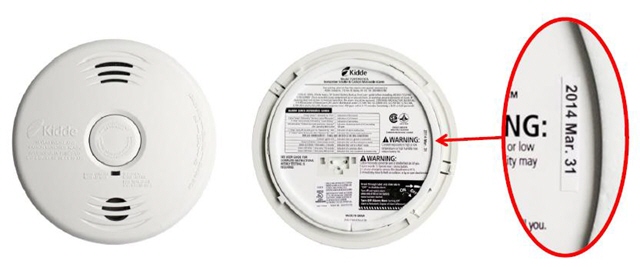
Ever gazed at your smoke detector or carbon monoxide (CO) alarm and noticed a seemingly random date stamped on it? You might think, "It's just sitting there, not doing much, why would it expire?" Well, dear reader, get ready for a fun little dive into the world of home safety because understanding why your CO detector has an expiration date isn't just useful; it's absolutely crucial for keeping your household safe and sound!
First, let's talk about the unsung hero we're discussing: the carbon monoxide detector. Its purpose is simple but profoundly important. Carbon monoxide is often called the "silent killer" because it's a colorless, odorless, and tasteless gas. It can be produced by common household appliances like furnaces, water heaters, gas stoves, and even fireplaces if they're not properly maintained or vented. Inhaling CO prevents your blood from carrying oxygen, leading to symptoms like headaches, dizziness, nausea, and, in severe cases, unconsciousness, brain damage, or death. Your CO detector acts as your home's vigilant guardian, quietly sniffing the air and sounding an alarm if dangerous levels of this invisible threat are present. It provides peace of mind and, more importantly, precious time to evacuate and seek help.
Now, to the million-dollar question: why do these lifesavers have a shelf life? It boils down to their internal components, especially the sensor. Most modern CO detectors use an electrochemical sensor. Think of it like a miniature chemical battery that's constantly working. Inside this sensor, there's a liquid electrolyte and electrodes that react with carbon monoxide molecules. When CO enters the sensor, it creates an electrical current that the detector interprets as a warning signal.
Must Read
Over time, these chemical components naturally degrade. The liquid electrolyte can dry out, or the chemical reaction itself can become less efficient and responsive. It's not a sudden stop; it's a gradual decline in sensitivity and accuracy. Imagine a car tire that slowly loses its tread over thousands of miles – it doesn't just pop, but its performance steadily diminishes until it's no longer safe. The same principle applies here. An expired CO detector might still seem to be "on," but its ability to accurately detect dangerous CO levels could be severely compromised, rendering it essentially useless when you need it most.
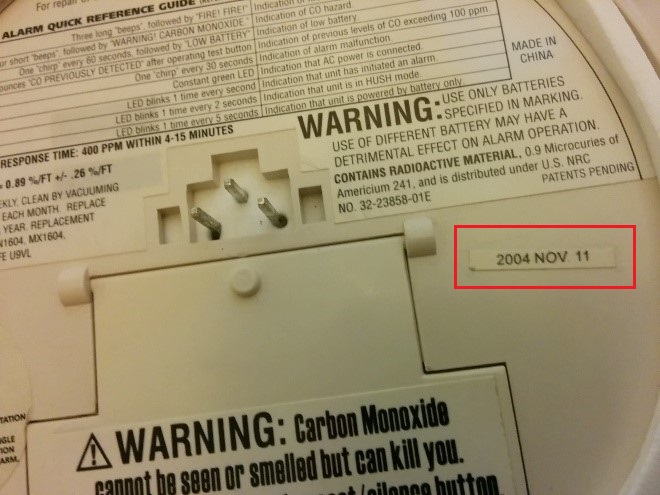
Beyond the sensor, other components also contribute to the expiration date. The circuitry, the plastic housing, and even the battery contacts can wear down, collect dust, or be affected by environmental factors like humidity and temperature fluctuations. Manufacturers rigorously test their devices and assign an expiration date (typically 5 to 7 years, though some models last 10) based on how long they can reliably guarantee the device's accuracy and functionality. It’s not a marketing gimmick; it’s a safety assurance.
So, next time you spot that date, remember it's a friendly reminder that even the most vital guardians need a timely replacement. Checking and replacing your CO detector according to its expiration date is one of the simplest yet most effective steps you can take to keep your home and loved ones safe from the invisible danger of carbon monoxide. Don't let your silent guardian become silently ineffective!
.webp)