
Why Are There Six Zones In The Zone Control System
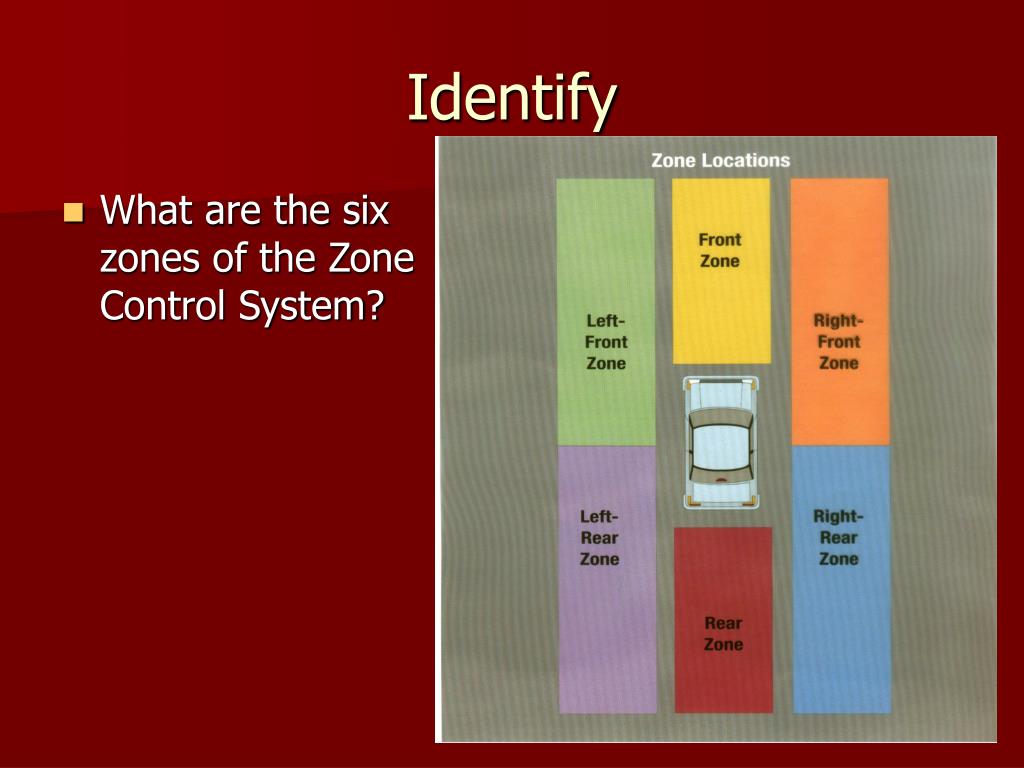
Picture this: You’re at your favorite café, latte in hand, chatting with a friend who’s just installed a fancy new HVAC system. They’re beaming, explaining how it’s got “zone control.” You nod, pretending to understand, then they hit you with the kicker: “And apparently, it’s all about these six zones!”
Suddenly, your latte tastes like existential dread. Six zones? Why six? Not two, like upstairs/downstairs? Not fifty, like a beehive of individual climate bubbles? Six? It sounds like a secret society, or perhaps a particularly intricate board game. Well, pull up a digital chair, because we’re about to spill the beans (and the secrets) on why this magical number six often pops up in the whimsical world of zone control.
What Even Is Zone Control, Anyway?
First, let’s demystify the beast. Zone control isn’t some alien technology; it’s just a smarter way to heat and cool your space. Instead of one giant thermostat trying to please everyone (and failing miserably, usually resulting in a full-blown family argument over who’s “cooking” and who’s “freezing”), zone control divides your building into—you guessed it—zones. Each zone gets its own thermostat, its own climate destiny. Think of it as giving every major area its own tiny weather system, without the mini-hurricanes.
Must Read
The main goals? Comfort and cash. Nobody wants to be bundled in a parka in the living room while the bedroom upstairs is practically a sauna. And nobody wants to pay to heat an empty guest room like it’s hosting a polar bear convention. Zone control solves these problems, but the question remains: why does the universe (or at least, the HVAC universe) often settle on the mystical number six?
The Great Unveiling: Why Six, You Ask?
Alright, lean in. While there’s no ancient prophecy demanding exactly six zones, this number often represents a practical, human-centric way of thinking about building divisions. It’s a Goldilocks number – not too few, not too many – for addressing the diverse needs within a typical larger home or small commercial space. Let’s dive into these often-unspoken, frequently humorous reasons for the six:

1. The Sleeping Sanctuary Zone (aka The Hibernation Haven)
This is where the magic (or snoring) happens. Bedrooms. You want them cool for sleeping, but not so cold you wake up with icicles on your eyelashes. And guess what? Not everyone agrees on the perfect sleep temperature. One person needs it like an arctic tundra, another like a tropical beach. This zone separates the delicate ecosystems of sleep.
2. The Daytime Dynamo Zone (aka The Activity Arena)
Your living room, kitchen, dining area—this is where life’s hustle and bustle (and Netflix binges) occur. It’s often warmer from cooking, body heat, or that monstrous 75-inch TV. It also likely has different sun exposure than the bedrooms. Trying to keep this zone comfy with the same settings as the sleep zone is like trying to give a cat a bath: doomed to fail.
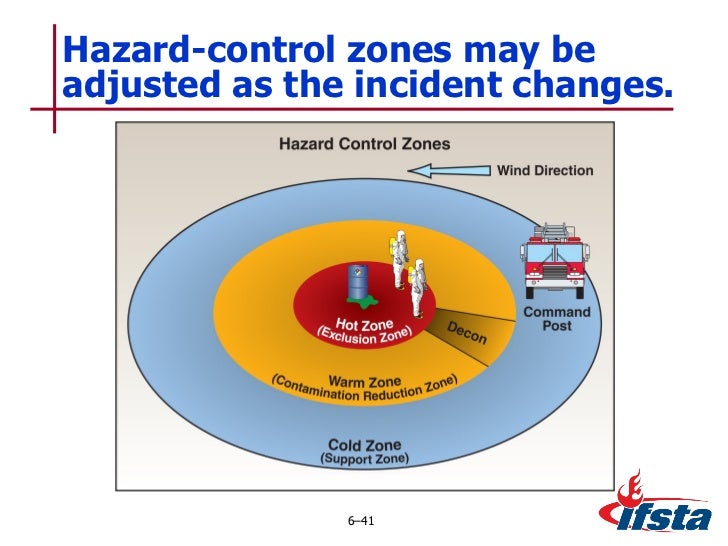
3. The Home Office Hot/Cold Spot Zone (aka The Productivity Pit)
Welcome to the era of remote work! Your home office (or den, or that little nook under the stairs) is a microclimate unto itself. Computers radiate heat, monitors hum, and you might be sitting still for hours, making you feel colder or warmer than everyone else. This zone is crucial for preventing mid-afternoon productivity slumps caused by thermal discomfort. It’s also often where the serious coffee consumption happens, which can also affect perceived temperature. (Trust me, I’m a professional.)
4. The Guest Getaway Zone (aka The Seldom-Used Space)
The spare bedroom, the formal dining room, the "good" parlor your grandma insists on keeping untouched. These rooms are often empty, collecting dust bunnies and judgment. Why blast them with climate control 24/7? This zone lets you dial down the temperature (or humidity) when guests aren't around, saving you a small fortune and proving you're fiscally responsible, not just forgetful.
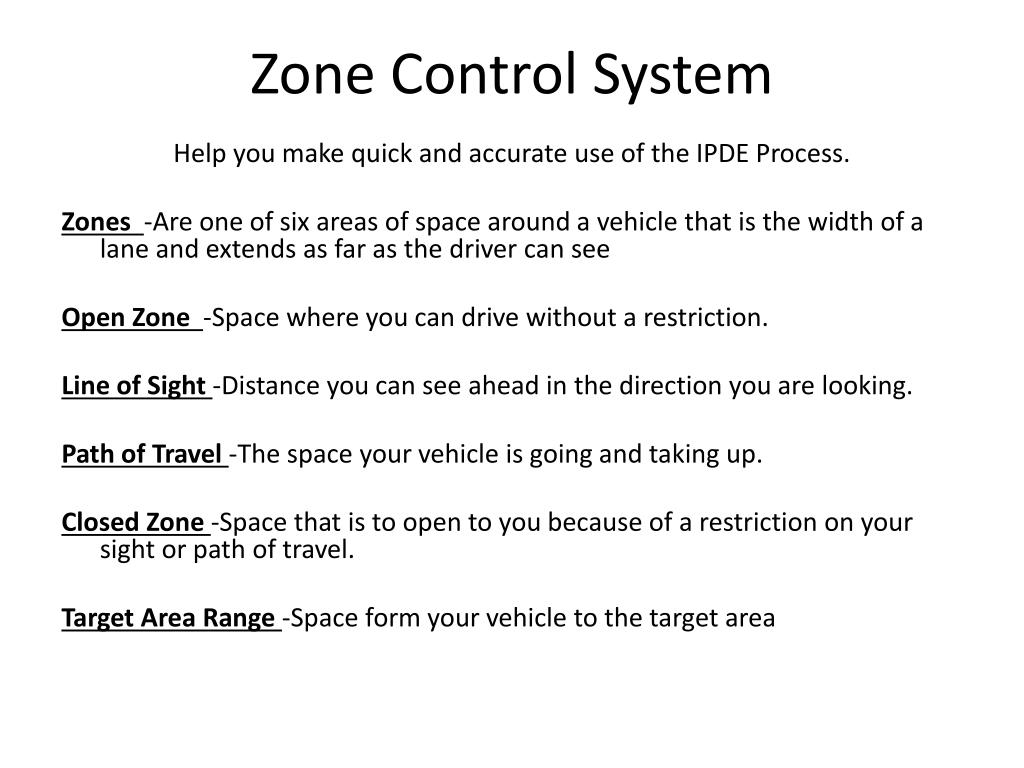
5. The Sun Trap / Shadow Den Zone (aka The Solar Rollercoaster)
Ever notice how some rooms are bathed in glorious, sweltering sunshine all day, while others are perpetually shrouded in cool, comforting shade? Building orientation and windows create wildly different thermal loads. Without a dedicated zone, your sunroom would be a sweat lodge, and your north-facing library a walk-in freezer. This zone tackles the sun’s unpredictable moods.
6. The "Something Else Entirely" Zone (aka The Wild Card Ward)
This is the catch-all. The finished basement that doubles as a game room. The attic conversion that becomes a teenage lair. The utility room that gets surprisingly toasty. Or maybe it’s just that one room where someone always leaves a window cracked open. This zone acknowledges that every building has its quirks, its anomalies, its delightful little mysteries that defy standard climate logic.
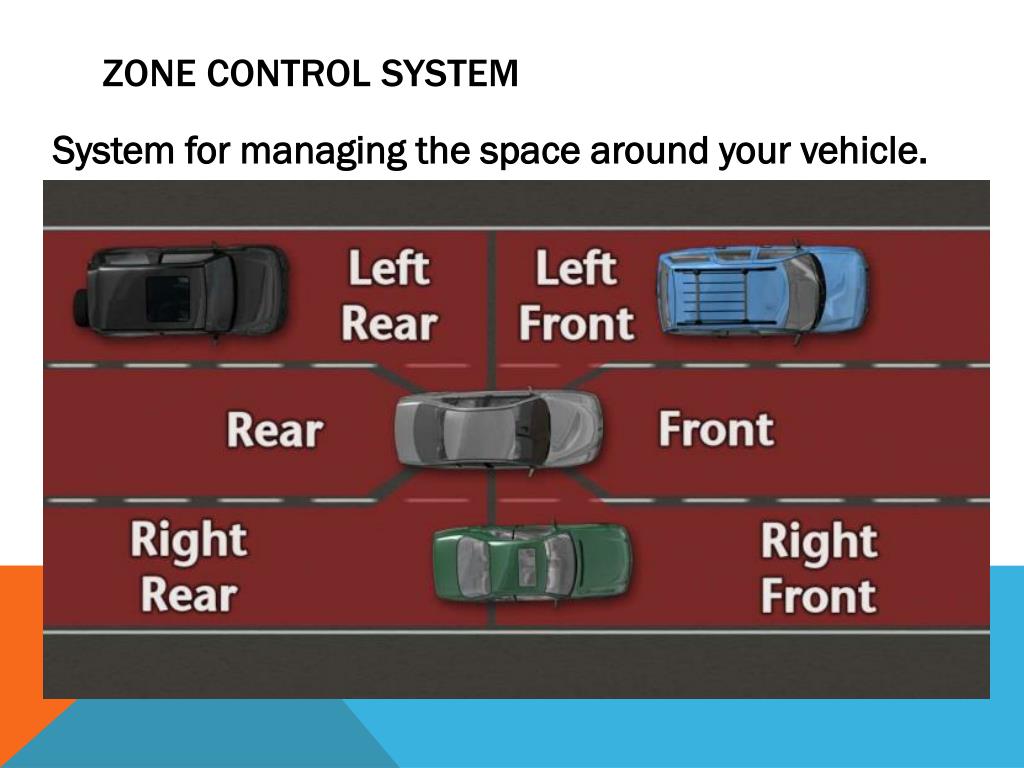
The Grand Payoff: Why These Six (or however many) Zones Matter
So, while your home might not literally have six thermostats each controlling one of these specific scenarios, these six archetypes represent the types of diverse thermal needs that a well-designed zone control system aims to address. It’s about recognizing that a building isn’t a monolithic block of uniform temperature desires.
The result? Happier occupants, lower energy bills, and fewer arguments over the thermostat. You can sleep soundly, work comfortably, and entertain guests without breaking the bank or a sweat (unless you're on the treadmill in the "Something Else Entirely" zone). It’s a testament to the fact that sometimes, complexity isn't a bug, but a beautiful feature designed to make our lives a little more comfortable, one zone at a time.
So next time your friend brings up zone control, you can casually sip your latte, nod knowingly, and perhaps even enlighten them on the secret psychological, architectural, and slightly silly reasons why six zones might just be the perfect number. You'll sound like an HVAC guru, and all it cost you was a few minutes of delightful reading!