Who Do You Call For Carbon Monoxide Alarm

In our modern homes, we've filled our lives with gadgets and smart devices designed to make things easier, more entertaining, or simply more comfortable. But among all the innovations, some of the most critical, yet often overlooked, are the silent guardians working tirelessly in the background. We're talking about the unsung heroes of home safety: carbon monoxide alarms.
While you might not host a workshop on "creative alarm placement" or join a club dedicated to advanced sensor calibration, embracing the wisdom of these crucial devices offers a profound and truly inspiring benefit: unwavering peace of mind. It’s not about the thrill of creation, but the deep satisfaction of knowing you've taken a vital step to protect your loved ones from the "silent killer." For every homeowner, every parent, every individual living independently, understanding and utilizing CO alarms is an act of profound self-care and responsibility.
The benefits of a properly installed and maintained carbon monoxide alarm system are immeasurable. It's not a hobby for artists, but a life-saving strategy for everyone. For the casual learner, it’s an easy win in home safety. These devices continuously monitor for the presence of carbon monoxide (CO), a colorless, odorless, and tasteless gas produced by burning fuels – an invisible threat that can quickly become fatal. Having an alarm isn't just a recommendation; it's a critical layer of defense that buys you precious time to react.
Must Read
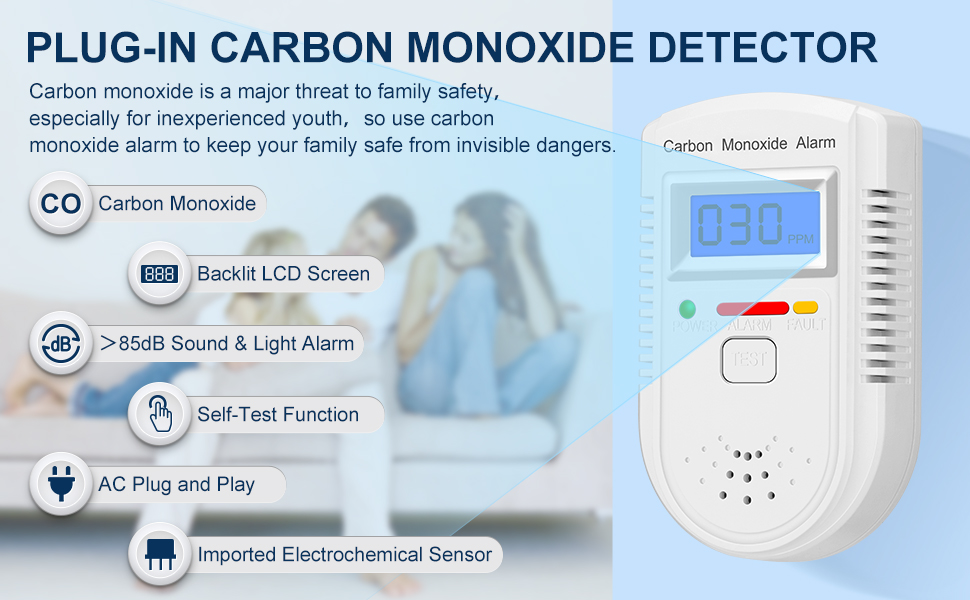
When considering CO alarms, you'll find various styles and setups. There are battery-operated models for easy installation, plug-in units, and even hardwired alarms that integrate with your home's electrical system, sometimes even combining with smoke detectors for an all-in-one solution. Smart home enthusiasts might opt for models that connect to Wi-Fi, sending alerts to your phone if CO is detected, even when you're away. The key, regardless of style, is proper placement: ideally, one on every level of your home, especially near sleeping areas. This ensures comprehensive coverage, giving you and your family the best possible protection.
Ready to embrace this essential aspect of home safety? Here are some tips for making it a priority at home: First, if you don't have CO alarms, install them today! It’s a simple, affordable step. Second, test your alarms monthly by pressing the 'test' button – it only takes a second. Third, replace batteries annually (or follow manufacturer guidelines) and replace the entire unit every 5-7 years, as sensors can degrade over time. Most importantly, know what to do if an alarm sounds.

So, who do you call when your carbon monoxide alarm goes off? This is the absolute most critical piece of information. If your alarm sounds, treat it as an emergency:
- Evacuate everyone immediately to fresh air outdoors.
- Once everyone is safely outside, call 911 or your local emergency services (e.g., fire department). Do not re-enter your home until emergency responders have declared it safe.
- They will investigate the source of the CO and advise on next steps.
Ultimately, the enjoyment derived from carbon monoxide alarms comes from a profound sense of security. It's the joy of knowing you've taken proactive steps, the satisfaction of being prepared, and the unparalleled peace of mind that comes with protecting those you love most. It’s an investment in safety that pays dividends in every single breath. There's nothing more inspiring than knowing your home is a truly safe haven.