
Who Decides What Problems Should Be Addressed Through Fiscal Policy
Okay, so you're wondering who's calling the shots when it comes to using fiscal policy to fix things, right? Like, who's the big boss deciding if we need to spend more money or, gulp, raise taxes? Well, grab your coffee (or tea, no judgment!) because it's not quite as simple as one person sitting in a swivel chair.
Basically, it's a team effort. Think of it as a slightly chaotic, sometimes-arguments-break-out, but ultimately (hopefully!) well-intentioned group project.
The main players are: the Legislative Branch (that's Congress – the House and the Senate) and the Executive Branch (hello, President!).
Must Read
Let's break it down, shall we?
Congress: The Power of the Purse (and Debate!)
Congress, my friend, is where the real power lies. You see, the Constitution gives them the authority to tax and spend. Pretty important stuff, huh?
:max_bytes(150000):strip_icc()/expansionary_policy-FINAL-a00b207b3c604a3b8303abe44ca571ae.png)
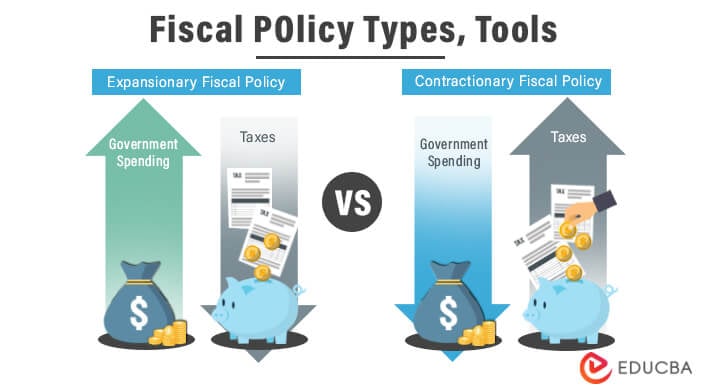
So, if there's a problem – say, unemployment is sky-high – Congress can propose things like tax cuts (to encourage spending!) or increased government spending on, say, infrastructure projects (think roads and bridges – and jobs!).
But here's the kicker: they have to agree. Which, as you might imagine, can be… challenging. Especially when you have different parties with different ideas about, well, everything. Cue the political debates, passionate speeches, and maybe even a little bit of yelling. (Okay, maybe more than a little.)
Think of it like trying to order pizza with a group of friends. Everyone has their own topping preferences, and suddenly you're debating pineapple vs. no-pineapple until 3 AM. Fiscal policy can be just as… contentious.

The President: The Proposal Master (and the Veto Power!)
Now, the President isn't just sitting pretty in the Oval Office. They play a huge role too! The President proposes the federal budget to Congress. This is like their grand vision for how the government should spend its money.
Think of it as the President saying, "Hey Congress, here's my grocery list for the nation! What do you think?"
But Congress gets to pick and choose what they want to buy off that list (within reason, of course). They can approve the President's budget, modify it, or even reject it altogether! Talk about power dynamics!

And even if Congress passes a bill, the President can still veto it. That's like saying, "Nope, I don't like this pizza order. Let's start over." Congress can override a veto, but that takes a supermajority (a lot of agreement!).
Economists and Advisors: The Brain Trust (Maybe?)
Of course, neither Congress nor the President are just winging it (hopefully!). They rely on the advice of economists, advisors, and government agencies (like the Congressional Budget Office) to understand the economic situation and figure out the best course of action.
These folks crunch the numbers, analyze trends, and try to predict the future (which, let's be honest, is never an exact science!). They provide the data and analysis that policymakers use to make their decisions.
But ultimately, the decisions are political. Even the best economic advice can be ignored if it clashes with a particular political agenda. Sigh. Such is life.
So, Who Really Decides?
In the end, it’s a complex dance between the President and Congress. It's a negotiation, a compromise, and sometimes, a good old-fashioned political brawl. They all play a part in deciding what problems get addressed through fiscal policy.
And remember, you also have a voice! By voting for your representatives, you're indirectly influencing these decisions. So stay informed, get involved, and make your voice heard! After all, it's your tax dollars they're spending (or not spending!). Now, how about another cup of coffee?