
Which Way Should Ceiling Fans Turn In Summer

Let's talk ceiling fans. We all love them, right? Especially when summer turns your house into a swamp.
The Great Ceiling Fan Debate: Summer Edition
The age-old question arises: Which way should these magnificent machines spin during those sweltering months? Clockwise? Counter-clockwise?
Everyone thinks they know the answer. Prepare to be amazed (or maybe just mildly amused).
Must Read
The "Official" Answer (Boring!)
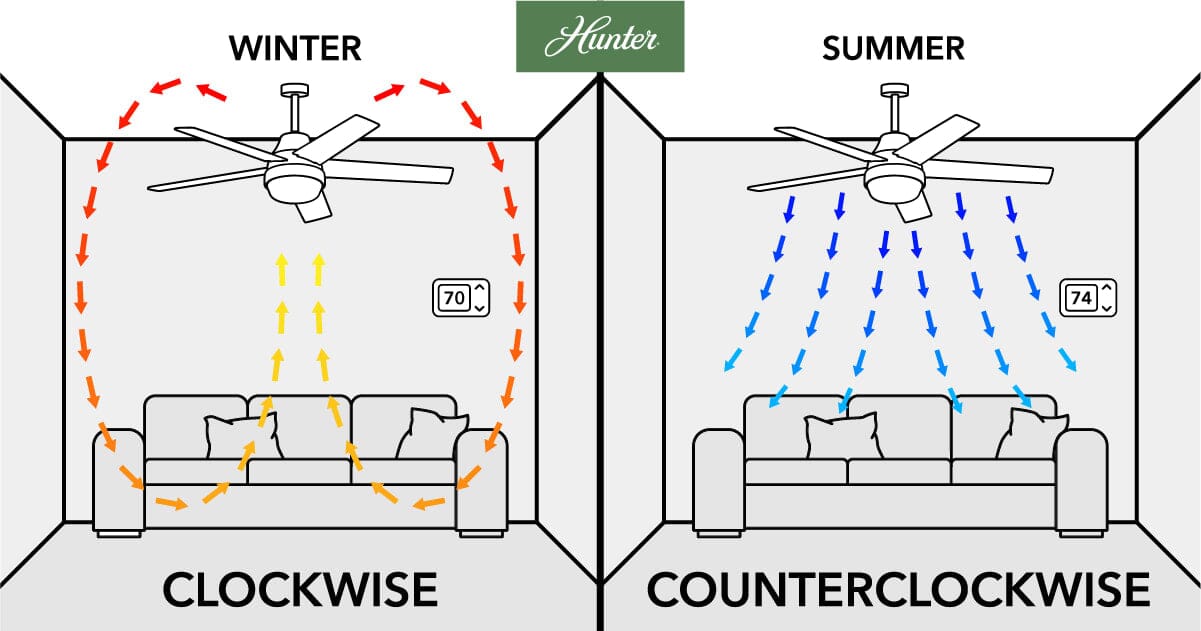
Most sources tell you to run your fan counter-clockwise in summer. Supposedly, this creates a "downdraft." It’s all about pushing air straight down. You're supposed to feel cooler.
Okay, fine. But here's my controversial opinion.
My "Unpopular" Opinion: Clockwise is Cool-wise!
Hear me out. I like my ceiling fan to spin clockwise during the summer. Yes, I said it.
I know, I know. Everyone says I’m wrong. But let me explain my totally scientific (not really) reasoning.
Maybe it’s psychological. Maybe I'm a rebel. Or maybe… just maybe… clockwise is actually better.
The "Gentle Breeze" Theory
Counter-clockwise often feels like a wind tunnel aimed directly at your head. It can be intense!
Clockwise, on the other hand, feels gentler. More of a subtle caress than a forceful gust.
Think of it like this: a gentle breeze on a hot day is refreshing. A hurricane? Not so much.
The Dust Factor (A Real Concern)
Let's be real. Ceiling fans are dust magnets. When you switch directions, all that accumulated grime becomes airborne. Gross!
With clockwise rotation, at least the dust tends to stay mostly out of my direct line of sight. Out of sight, out of mind, right?

Maybe this is just my way of rationalizing my laziness when it comes to cleaning fan blades. Don't judge!
The Sound of Silence (Almost)
I swear, my fan makes less noise when it spins clockwise. I haven’t done any decibel testing (mostly because I don't own anything to measure decibels). But my ears tell me so.
Perhaps it's the angle of the blades or some other physics-y thing I don't understand. All I know is it's quieter.
And a quieter fan means a more peaceful summer afternoon nap.
The "It Just Feels Right" Argument
Sometimes, you just have to go with your gut. And my gut tells me clockwise is the way to go. For me, at least.
Maybe it’s the layout of my room. Maybe it’s my personal preference for a less-intense airflow. Who knows?
The point is, comfort is subjective. Don't let anyone tell you how to live your best ceiling fan life!
Experiment and Decide for Yourself
The best way to settle this debate? Try both directions! See what feels better in your specific space.
Give each direction a fair chance. Spend a few days with counter-clockwise. Then switch to clockwise.
Pay attention to the airflow, the noise level, and how you generally feel in the room. It’s all about your comfort!

What About Energy Efficiency?
Okay, okay, I know. The "official" answer about counter-clockwise is also supposed to be more energy efficient. It's all about that downdraft, remember?
And I'm not saying that's wrong. I'm just saying... I prioritize comfort.
Plus, I figure the difference in energy consumption is probably negligible. Especially compared to, say, running the AC all day.
Consider Your Ceiling Height
If you have super-high ceilings, maybe that strong counter-clockwise downdraft is essential. It might be the only way to feel any breeze at all down on the ground.
But if you have standard or low ceilings, clockwise might be more pleasant. It's less likely to feel like you're standing in a wind tunnel.
Just something to think about. Ceiling height matters!
The Furniture Placement Factor
Think about where your furniture is located. Is your couch directly under the fan?
A strong downdraft from a counter-clockwise fan might be too intense if you're sitting right underneath it. You might end up feeling cold and uncomfortable.
Clockwise might distribute the air more evenly in that situation. It’s all about creating a comfortable and usable space.
Don't Forget About Winter Mode!
Of course, when winter rolls around, the script flips (sort of). Then, you should switch your fan to clockwise (usually). At a low speed.
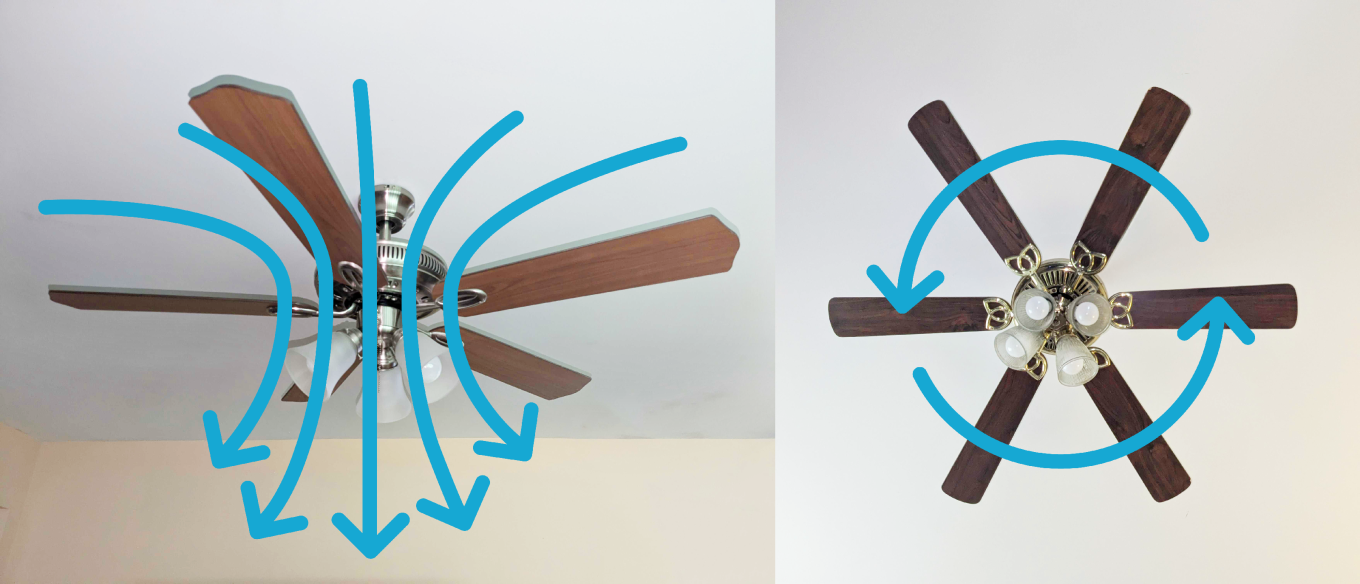
The goal is to gently circulate warm air that rises to the ceiling back down to the floor. It's about maximizing heat distribution.
But we'll save that discussion for another day. Right now, we're all about summer coolness!
My Final Verdict (For Now)
So, which way should your ceiling fan turn in summer? The answer, as always, is: It depends!
But if you're feeling adventurous, give clockwise a try. You might be surprised at how much you like it.
And if you disagree with me? That's okay! We can still be friends. Just don't judge my ceiling fan choices too harshly.
Embrace the Ceiling Fan Remote
Let's be honest, who actually gets up to change the fan direction manually? That's what remotes are for!
If your fan has a remote, you're already winning at life. You can switch directions with the touch of a button. Pure bliss.
If you don't have a remote, consider investing in one. Your future self will thank you.
A Plea for Ceiling Fan Harmony
Ultimately, the goal is to create a comfortable and enjoyable living space. A space where you can relax and escape the summer heat.
Whether you achieve that with clockwise or counter-clockwise rotation is up to you. There's no right or wrong answer.
Just remember to keep your fan clean, your blades balanced, and your mind open to the possibilities. And maybe, just maybe, give clockwise a try this summer. You might become a convert!
Don't Forget Proper Installation
Make sure your fan is installed properly. A wobbly fan is a safety hazard and a source of annoying noise.
If you're not comfortable installing it yourself, hire a professional. It's worth the peace of mind.
A properly installed fan will run more efficiently and last longer.
The Importance of a Good Quality Fan
Investing in a good quality ceiling fan is worth it in the long run. Cheaper fans often have noisy motors and unbalanced blades.
A good fan will run quietly, efficiently, and last for years. Look for fans with energy-efficient motors and durable construction.
Do your research before you buy. Read reviews and compare different models.
Final Thoughts: It's Your Fan, Your Rules
At the end of the day, it's your ceiling fan, and you get to decide which way it turns. Don't let anyone tell you otherwise.
Experiment, have fun, and find what works best for you and your home.
Happy spinning!