Which Way Should A Fan Turn To Cool The Room
:max_bytes(150000):strip_icc()/ceiling-fan-rotate-direction-1907533-v4-5ba94e6346e0fb002576cebf.png)
Let's be honest, who hasn't stared blankly at their ceiling fan, remote in hand, wondering if they're actually making things cooler or just contributing to the global breeze problem? It's a common conundrum, especially when summer heat hits or those heating bills skyrocket in winter. Figuring out which way your fan should turn isn't just about comfort; it's about energy efficiency and saving a few bucks. So, let's demystify this spinning secret!
The core purpose of adjusting your fan's direction is to either create a cooling breeze (in summer) or help distribute warm air more evenly (in winter). In the summer, we want that sweet, sweet relief from the heat, and in the winter, we're all about keeping those heating costs down by preventing warm air from getting trapped near the ceiling. It's all about leveraging the power of air circulation.
So, which way is the right way? Let's break it down:
Must Read
Summer Mode (Cooling Breeze): Counter-Clockwise is King!
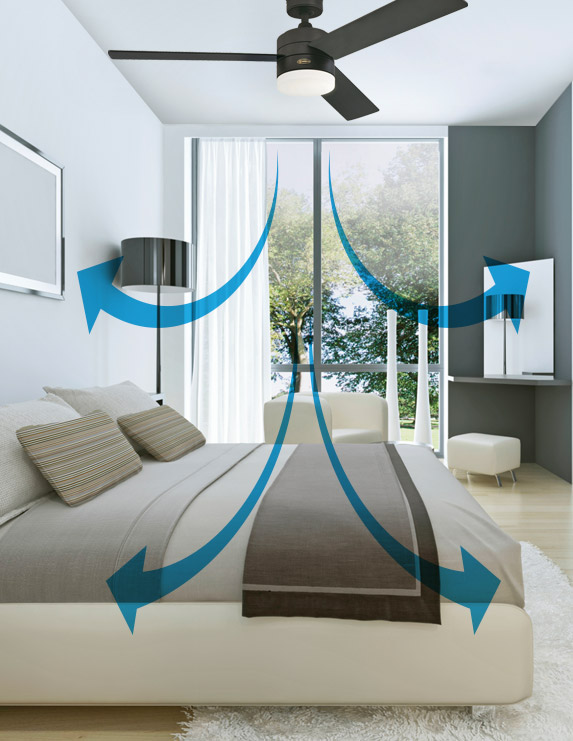
During the warmer months, your fan should be spinning counter-clockwise when you look up at it. This creates a downdraft, pushing air straight down and creating that refreshing breeze we all crave. The moving air evaporates sweat from your skin, making you feel cooler. It's a simple but effective way to beat the heat without cranking up the AC and bankrupting yourself. Think of it as a personal, localized weather system focused entirely on your comfort. Remember: Counter-clockwise for cooling!

Winter Mode (Warm Air Distribution): Clockwise is the Charm!
Now, when the temperatures drop, you want your fan to rotate clockwise at a low speed. This creates an updraft, gently pulling the cooler air up and forcing the warmer air near the ceiling to circulate back down along the walls. The goal isn't to feel a breeze, but to redistribute the warm air that naturally rises, helping to even out the temperature in the room. This subtle movement can make a significant difference in your heating bill, as your furnace doesn't have to work as hard to keep the lower part of the room warm. So, clockwise for warmth and a happier wallet!
A Few Extra Tips:
- Don't be afraid to experiment: Every room is different, so try both directions and see what feels best.
- Consider the fan's speed: Adjust the speed based on the season. Higher speeds are generally better for cooling, while lower speeds are preferable for winter air distribution.
- Clean your fan blades: Dust accumulation can affect the fan's performance and efficiency. A clean fan is a happy fan!
In conclusion, understanding which way your fan should turn is a simple yet powerful way to improve your comfort and save money. So, take control of your climate, adjust that fan direction, and enjoy the benefits of efficient air circulation year-round. Now go forth and conquer that ceiling fan remote! You've got this!