Which Way Should A Ceiling Fan Turn For Summer

Let's face it, the ceiling fan. It's not exactly the sexiest appliance in your home, is it? But it's a quiet hero, a champion of comfort, and when the summer heat hits, it becomes your best friend. But are you really best friends? Are you maximizing your fan's potential? Because let’s be honest, most of us just flip the switch and hope for the best. But there's a secret to unlock: knowing which way that beautiful, whirling dervish should turn.
For artists and hobbyists, thinking about airflow might seem…unnecessary. But hear me out! Imagine you're working with paints, glues, or even just trying to keep dust off your delicate miniatures. The right fan direction can be a game-changer. A gentle downdraft in the summer keeps the air circulating, helping those acrylics dry faster and preventing fumes from lingering. A soft updraft in winter can help distribute heat more evenly, keeping your creative space cozy and inspiring. It’s about creating a comfortable and productive environment, allowing you to focus on your craft instead of battling stale air or excessive heat.
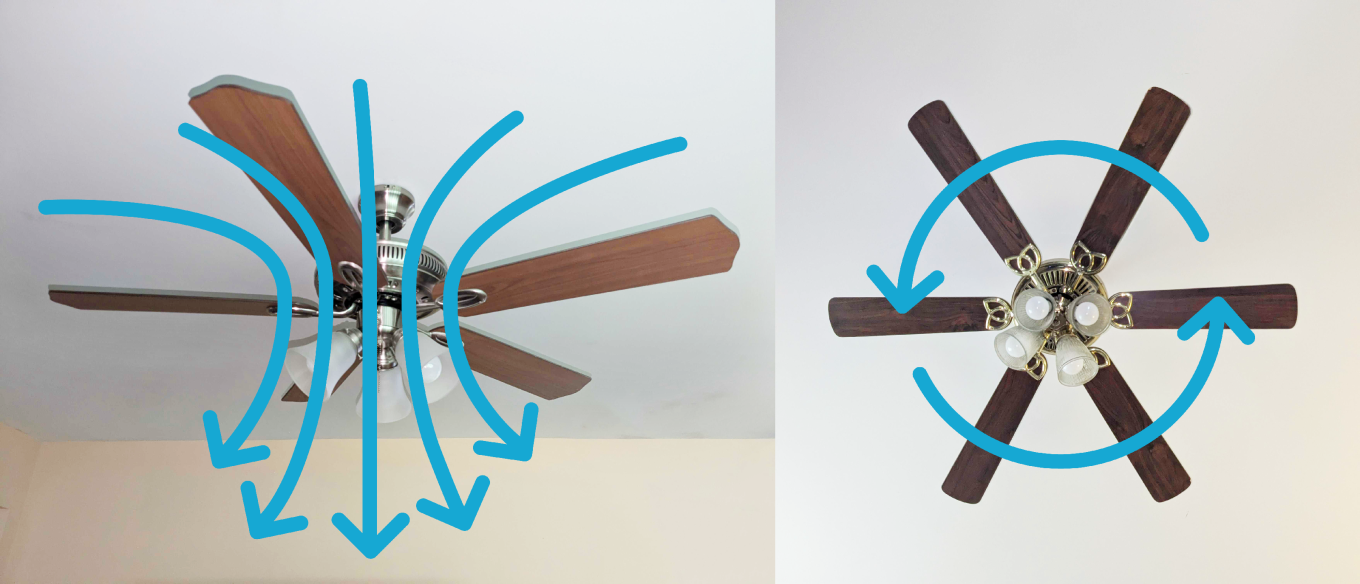
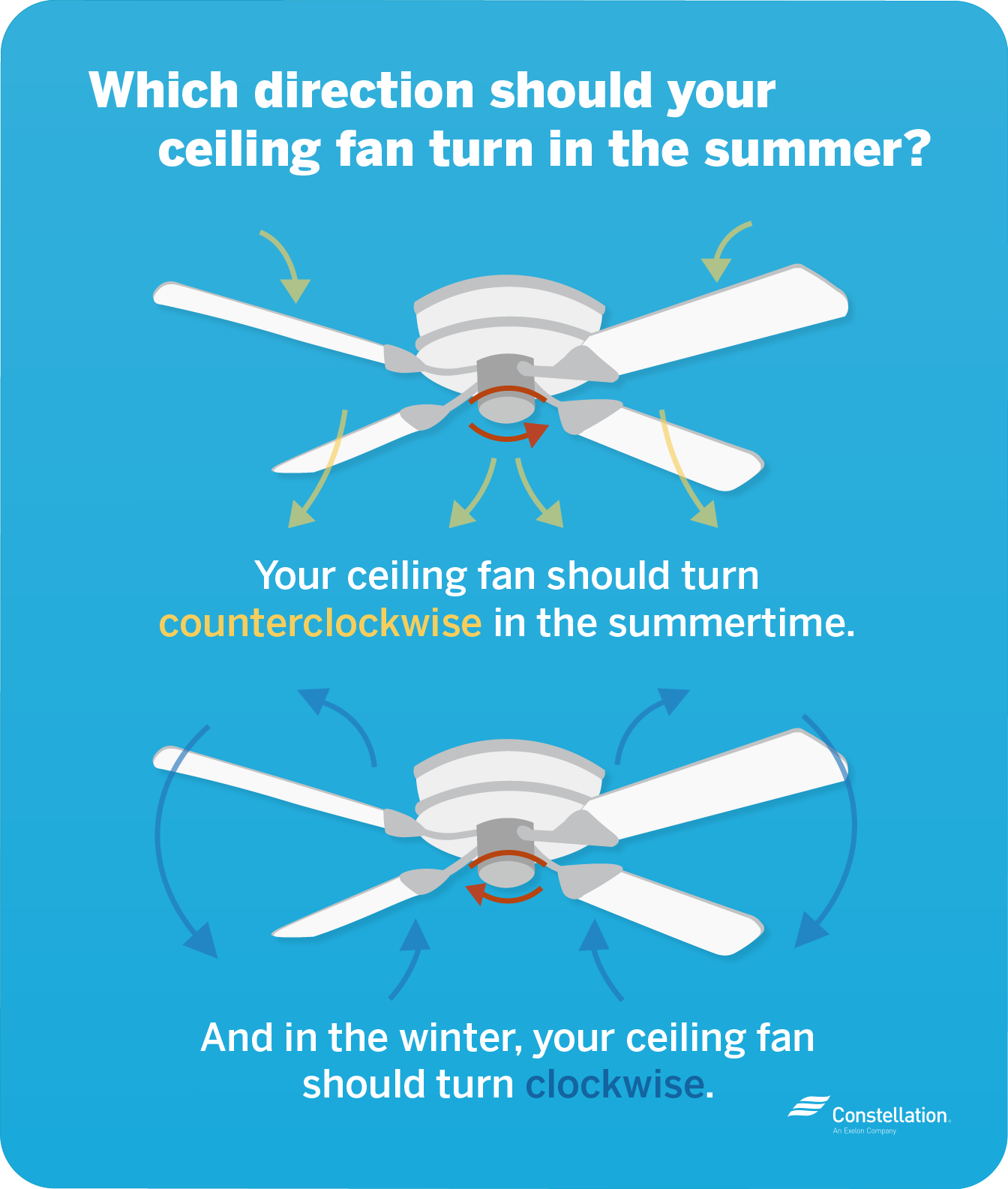
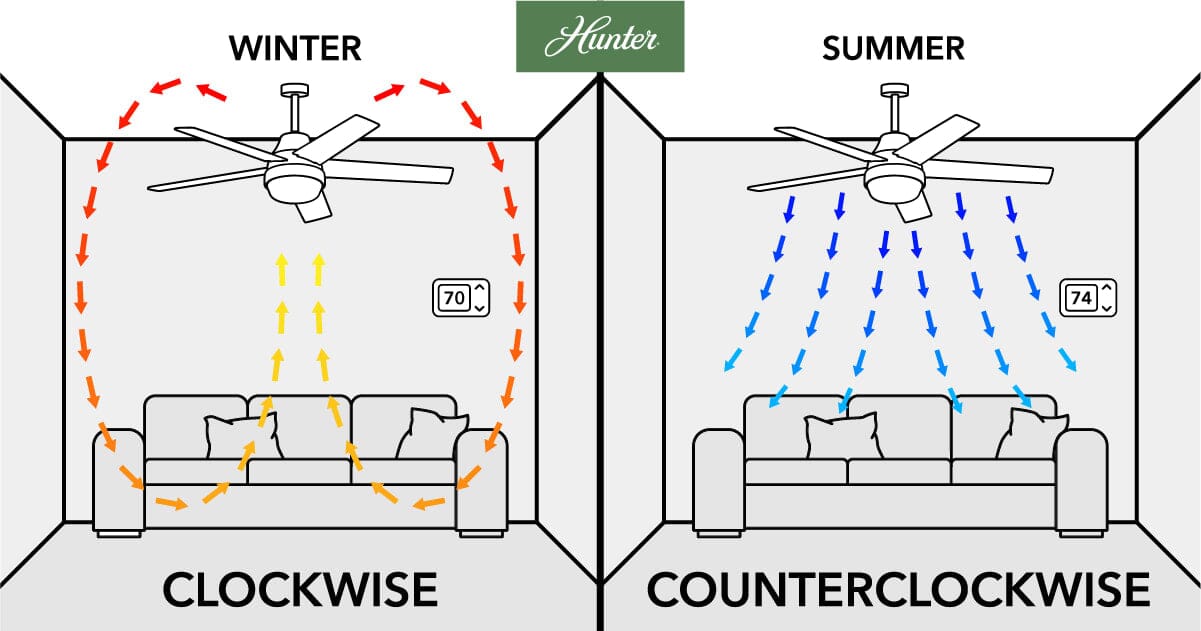
Think of it like this: summer demands a cooling breeze. You want a direct feeling of air movement. That means the fan should be turning counter-clockwise (when viewed from below). This pushes air down, creating that refreshing windchill effect. Winter, on the other hand, is about gentler air distribution. You want the fan to turn clockwise, drawing air up and then pushing it outwards along the ceiling. This helps circulate the warm air that naturally rises, preventing cold spots in the room. It's like a silent, subtle waltz of air, orchestrated for your comfort.
Must Read
Trying this at home is incredibly simple! Most ceiling fans have a small switch on the motor housing. Usually, it's a simple slide switch labeled "Summer/Winter" or with arrows indicating direction. Always turn the fan off completely before changing the switch! This is crucial for safety. Once the fan is off, locate the switch, flip it to the desired setting, and turn the fan back on. Observe the airflow – can you feel the direct breeze in summer mode? Is the air circulating more evenly in winter mode? Experiment and adjust until you find what works best for you and your space.

Don't just set it and forget it! Pay attention to how your room feels. If you're still feeling stuffy in the summer, consider increasing the fan speed or lowering your thermostat a degree or two. In winter, if you feel a draft, reduce the fan speed. It's all about finding that perfect balance.
Ultimately, understanding your ceiling fan's directional powers isn't just about saving energy or staying cool. It's about taking control of your environment and creating a space that's truly comfortable and conducive to your activities, whether you're painting a masterpiece, building a model airplane, or simply relaxing with a good book. It's about appreciating the little things, like the quiet hum of a perfectly adjusted fan, and knowing that you've optimized your space for maximum enjoyment. And that, my friends, is pretty cool.