
Which Way Does Your Ceiling Fan Go In The Winter
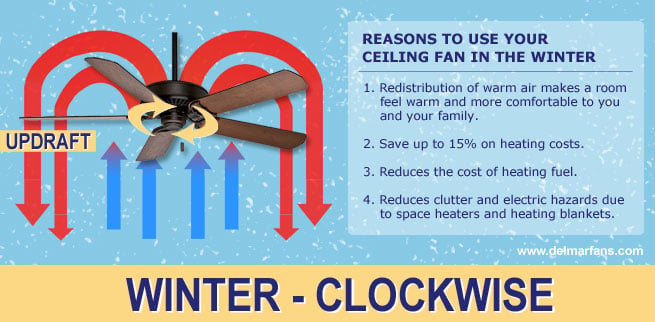
Okay, folks, let's talk about something that might seem a little… mundane. Ceiling fans. I know, I know, not exactly the stuff of thrilling dinner party conversation. But trust me, knowing which way your ceiling fan should spin in the winter is a total game changer. Think of it as a simple life hack that can save you money and keep you toasty. And who doesn't love saving money and feeling cozy when Jack Frost is nipping at our noses?
Imagine this: you're snuggled on the couch, wrapped in a blanket, watching your favorite holiday movie. The thermostat is cranked up, but you can still feel a slight chill. Sound familiar? You might be thinking, "More blankets!" Or maybe even, "Time to crank the heat even higher!" But before you do that, take a peek up at your ceiling fan.
Why Should I Even Care?
Good question! I get it. You're busy. Life is chaotic. You've got a million things on your mind. But hear me out. This is a low-effort, high-reward situation. Think of it as planting a tiny seed that blossoms into a warmer, more comfortable, and cheaper winter.
Must Read
Here's the deal: hot air rises. We all learned that in, like, 5th grade science. But sometimes, that hot air just hangs out up near the ceiling, leaving you shivering down below. That's where your fan comes in. By reversing the direction, you can gently push that warm air back down into the room.
It's like giving that warm air a little nudge, saying, "Hey, buddy, come on down! There are people down here who need you!" Instead of letting all that valuable heat escape to the ceiling, you're reclaiming it and putting it to good use. This ultimately creates a more even distribution of heat in the room, making it feel warmer at a lower thermostat setting. Less thermostat = less money spent on heating. Cha-ching!
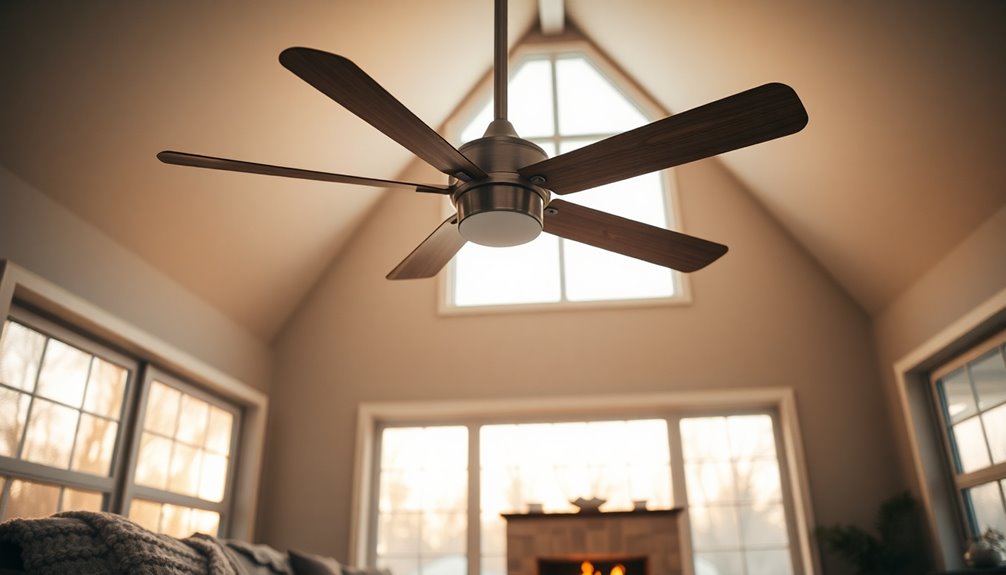
The Direction Deception: Winter vs. Summer
Now, here's where things get a little tricky. In the summer, you want your fan to spin counter-clockwise (as you're looking up at it). This creates a nice breeze that cools you down. Think of it like a gentle, artificial wind that sweeps across your skin, making you feel refreshed. It's meant to directly cool you down.
But in the winter, it's the opposite. You want it to spin clockwise. It’s not about creating a breeze. It's about gently circulating the air. This is important: you don't want to feel a blast of cold air coming down on you.
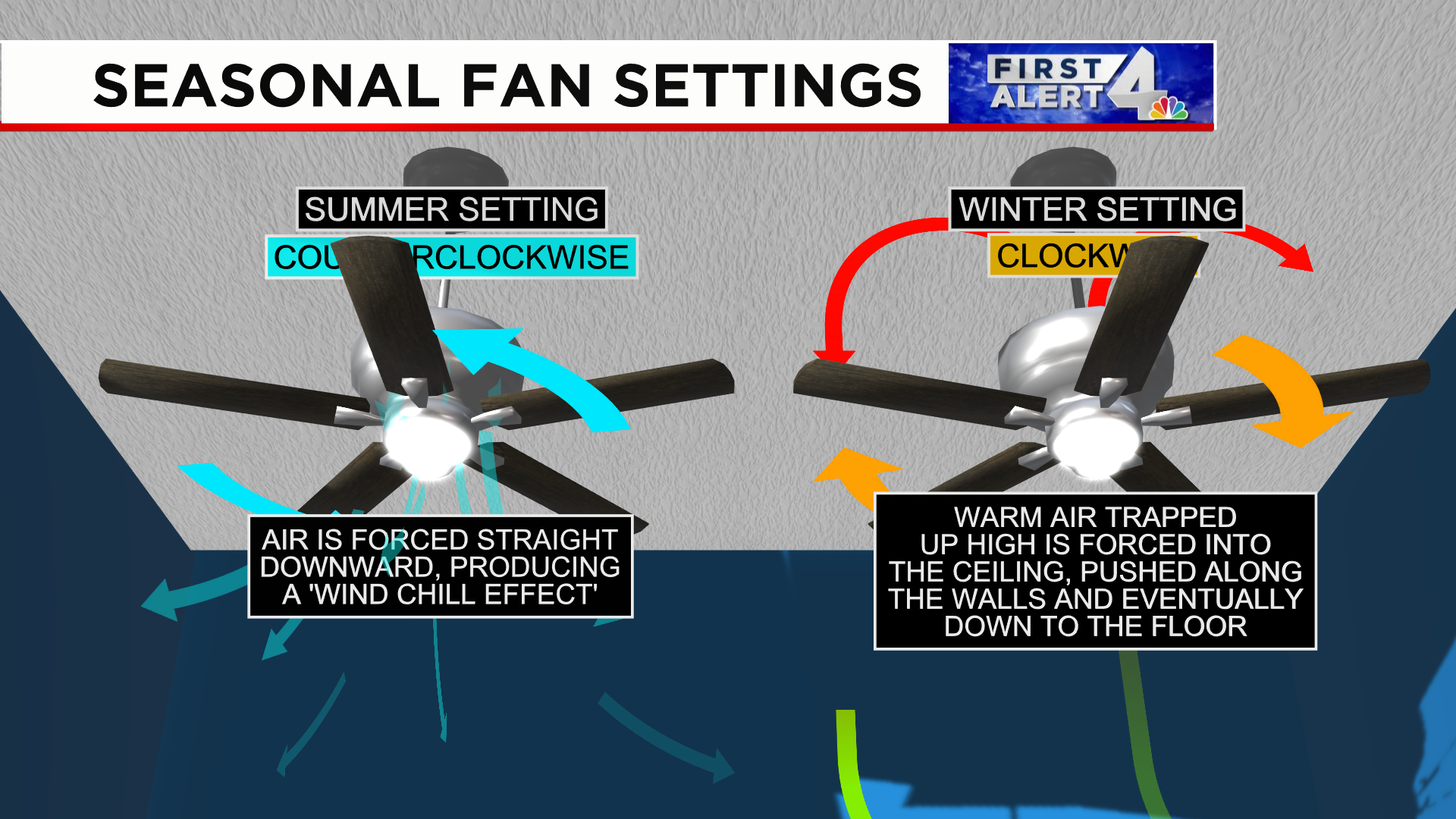
Imagine you're stirring a pot of soup. You're not trying to create a whirlpool; you're just gently mixing everything together to ensure even heating. That's what your fan is doing in the winter – gently mixing the warm and cool air to create a more comfortable environment.
How to Tell Which Way It's Spinning (Without Getting Dizzy)
Okay, let's get practical. How do you actually tell which way your fan is spinning? You don't want to just stand there staring at it until you're cross-eyed. The easiest way is to turn it on and then step to the side. Look at the blades from the side. Do they appear to be moving clockwise or counter-clockwise?
Most fans have a little switch on the motor housing that allows you to change the direction. It might be a small slider switch or a button. If you're not sure where it is, consult your owner's manual. (Yes, I know, who reads those things? But trust me, it might be worth a quick peek.) If you can’t find a switch, you may need to call an electrician. Safety first!
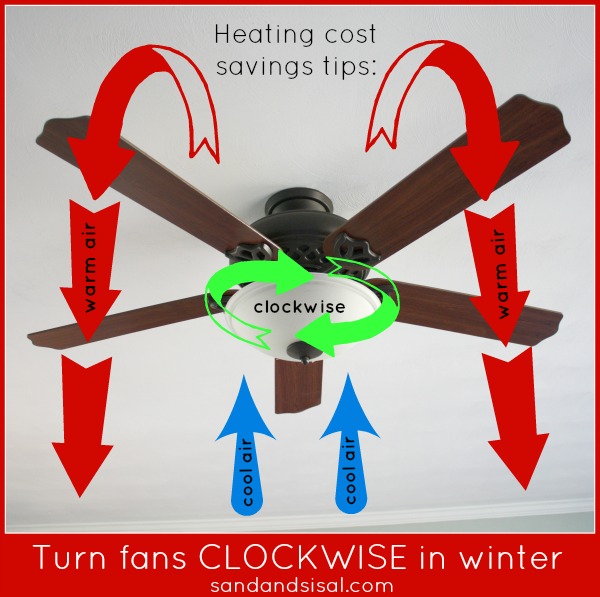
Pro-Tip: Check your fan's direction at the beginning of each season. It's a simple task that can make a big difference. Think of it as part of your seasonal home maintenance, like changing the batteries in your smoke detectors or cleaning out your gutters.
The Subtle Art of Air Circulation: It’s Not About Feeling a Breeze
I want to really emphasize this point: in the winter, you shouldn't be feeling a strong breeze from your ceiling fan. If you are, it's spinning too fast, or your ceiling is too low, or, more commonly, it’s spinning in the wrong direction. The goal is gentle circulation, not a wind tunnel effect.

You're essentially creating a convection current, where the warm air rises and the fan gently pushes it back down. This keeps the warm air circulating throughout the room, preventing it from getting trapped near the ceiling. This process is incredibly effective if you have high ceilings.
The Bottom Line: Save Money, Stay Warm, and Feel Good
So, there you have it. The not-so-secret secret to staying warmer and saving money this winter. By simply reversing the direction of your ceiling fan, you can reclaim that lost heat and create a more comfortable and energy-efficient home.
It's a small change that can make a big difference. And let's be honest, anything that helps us save a few bucks and feel a little cozier during those long winter months is definitely worth it. So go ahead, give it a try. Your wallet and your toes will thank you.