
Which Way Does The Ceiling Fan Turn In The Winter
Hey there, friend! Sipping your coffee? Me too. Let's chat about something super important... life-changing, even. Okay, maybe not life-changing, but definitely something that can make your winter a whole lot cozier (and cheaper!).
I'm talking about ceiling fans! Yeah, those things. You know, the ones you probably haven't thought about since, like, August? But guess what? They're not just for summer!
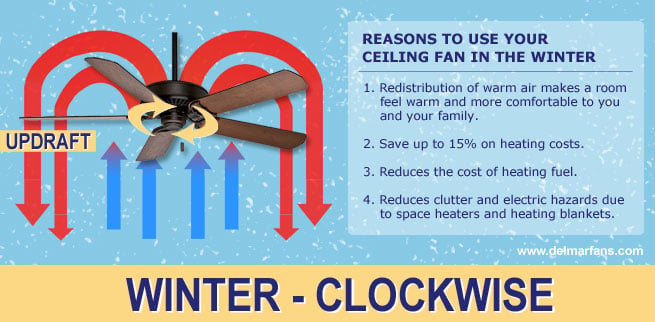
The million-dollar question: Which way should your ceiling fan turn in the winter? Drumroll please… (imagine dramatic drumroll sound effect). It should turn clockwise. Mind. Blown.
Must Read
Wait, Clockwise? Why?
Okay, so you might be thinking, "Clockwise? Isn't that, like, the opposite of what it does in the summer?" And you'd be right! In the summer, you want your fan to turn counter-clockwise to create a nice, breezy downdraft. This makes you feel cooler, even though the fan isn't actually lowering the temperature. It's just creating a wind chill effect. Clever, huh?
But winter is a whole different ball game, my friend. We're not looking for a breeze. We're trying to combat that awful feeling of cold air pooling near the floor while all the lovely, warm air is playing hide-and-seek up by the ceiling. Sound familiar?
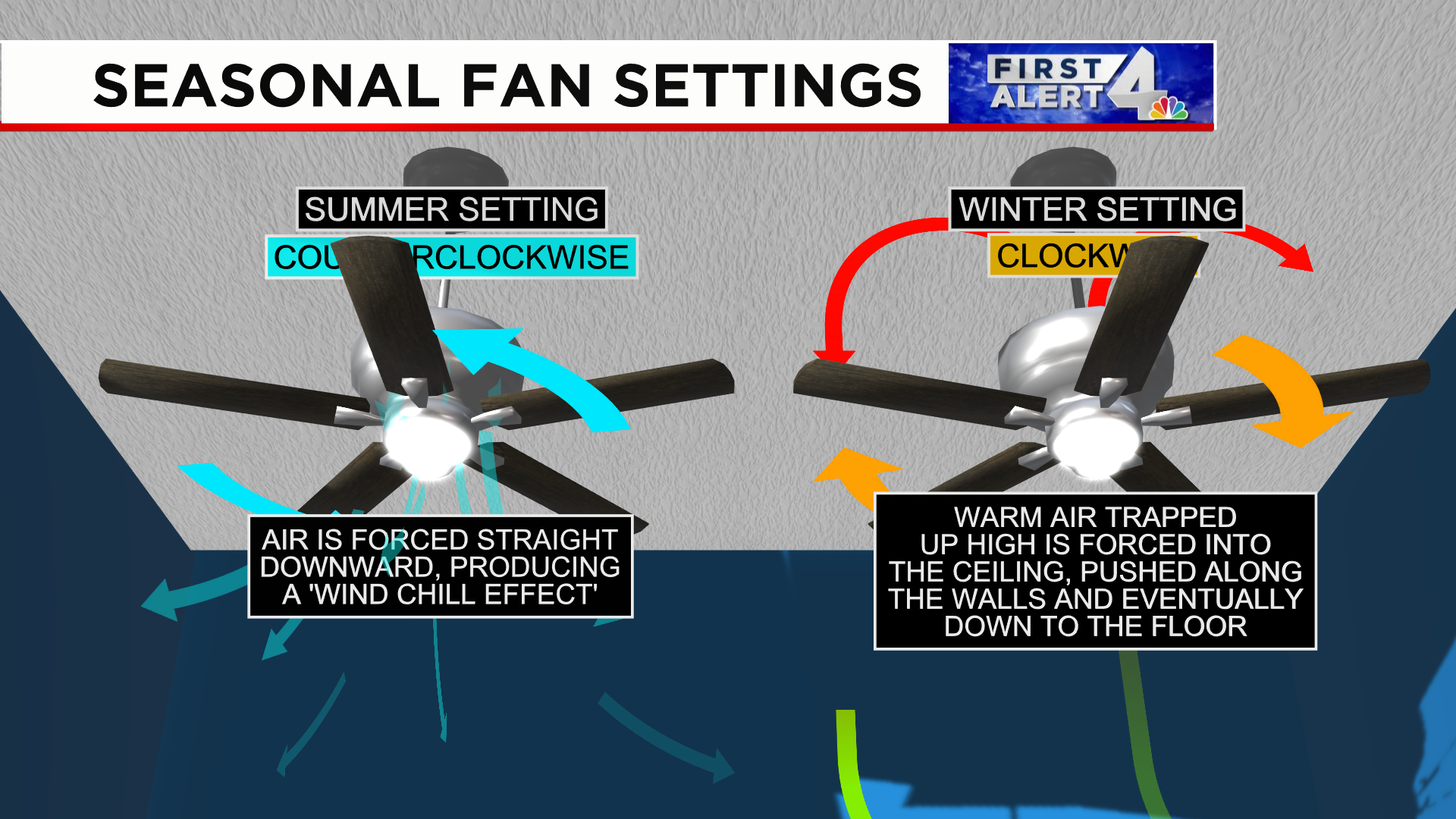
Here's the science-y (but not too science-y, I promise!) explanation: Warm air rises. Elementary, my dear Watson! So all that toasty air your heater is pumping out is naturally going to gravitate upwards. Which is great for your ceiling, but not so great for your toes.
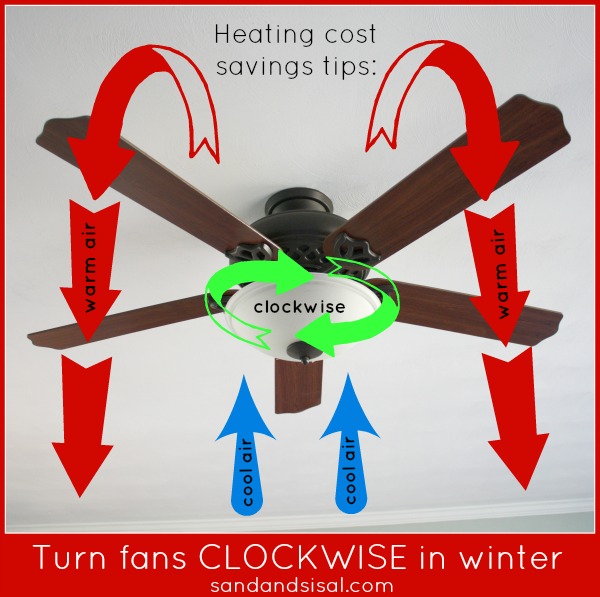
That's where your clockwise-spinning ceiling fan comes in! It gently pushes that warm air down the walls and back into the room. Think of it as a gentle, warm hug for your entire living space. Aww.
Okay, I'm Convinced. How Do I Change It?
Good question! Most ceiling fans have a little switch on the motor housing. It's usually a slider switch. You might need a step stool or a very tall friend to reach it. No judgment if you have to call in reinforcements!

Important! Make sure the fan is completely stopped before you flip the switch. We don't want any accidental ceiling fan-related injuries. Safety first, always!
Flip that switch, and you should be good to go! Now, stand back and admire your handiwork (and your soon-to-be-warmer room).
But Will It Really Make a Difference?
Honestly? Yes! It might not be a dramatic, night-and-day difference. You're not going to suddenly feel like you're on a tropical beach (unless, you know, you live on a tropical beach). But it will help to distribute the warm air more evenly, which means your heater won't have to work as hard. Translation: lower energy bills! Cha-ching!
Plus, it just feels… nicer. That constant cold-air-at-ankle-level feeling? Gone! (Or at least significantly reduced). You'll be able to wear socks without feeling like you're living in the Arctic Circle. Small victories, right?
A Few Extra Tips and Tricks
- Low and slow is the name of the game. You don't need your fan spinning at warp speed. A low setting is perfect for gently circulating the air.
- Experiment! Every room is different. Play around with the fan speed until you find what works best for you.
- Don't forget to dust your fan blades! Nobody wants a shower of dust bunnies with their warm air.
So there you have it! The secret to a warmer, more comfortable winter, courtesy of your trusty ceiling fan. Go forth and conquer the cold, my friend! And maybe send me a postcard from your slightly-less-Arctic living room. 😉
![Ceiling Fan Directions for Summer vs Winter [Infographic]](https://airflowacademy.com/wp-content/uploads/2021/06/Ceiling-fan-directions-infographic-768x1425.jpg)