Which Way Does A Fan Blow Down
Ah, the humble fan! It’s one of those simple pleasures in life, isn't it? As the mercury rises and the air grows thick with humidity, there’s nothing quite like the gentle hum and refreshing breeze of a fan to bring a little slice of comfort. Whether you’re trying to beat the summer heat, air out a stuffy room, or simply enjoy a light airflow, fans are our unsung heroes of climate control. We love them because they offer immediate relief, a silent promise of cooler times, and a wonderfully uncomplicated way to improve our immediate environment without breaking the bank.
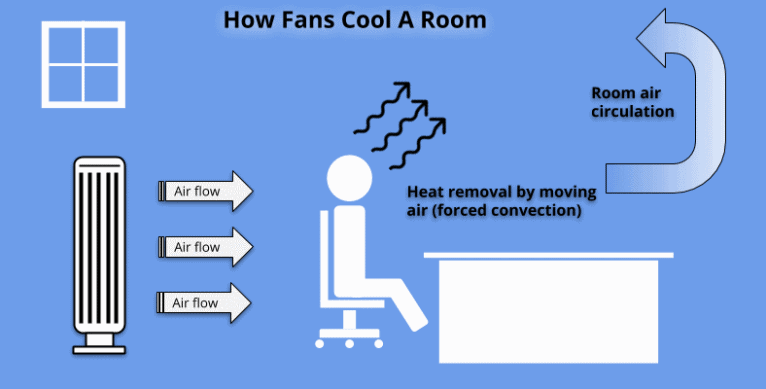
Beyond the immediate "ahhh" factor, fans serve a vital purpose in our everyday lives. They primarily work by creating a wind-chill effect, helping our bodies cool down through evaporative cooling – essentially, they speed up the evaporation of sweat from our skin, making us feel cooler even if the actual room temperature hasn't dropped much. This makes them incredibly efficient for personal comfort. Furthermore, fans are champions of air circulation. They prevent stale air from settling, redistribute heating or cooling more evenly, and can even help dissipate odors. In essence, they don't just move air; they improve the quality of the air we breathe and the comfort we feel within our own spaces.
You'll find fans applied in countless scenarios. From the whirring desk fan that keeps you cool during a Zoom meeting, to the powerful box fan strategically placed in a window for cross-ventilation, pulling fresh air in or pushing stuffy air out. Of course, there's also the majestic ceiling fan, silently presiding over living rooms and bedrooms, offering a broad, gentle circulation. Then we have exhaust fans in kitchens and bathrooms, diligently working to remove steam and odors. Each type serves a specific need, but they all share the common goal of moving air for our benefit.
Must Read
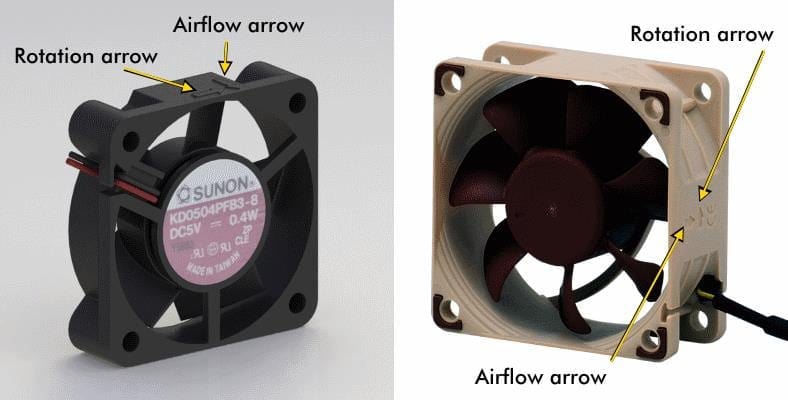
Now, for the ultimate question, especially concerning those ceiling-mounted marvels: which way does a fan blow down? This is where a little know-how can dramatically increase your comfort! For ceiling fans, the direction of the blade rotation is key. During warmer months, you want your ceiling fan to spin counter-clockwise when looking up at it. This motion pushes air downward, creating a direct breezy column that generates that wonderful wind-chill effect. It makes you feel cooler, allowing you to often set your air conditioner thermostat a few degrees higher, thereby saving energy and money. Most ceiling fans have a small switch on the motor housing that allows you to reverse the blade direction.
Conversely, in colder months, you should set your ceiling fan to spin clockwise. This pulls air upward, gently recirculating the warmer air that naturally rises to the ceiling and pushing it back down along the walls. This creates a more even temperature distribution throughout the room without creating a direct draft that would make you feel cold. So, remember that little switch! For other fans, simply ensure they are positioned to maximize airflow directly towards you or across the room for optimal circulation. And don't forget to clean those blades regularly; dust buildup can significantly reduce efficiency! With these tips, you can truly master the art of the breeze and enjoy your fans more effectively all year round.