
Which Way Do Ceiling Fans Turn
:max_bytes(150000):strip_icc()/ceiling-fan-rotate-direction-1907533-v4-5ba94e6346e0fb002576cebf.png)
There's a quiet hum in many homes, a steady presence above our heads that we often take for granted. It’s the ceiling fan, tirelessly spinning, a silent sentinel of comfort. But have you ever paused to truly consider its dance?
Most of us flip the switch, feel the breeze, and move on with our day. It’s just "on," right? Yet, this unassuming fixture holds a delightful little secret, a hidden layer of thoughtfulness designed to enhance our living spaces.
It’s a secret that, once uncovered, can turn a simple household appliance into a conversation starter, or even a source of mild domestic debate. We’re talking, of course, about which way ceiling fans turn.
Must Read
Yes, there's more than one way for those blades to spin! This isn't just about speed; it's about direction. And knowing the difference can make all the difference to your comfort and even your energy bill.
The Great Spin Mystery: Summer Breeze or Winter Warmth?
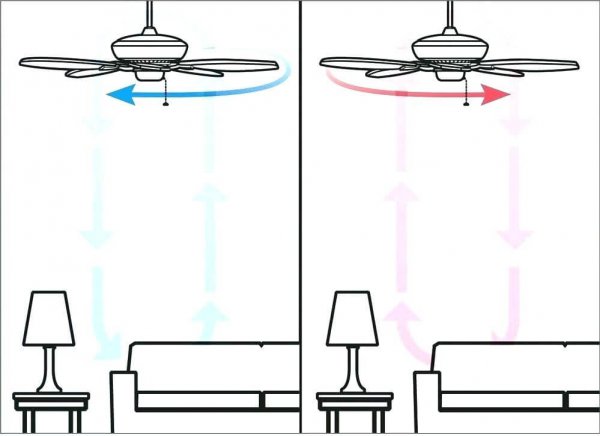
Imagine a sweltering summer day. The sun beats down, and you crave that refreshing rush of air. You flick on the fan, and immediately, you feel a delightful downward breeze. Ah, sweet relief!
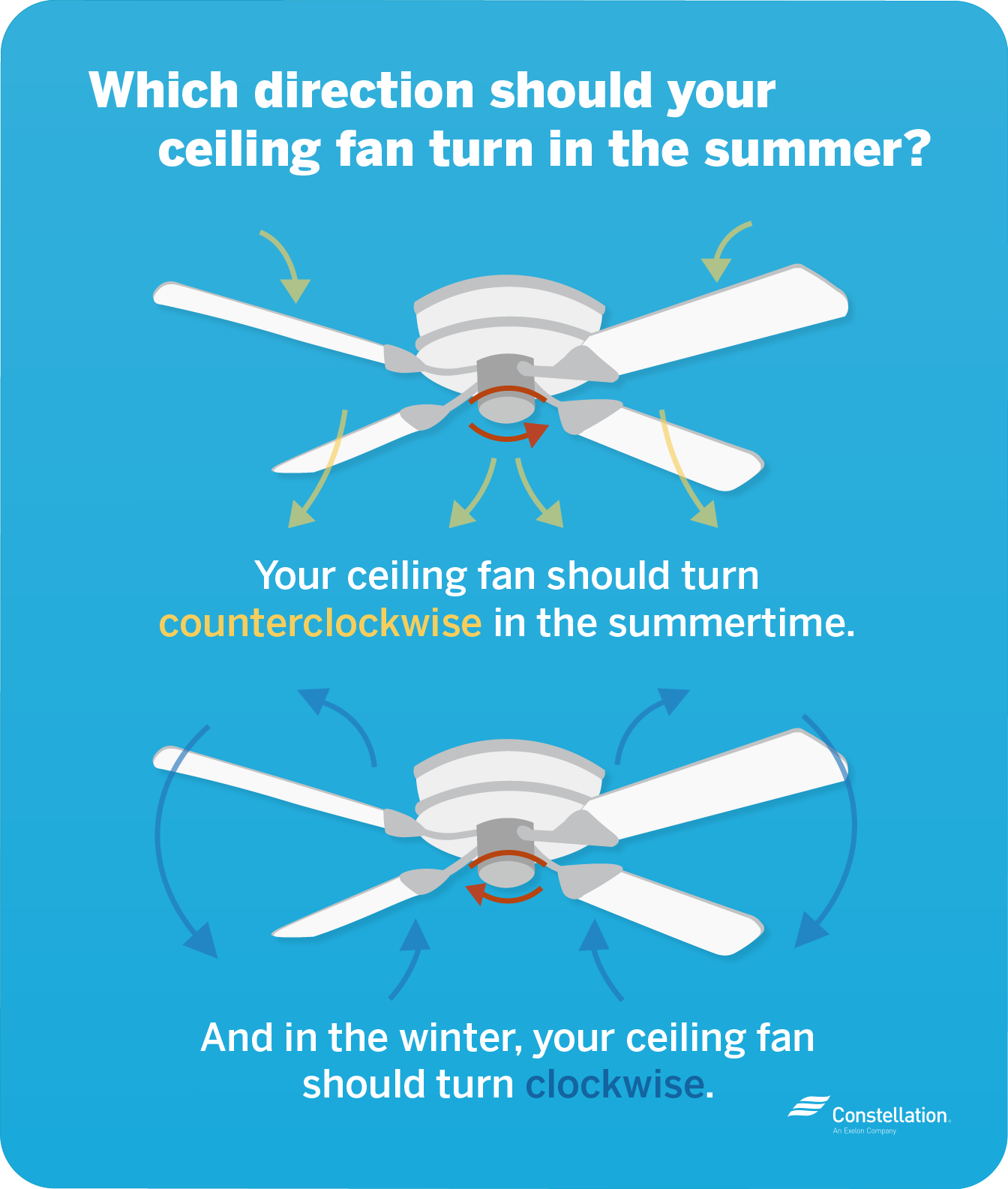
In this scenario, your fan is likely spinning counter-clockwise. Think of it like the hands of a clock moving backward. This motion pushes air straight down, creating that lovely wind-chill effect directly beneath it.
It’s the classic summer setting, designed to make you feel cooler by evaporating sweat from your skin. It’s a simple mechanical marvel, perfectly tuned to beat the heat.
Now, fast forward to a chilly winter evening. The heating is on, but there’s still a noticeable draft or a feeling that the warmth isn't quite reaching every corner. This is where the fan's other secret comes into play.
For winter, you want your fan to spin clockwise. Picture the hands of a clock moving normally. This seemingly subtle change performs a completely different kind of magic.
When spinning clockwise, the fan gently pulls cooler air upwards. This, in turn, pushes the warmer air that naturally rises and collects near the ceiling back down into the room. It’s like a silent, gentle convection current.
You won't feel a direct breeze in winter; that’s the whole point! Instead, you’ll notice a more even distribution of warmth, making your room feel cozier without cranking up the thermostat.
The Tiny Toggle, The Big Reveal
So, how do you unlock this seasonal wisdom? The secret lies in a tiny, unassuming switch usually found on the body of the fan itself. Often, it's a small, sliding button tucked away, almost shyly.
This little toggle switch is the mastermind behind the blade's rotation. With a flick, you can change your room’s entire atmospheric strategy. It’s a power wielded by many, understood by few.
Many homeowners live for years without ever discovering this feature. They might adjust the speed but never consider the direction. It’s a delightful "aha!" moment when someone finally points it out.
I once knew a couple, let's call them Sarah and Tom, who had been married for twenty years. They had countless ceiling fans in their home, always just set to "on." One summer, Sarah complained about feeling too hot even with the fan running.
A visiting relative, noticing their plight, casually walked over to the fan and flipped the mysterious switch. Suddenly, a noticeable breeze swept through the room. Sarah's jaw dropped.
"Twenty years!" she exclaimed with mock outrage. "Twenty years of unnecessary sweating, and all because of this tiny button!"
Tom, equally amazed, simply shook his head and chuckled. It became a running joke in their household, a testament to the hidden wonders of everyday objects.
Beyond the Blades: A Humorous Human Endeavor
This little detail sparks surprising conversations. It's not uncommon to hear friends debating it at a backyard barbecue, each passionately advocating for their preferred "summer spin" or "winter whirl."
There are the self-proclaimed ceiling fan experts, ready to leap up and adjust any improperly spinning fan they encounter. They become the benevolent guardians of indoor climate control.
Then there's the genuine surprise on people's faces when they realize their fan has been "wrong" for months, or even years. It’s a moment of mild embarrassment quickly followed by a sense of newfound domestic prowess.
It’s a simple act, flipping a switch, but it connects us to a larger idea: the subtle ways we interact with our environment. It highlights how a small adjustment can yield significant comfort.
Think of the satisfaction! The sheer delight of knowing you've optimized your living space, making it just right for the season. It’s a tiny victory in the grand scheme of homeownership.
This small knowledge also speaks to our desire for efficiency. In an age of smart homes and complex gadgets, there's something charmingly analog about this mechanical trick. It’s low-tech ingenuity at its finest.
![Ceiling Fan Directions for Summer vs Winter [Infographic]](https://airflowacademy.com/wp-content/uploads/2021/06/Ceiling-fan-direction.jpg)
The ceiling fan, in its humble way, is a quiet hero of energy saving. Using it correctly can allow you to raise your thermostat setting in summer or lower it in winter by a few degrees, making a noticeable difference to your utility bills.
It’s a little secret shared among those who take the time to notice the details. Like spotting a hidden pattern in a tapestry, or discovering a forgotten melody.
Embrace the Spin!
So, the next time you glance up at your ceiling fan, don't just see a blur of blades. See a marvel of seasonal adaptation, a silent partner in your home's comfort story.
Take a moment to check its direction. Is it bringing you a refreshing breeze or gently circulating warmth? You might just discover a new level of comfort you never knew you were missing.
And who knows? You might become one of those amiable ceiling fan experts, ready to share this delightful little secret with friends and family, one perfectly spinning blade at a time.
After all, understanding which way ceiling fans turn isn't just about air circulation. It's about paying attention, embracing clever design, and finding joy in the small, surprising details of our everyday lives.