Which Statements Are Properties Of Protein Based Active Transport
Ever wondered how your body gets the good stuff it needs from the food you eat? Or how it kicks out the waste? It's not all just a simple free-for-all! A lot of it comes down to a fascinating process called active transport. Think of it like a tiny, incredibly efficient, protein-powered delivery service operating inside your cells. And just like a delivery service, it has specific rules and properties that govern how it works. Understanding these properties is key to appreciating how your body maintains balance and stays healthy.
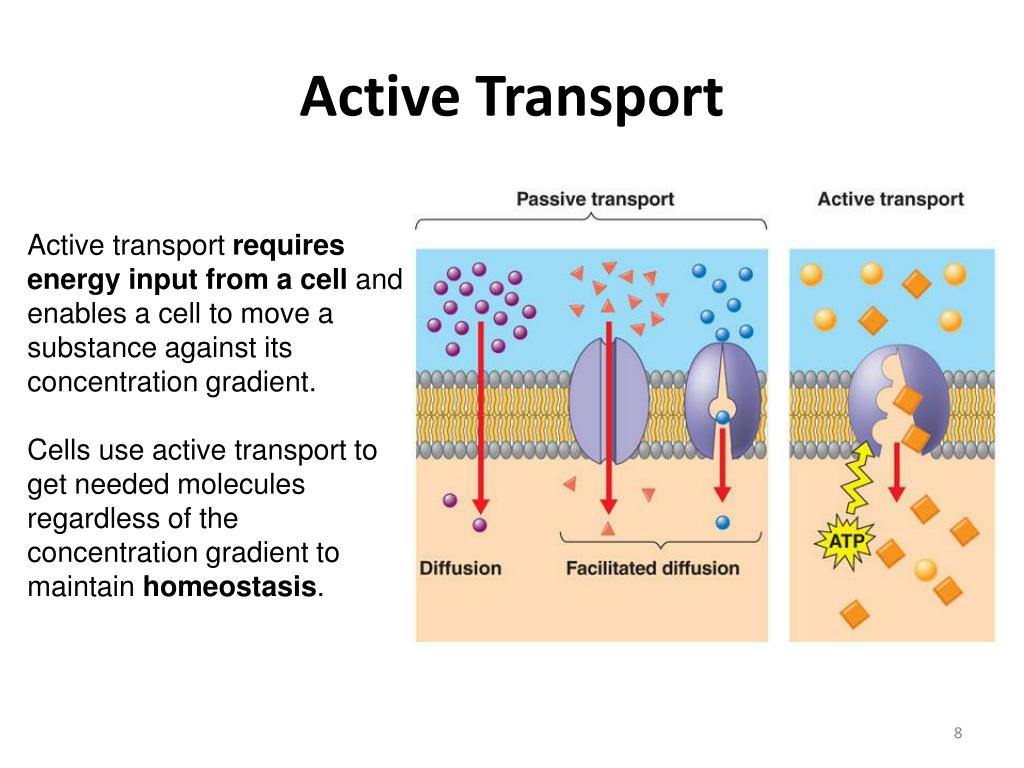
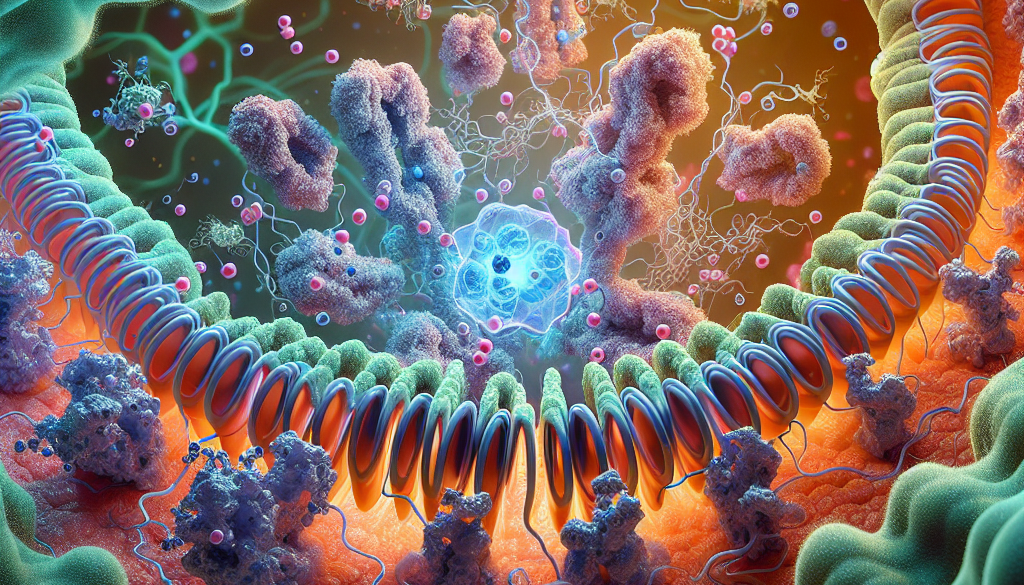
So, what exactly is protein-based active transport? Well, imagine a cell membrane as a border with guards – the transport proteins. These aren't just letting anything waltz on through. Some molecules need a little extra help, especially if they're going against the concentration gradient. Think of it like pushing a boulder uphill – it requires energy! That's where active transport comes in. It uses these protein "guards" to actively shuttle molecules across the membrane, even if it means working against the natural flow.
Now, let's get to the heart of the matter: what are the defining characteristics of this protein-powered system? Here are some key statements that describe the properties of protein-based active transport:
Must Read
First and foremost, it requires energy. This is perhaps the most crucial characteristic. The energy is often supplied by ATP (adenosine triphosphate), the cell's energy currency. Without ATP, the transport proteins can't do their job of moving molecules against their concentration gradient.
Secondly, it is highly specific. These transport proteins aren't just grabbing anything that floats by. They are designed to bind to specific molecules, much like a key fits a lock. This specificity ensures that only the right substances are transported across the membrane.
Thirdly, it exhibits saturation kinetics. Think of it like a limited number of delivery trucks. At low concentrations of the molecule being transported, the rate of transport increases proportionally. However, as the concentration increases, the transport proteins become saturated – they can only carry so much at a time. This leads to a plateau in the transport rate.
Fourthly, active transport can be inhibited. Certain molecules can interfere with the transport process, either by blocking the binding site on the protein or by interfering with the energy supply. This inhibition can have significant consequences for cell function.
Finally, it moves substances against their concentration gradient. This is what truly defines active transport. Unlike passive transport, which moves molecules down their concentration gradient (from high to low concentration), active transport can move molecules from an area of low concentration to an area of high concentration, requiring energy input.
Understanding these properties of protein-based active transport helps us understand fundamental biological processes like nutrient absorption in the gut, maintaining ion gradients in nerve cells, and waste removal in the kidneys. So next time you're enjoying a delicious meal, remember the hard-working transport proteins inside your cells, diligently ferrying the good stuff where it needs to go!