
Which Statements About The Profit System Are True
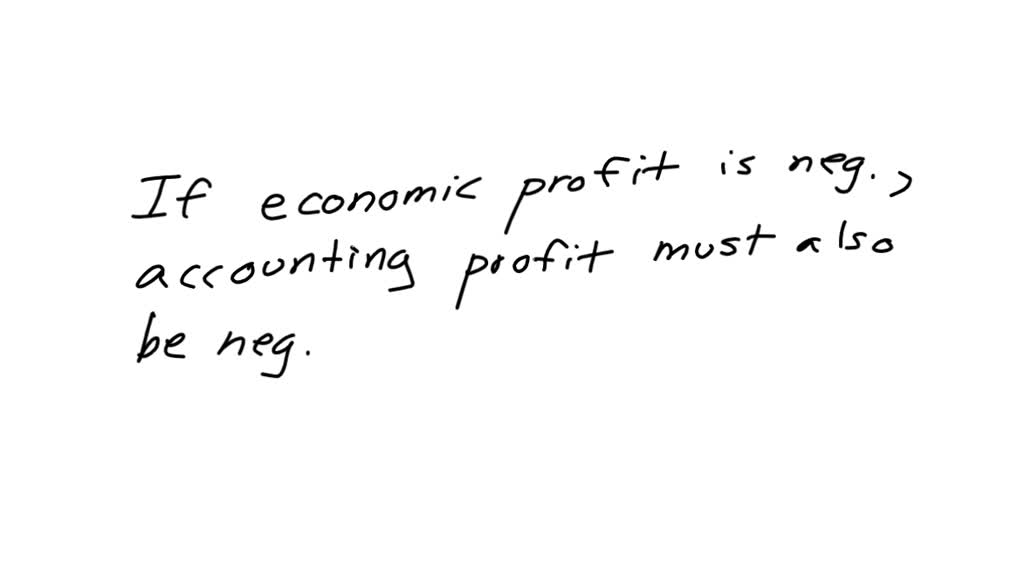
Okay, let's talk about profits. That word can make people clutch their pearls or fist-pump the air. It's… divisive.
But what's actually true about this whole profit system thing? Let’s dive in with a wink and a nudge.
Profit: Is It Always a Dirty Word?
Some folks think profit is evil. They picture Scrooge McDuck swimming in gold coins. Is that really the whole story?
Must Read
Probably not. Think about your local bakery. They need profit to buy flour, pay their bakers, and maybe, just maybe, expand to a second location.
If they don't make a profit, no more croissants. And that's a tragedy, right?
Statement 1: Profit is Theft
Now, this one's spicy! Some say profit is just stolen labor. That the workers create all the value, and the owners just pocket it.
Is there some truth there? Possibly. Are there companies that exploit workers? Sadly, yes.
But is all profit theft? I'm not so sure. What about the risk the owner took starting the business? Or the crazy hours they put in?
And let’s be honest, most of us wouldn't be thrilled to work without getting paid! So, there’s got to be some incentive for creating and organizing things.
Statement 2: Profit Drives Innovation
Ah, innovation! That shiny new gadget you just had to have. Where did that come from?
Often, the pursuit of profit motivates companies to create better, faster, and cooler things. They want your money, after all!
Think about Elon Musk. Love him or hate him, his companies are pushing boundaries. Tesla electric cars, SpaceX rockets… all driven (at least partly) by the desire to make a buck.
Without the profit motive, would we still be driving horse-drawn carriages? Maybe. But probably not with heated seats and satellite radio.
Statement 3: Profit Creates Jobs
This is a big one. Businesses that are profitable tend to hire more people. It's simple math.
More customers, more demand, more need for employees. It’s a virtuous (or maybe vicious, depending on your perspective) cycle.
No profit, no growth. No growth, no new jobs. That’s a pretty tough reality to swallow.
Statement 4: Profit Only Benefits the Rich
Okay, let's be real. The rich often get richer through profit. That's just how the system works. Jeff Bezos didn't get that yacht by clipping coupons.
But does only the rich benefit? What about your pension fund? Or your 401k? Those are often invested in profitable companies.

And what about the taxes those profitable companies pay? Those taxes (hopefully) fund schools, roads, and other public services.
So, while wealth inequality is a serious problem, it’s not quite accurate to say profit only benefits the wealthy.
Statement 5: Profit is Unnecessary
Can we imagine a world without profit? Some say yes. They dream of a society where everyone works for the common good, not for personal gain.
Sounds lovely, doesn't it? But history suggests it's incredibly difficult to pull off on a large scale.
Without some kind of incentive, who's going to clean the sewers? Who's going to take the risks involved in starting a new business?
Maybe a non-profit-driven world is possible. But it would require a radical shift in human nature. And good luck with that!
The Verdict? (Spoiler: It's Complicated)
So, which statements are true? The answer, as always, is "it depends." The profit system is messy. It's flawed.
It can lead to exploitation and inequality. But it also drives innovation, creates jobs, and (sometimes) provides benefits to society as a whole.
Maybe the real question isn't whether profit is good or bad, but how we can create a system that harnesses its power while mitigating its negative consequences. That's something worth pondering, over a croissant, perhaps.
Now, if you'll excuse me, I'm off to invent a self-cleaning coffee mug. For purely altruistic reasons, of course.