Which Phrase Is The Best Definition Of Energy
Ever felt that afternoon slump, or watched a rocket launch and thought, "Wow, that took some serious oomph"? We're talking about energy, that invisible force that powers everything around us. But what is it, exactly? It turns out, nailing down the "best" definition of energy is trickier than you might think, and that's what makes it so fascinating to explore. Thinking about energy isn't just for scientists in lab coats; understanding it a bit better can help us make smarter choices about our health, our consumption, and even our daily routines.
The purpose of understanding energy is quite simple: it unlocks a deeper understanding of the world. When we understand how energy works, we can better predict and explain phenomena around us. For example, knowing that potential energy can be converted to kinetic energy helps us understand how a roller coaster works. From the simple act of turning on a light to the complex processes inside our bodies, energy is the common thread. One of the major benefits of grappling with the concept of energy is empowerment. We become better consumers of energy, making informed choices about appliances, transportation, and even food. We also become more aware of the impact of our choices on the environment.
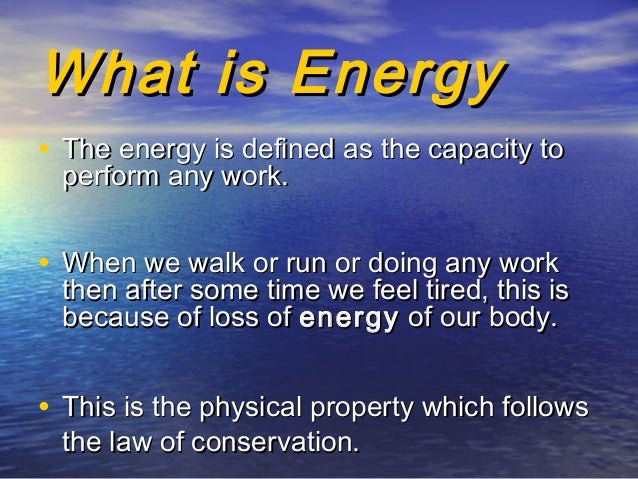
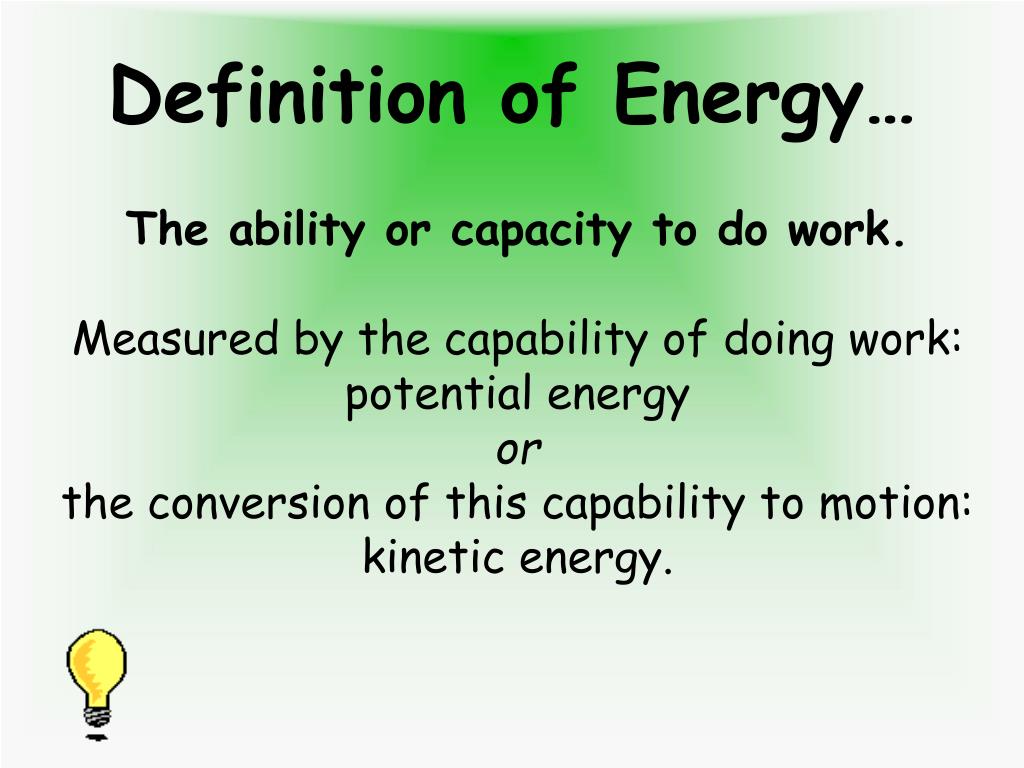
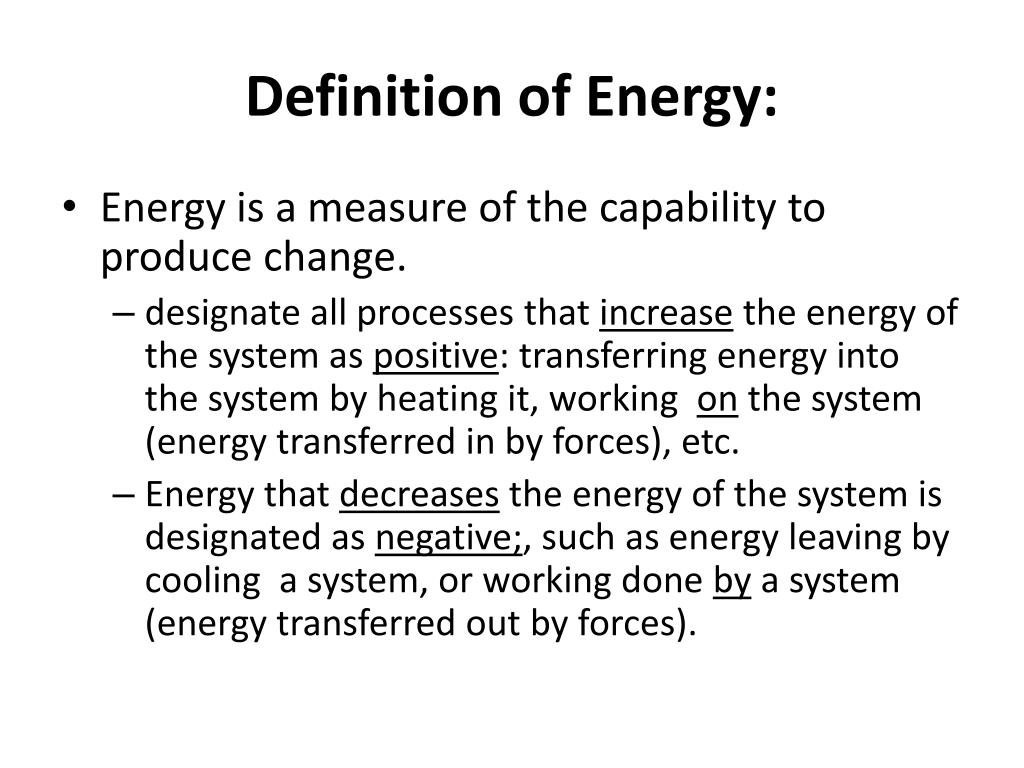
So, which phrase is the best definition of energy? You'll often hear "the ability to do work." This is a pretty good starting point. Work, in physics terms, means applying a force to move an object over a distance. A more comprehensive definition might be: Energy is the capacity to cause change or perform work. This encompasses a broader range of processes, including heat transfer, chemical reactions, and even the growth of a plant. Both definitions emphasize energy's role in causing something to happen. In education, students might learn about energy through experiments with simple machines like levers and pulleys, observing how they make work easier by changing the amount of force required. In daily life, we see energy transformations constantly – a car converting the chemical energy of gasoline into kinetic energy, a solar panel converting light energy into electricity, or even our bodies converting the chemical energy of food into the energy needed to walk, talk, and think.
Must Read
Let's consider another example: a battery. It stores potential energy in the form of chemical energy. When you connect the battery to a device, like a flashlight, that chemical energy is converted into electrical energy, which then becomes light and heat energy. All these transformations are forms of energy at play.
Want to explore energy further? It's easier than you think! A simple experiment is to drop a ball from different heights. Notice how the higher the drop, the more it bounces. That's because it has more potential energy at the greater height, which converts into more kinetic energy as it falls. Another idea is to observe the labels on your appliances. Look for energy efficiency ratings (like Energy Star) and compare the energy consumption of different models. Think about your food: where did the energy in your food come from originally? (Hint: the sun!). By paying attention to these everyday examples, you'll start to develop a more intuitive understanding of the ubiquitous role of energy in our world.