
Which Particle Has A High Rate Of Deposition
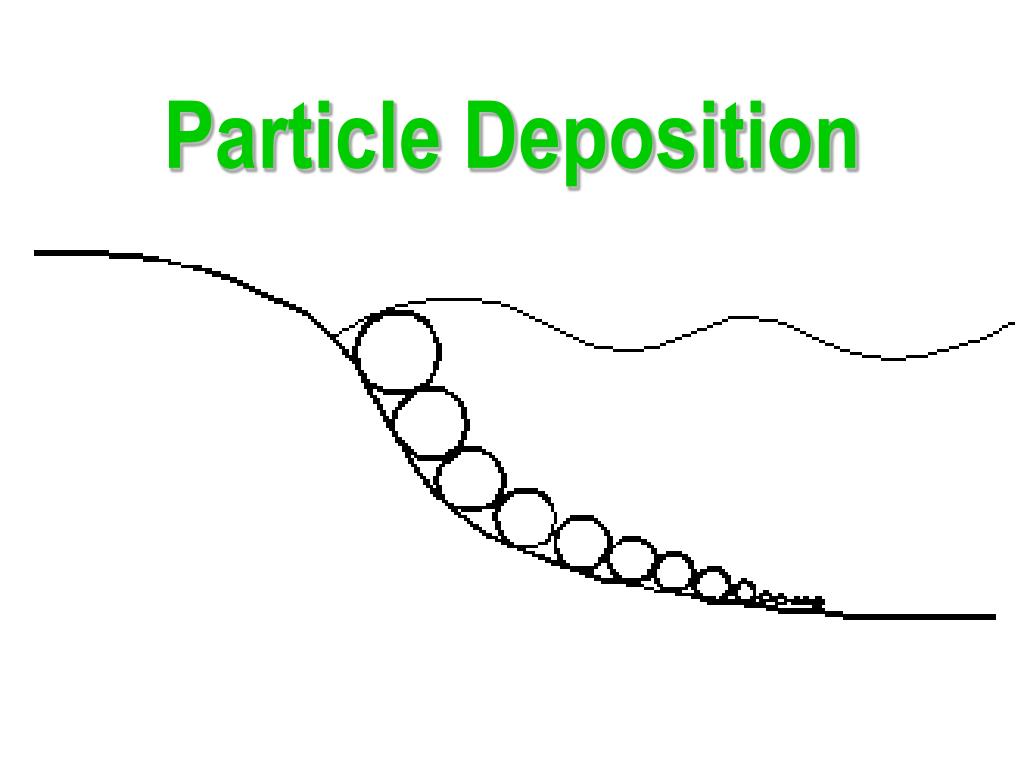
Ever wondered which tiny thing falls out of the sky (or settles from the air) the fastest? I mean, we're talking about the micro-world here – particles so small you need special equipment to even see them. Turns out, there's a deposition champion!
Dust in the Wind, Deposited on the Ground
Let's talk about dust. Yeah, that stuff that settles on your furniture no matter how much you clean. But it's not just annoying; it's actually pretty fascinating! Dust, in its various forms (pollen, soil, bits of dead skin – eww, but true!), tends to have a relatively high deposition rate.
Think of it like this: imagine dropping a feather and a pebble from the same height. Which one hits the ground first? The pebble, right? That's because it's heavier and more affected by gravity. Similarly, larger and denser particles of dust tend to settle out of the air faster than, say, super-fine smoke particles.
Must Read
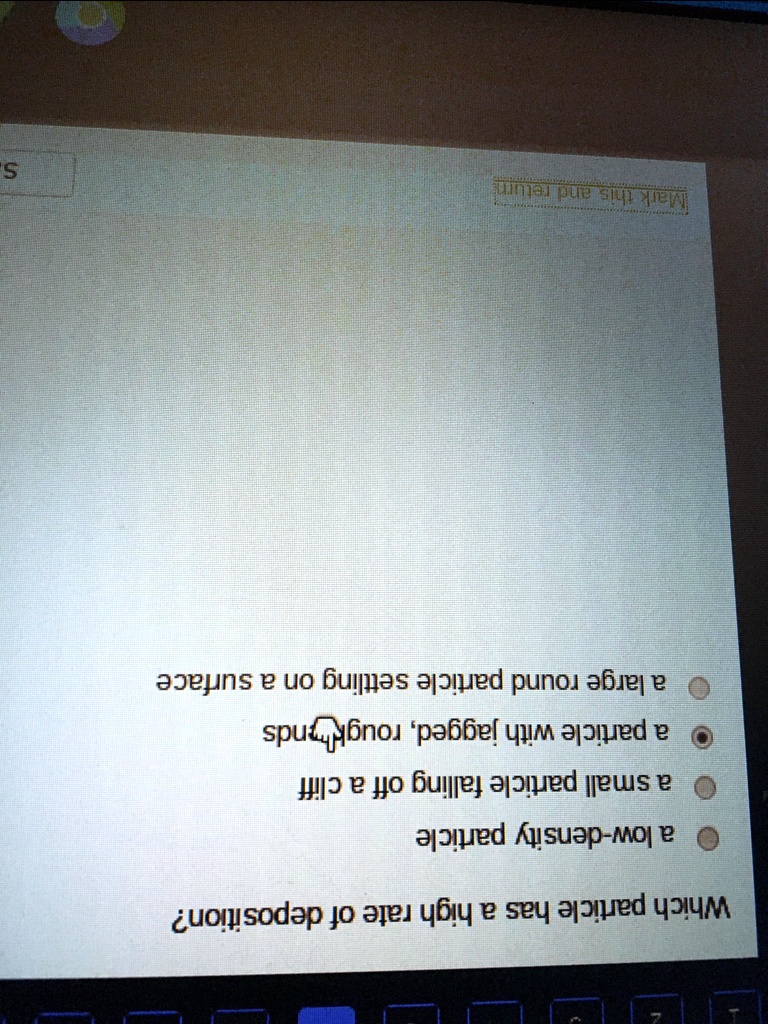
But wait! There's more to the story than just size and weight. Shape matters too! A perfectly spherical particle will fall differently than a jagged, oddly-shaped one. Think of trying to fly a kite in still air, it won't fly will it? A jagged particle might catch the air more, slowing its descent. Dust, being a mixed bag of shapes and sizes, makes things super interesting.
Why Should We Care About Falling Dust?
Okay, so dust falls fast-ish. Big deal, right? Wrong! The deposition rate of particles, especially dust, has HUGE implications for our planet. I mean, who knew falling dust could be so important?
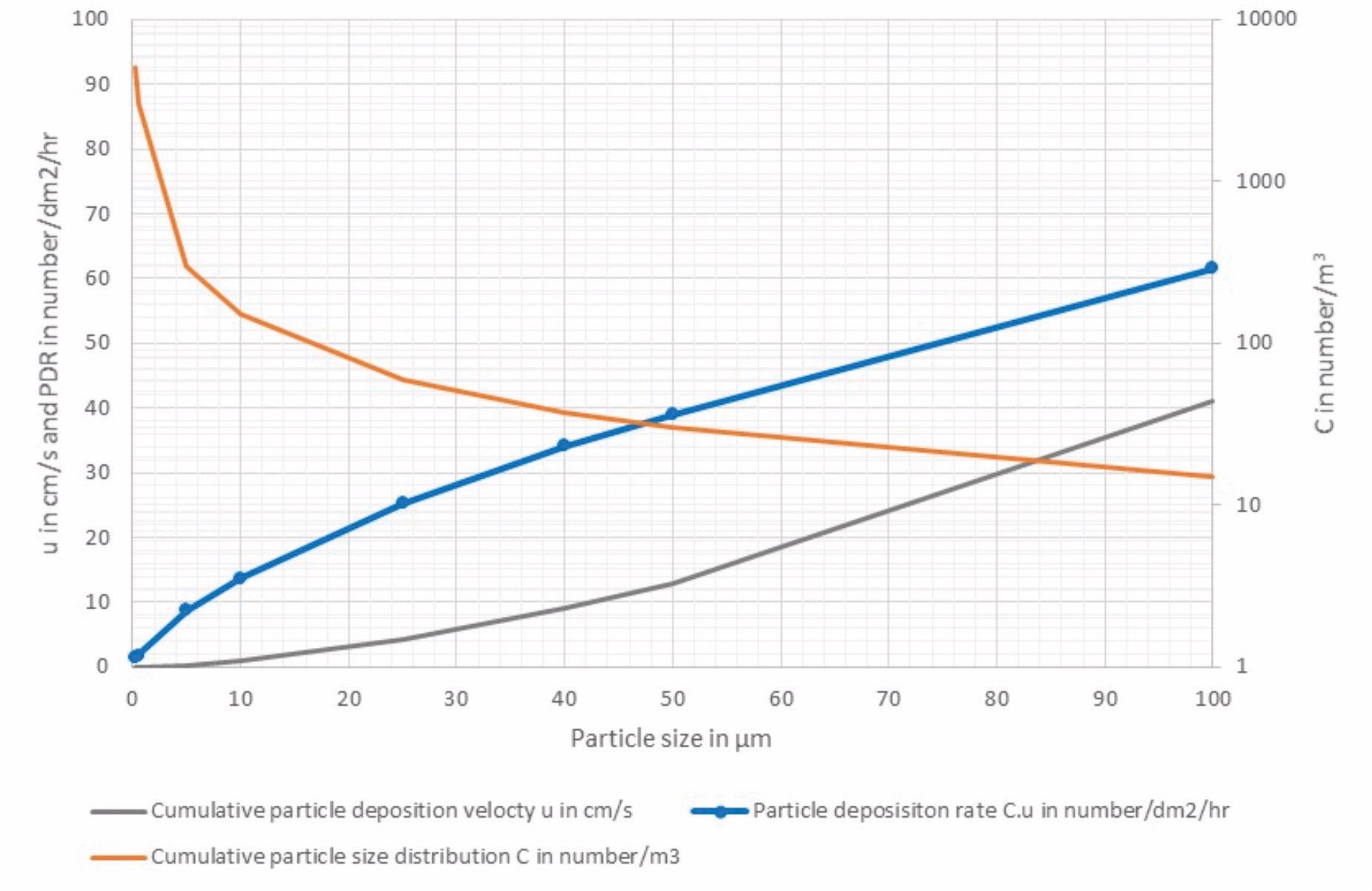
First off, it affects air quality. The faster particles deposit, the cleaner the air becomes (at least in terms of particulate matter). This is great news for our lungs!
Secondly, it impacts climate. Dust carries minerals and nutrients that fertilize ecosystems, especially in the oceans. Imagine the Sahara Desert’s dust blowing all the way across the Atlantic Ocean to fertilize the Amazon rainforest! Mind-blowing, right?
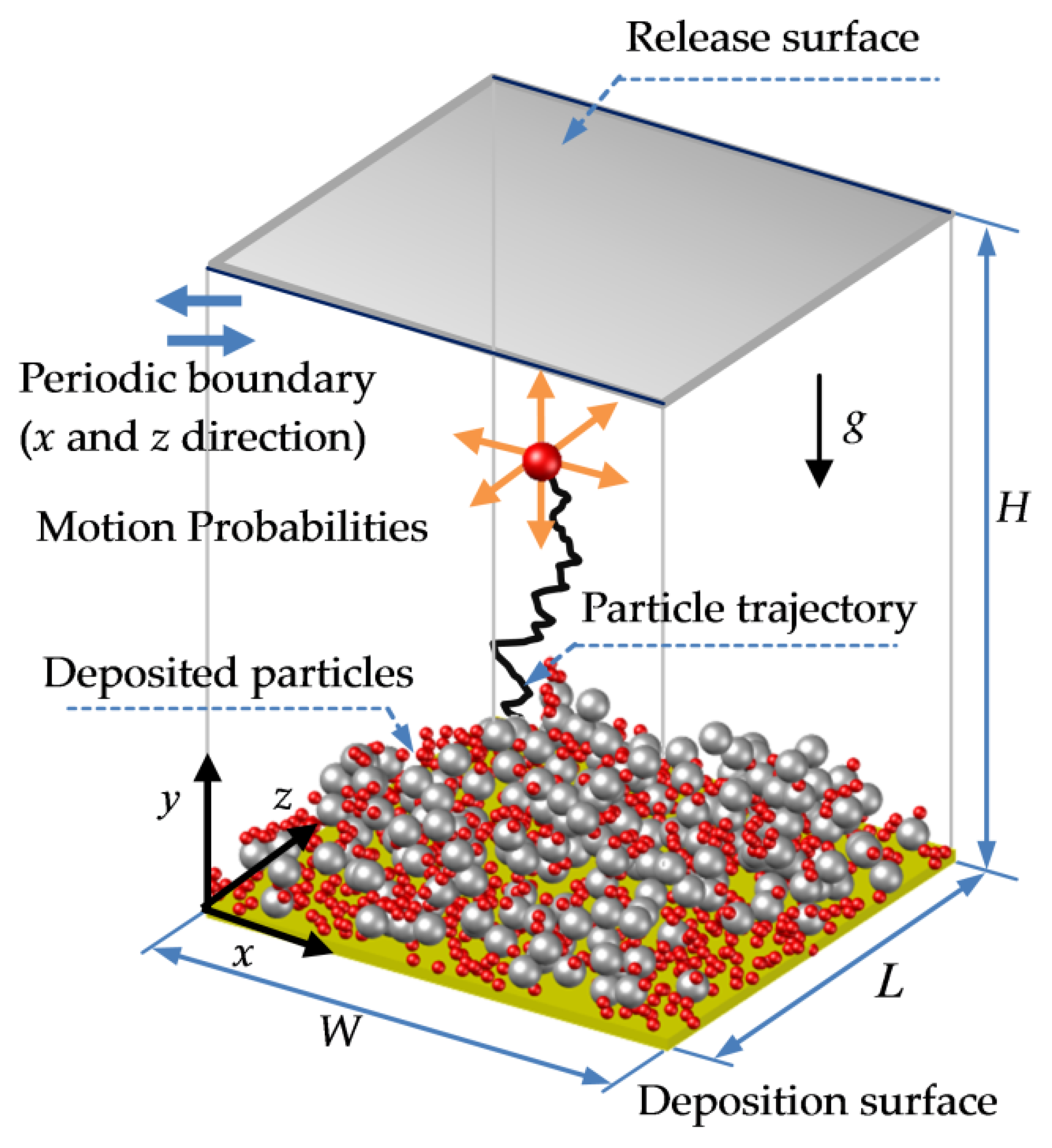
Thirdly, deposition rates can tell us about pollution sources. By studying where certain particles are landing, scientists can track down the origins of pollutants and work to reduce them. Pretty cool detective work, if you ask me!
Other Contenders in the Deposition Race
While dust often takes the deposition crown, there are other particles that can be speedy depositors depending on the circumstances.
For example, larger droplets from rain or sea spray have a high deposition rate. They are big and heavy, so gravity pulls them down quickly.

Also, consider particles that stick together. If tiny particles collide and clump together (a process called aggregation), they effectively become larger and heavier, leading to faster deposition. Think of it like snow forming – individual snowflakes are tiny, but when they clump together, they create big, fluffy flakes that fall quickly.
Dust is the Answer, What Was the Question?
So, which particle has a high rate of deposition? Generally speaking, larger and denser particles, like many forms of dust, are the frontrunners. But the exact answer depends on a bunch of factors, including size, shape, density, and even the weather!
The next time you see dust settling on your windowsill, remember that it's not just a sign you need to clean. It's a reminder of the complex and fascinating world of particle physics, atmospheric science, and the interconnectedness of our planet. Who knew dust could be so thought-provoking?
“To see a world in a grain of sand…” – William Blake… or maybe a particle of dust?
Want to learn more? Do a little search for "particle deposition rate" or "aerosol deposition." You might just find yourself hooked!