Which Of The Following Is Not An Arithmetic Operator
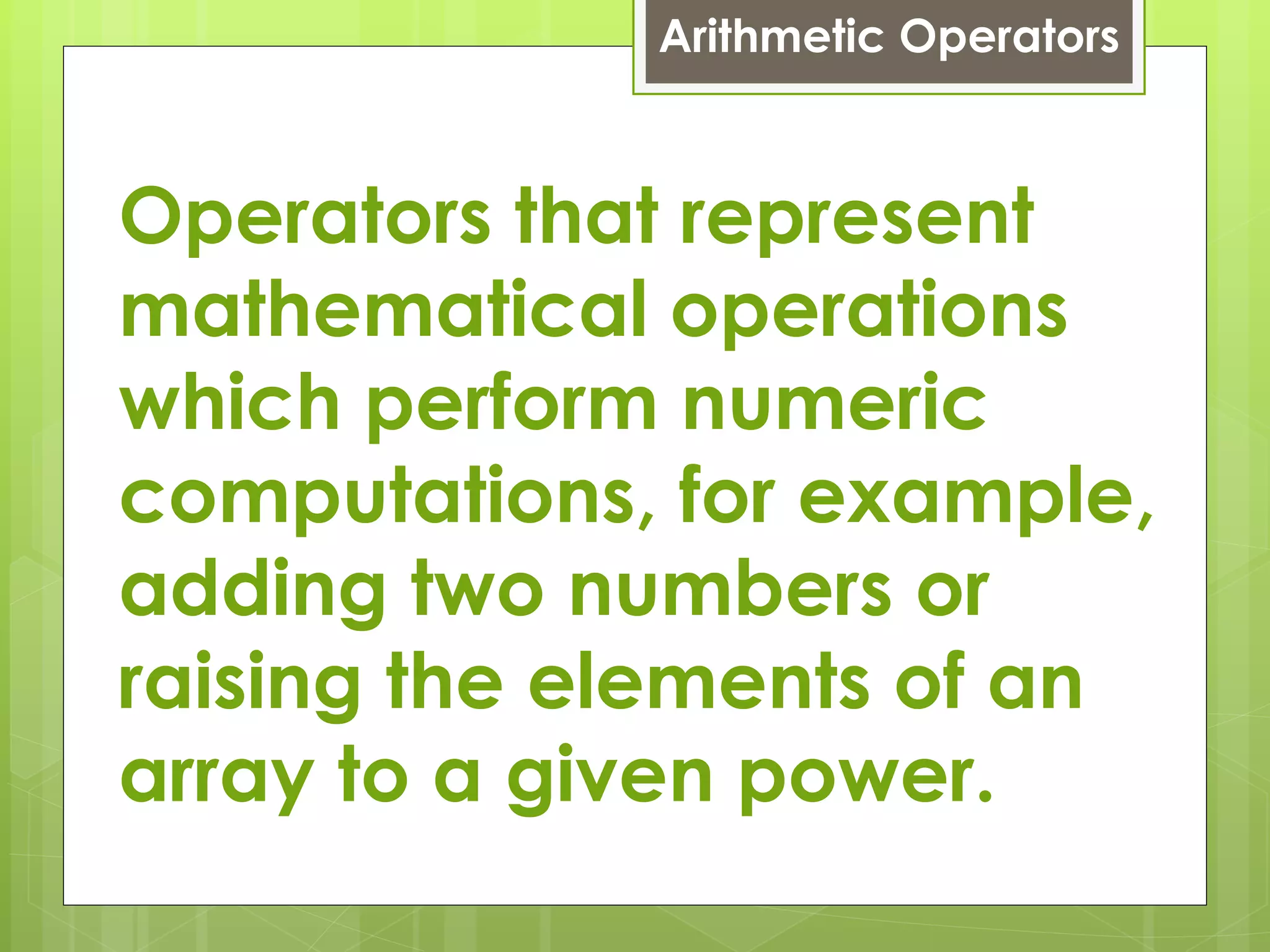
Okay, let's talk about numbers! And not just any numbers, but how we play with them. We're diving into the world of arithmetic operators. Sounds boring, right? Wrong! Think of arithmetic operators as the tiny chefs inside your computer, whipping up calculations to bring your code to life. They're behind everything from calculating your online shopping total to determining the trajectory of rockets! Understanding them is super useful, whether you're a budding programmer or just curious about how things work under the hood.
The question we're tackling today is: Which of the following is not an arithmetic operator? Before we get to the answer, let's quickly recap what arithmetic operators actually do. They're symbols that tell your computer to perform specific mathematical operations.
The core arithmetic operators you'll encounter are:
Must Read
- Addition (+): This is the classic one. It adds two values together. For example, 5 + 3 = 8. Pretty straightforward!
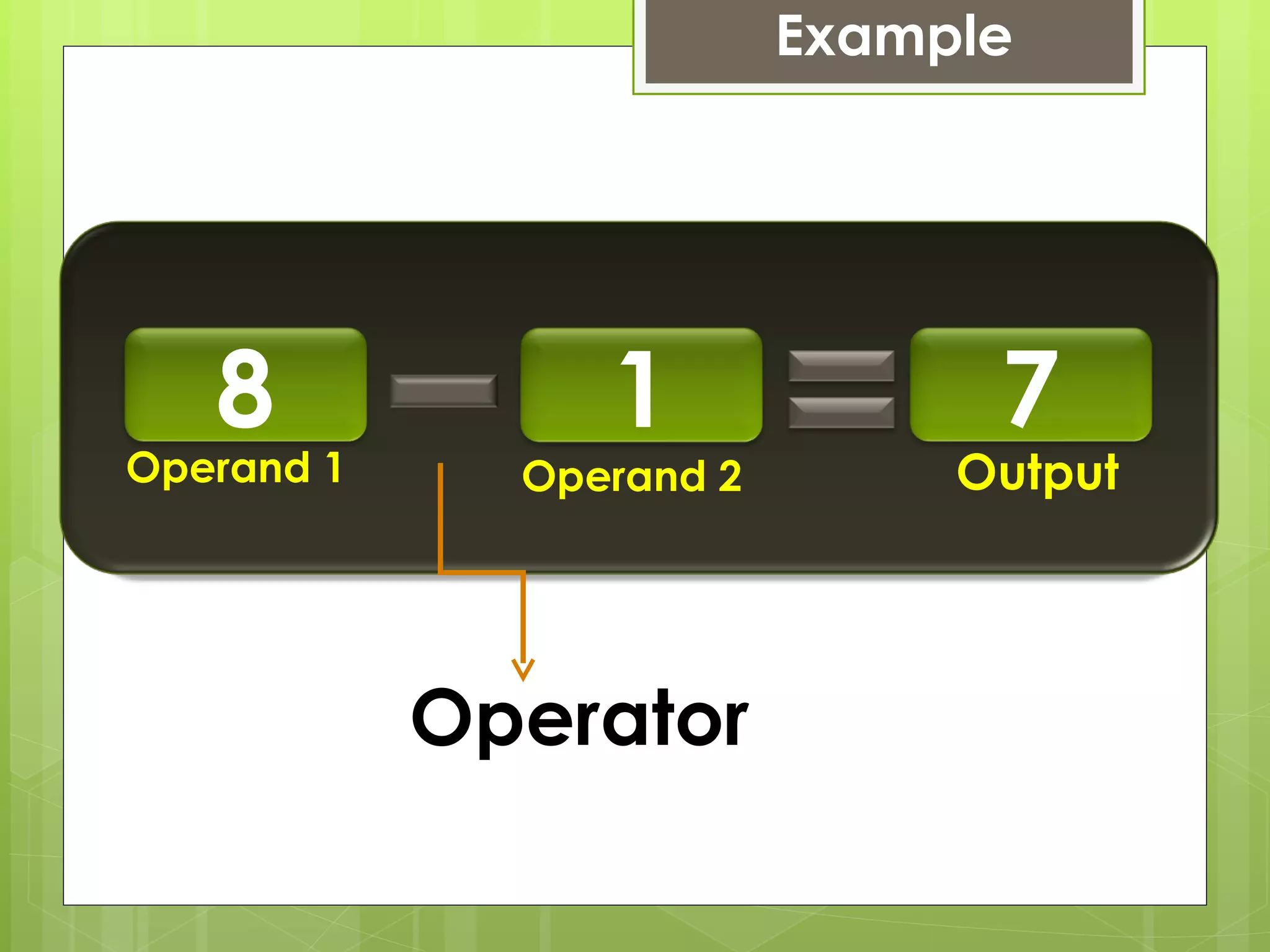
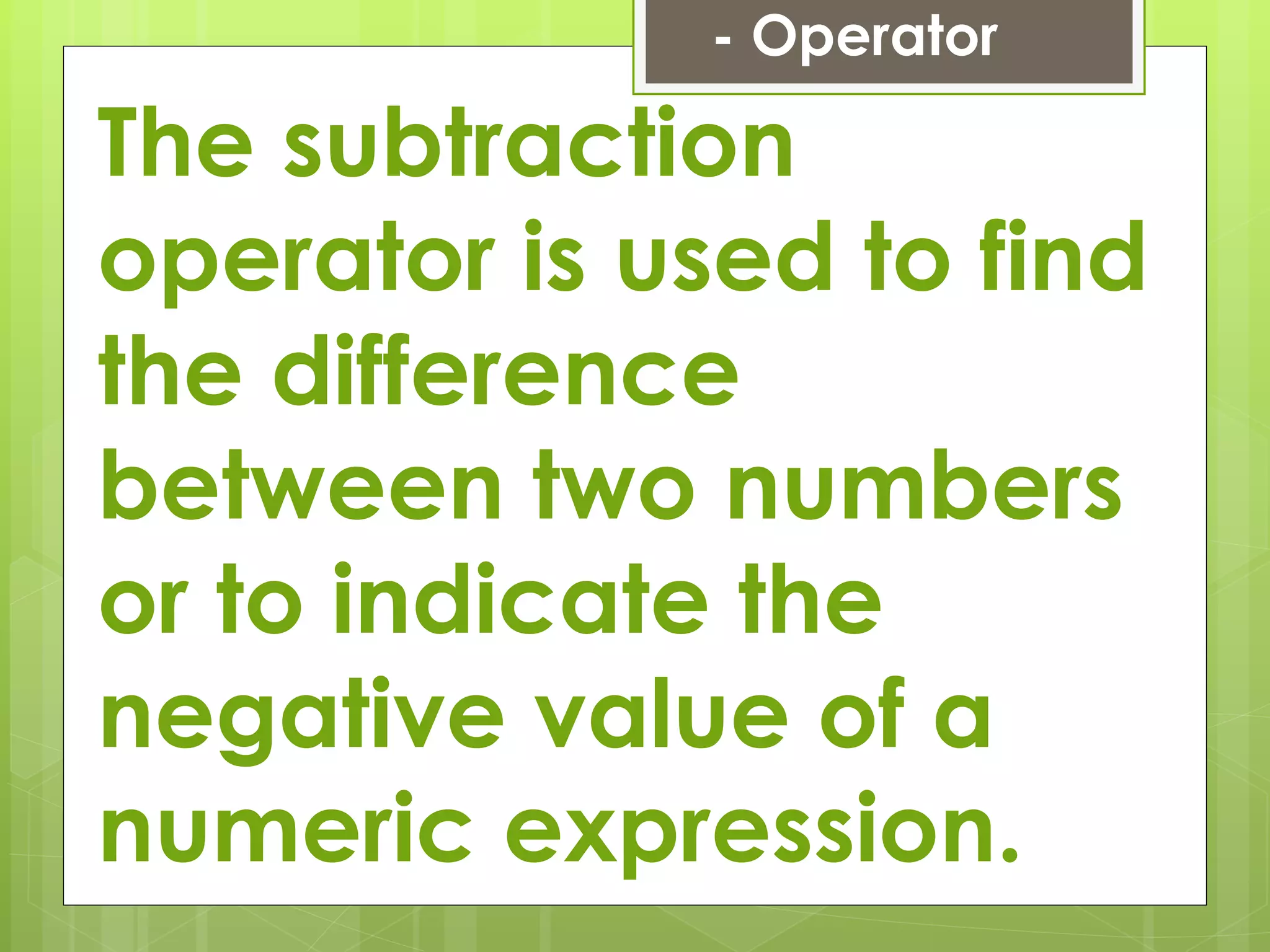
- Subtraction (-): This operator subtracts one value from another. So, 10 - 4 = 6. You're probably using this daily!
- Multiplication (): Time to multiply! This operator multiplies two values. Like, 7 * 2 = 14.
- Division (/): This divides one value by another. For instance, 20 / 5 = 4. Be careful about dividing by zero though! That leads to errors.
- Modulus (%): This often gets overlooked, but it's super handy. The modulus operator returns the remainder of a division. For example, 17 % 5 = 2 (because 17 divided by 5 is 3 with a remainder of 2).
These operators are the building blocks of so many calculations. They're essential for anything that involves numbers – games, financial software, scientific simulations... you name it!
So, why is understanding this important? Well, imagine you're writing a program to calculate the area of a rectangle. You'll need to use multiplication (length * width). If you don't know that * is the multiplication operator, you're stuck! More broadly, knowing what these operators *are helps you read code written by others, debug your own code, and ultimately, build more powerful and interesting programs.
Now, back to our original question. Let's say the options are:
- +
- /
- =
- %
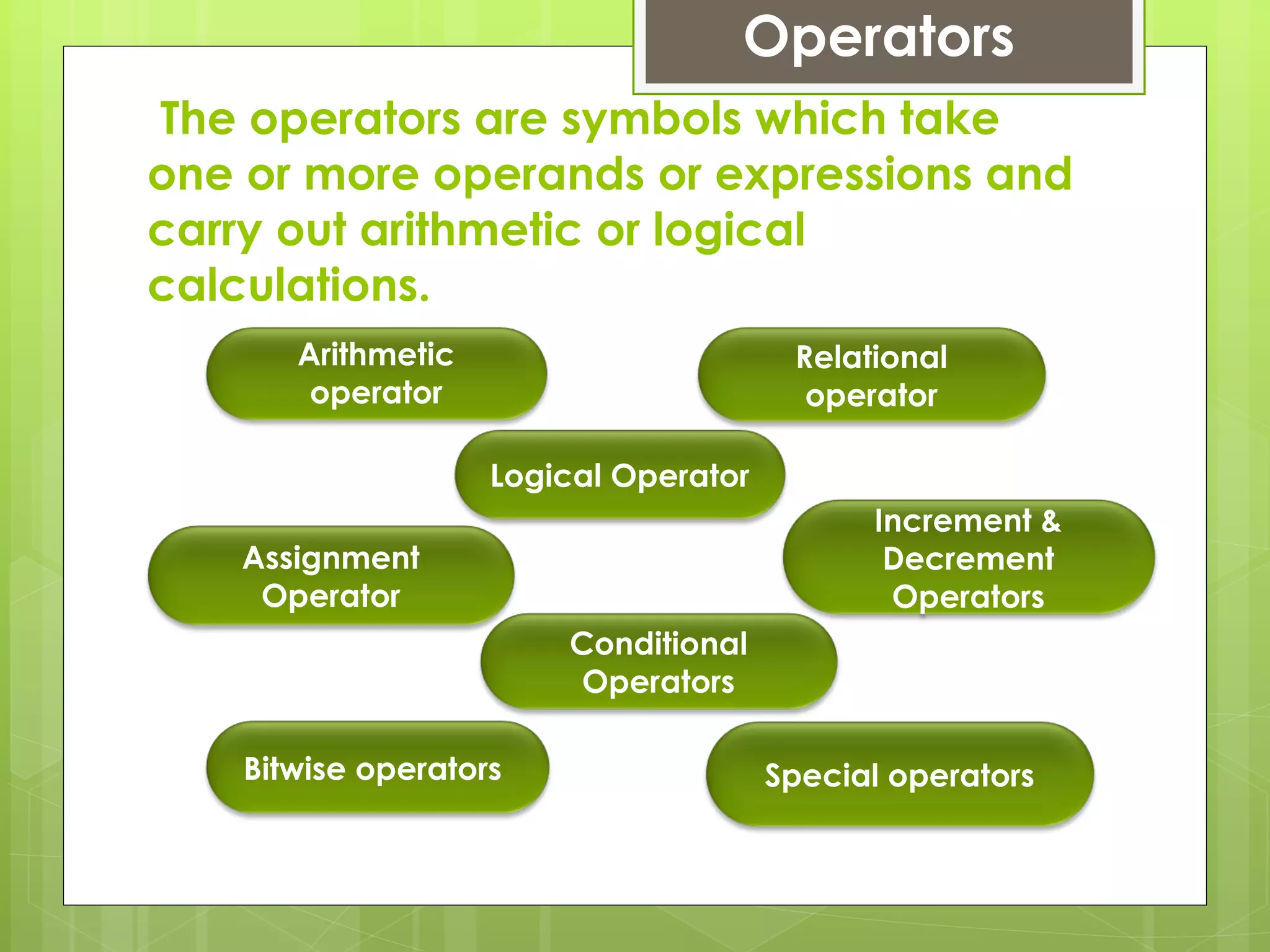
The answer is =. While the equals sign is crucial for assigning a value to a variable (like saying `x = 5`), it doesn't actually perform an arithmetic operation. It's an assignment operator, not an arithmetic one. It takes the result of a calculation (which might involve arithmetic operators) and stores it in a variable.
So there you have it! A quick and easy guide to arithmetic operators. Hopefully, you found this helpful, and remember, even seemingly simple concepts like these are essential for building complex and impressive things in the world of coding!