Which Of The Following Is Not A Primary Source
Okay, let's be real, delving into the world of historical sources might sound a little, well, dry. But trust me, understanding the difference between a primary and secondary source is like unlocking a secret code to understanding anything – history, science, even the news you read online! It's about figuring out who's telling the story firsthand and who's re-telling it, and that's surprisingly empowering.
So, which of the following is NOT a primary source? Well, to answer that, we first need to understand what a primary source is. A primary source is a direct, firsthand account of an event or period. Think of it as being right there at the scene! It's something created during the time period you're studying, or immediately after by someone who experienced it. This can take many forms.
For beginners, understanding this distinction is crucial for critical thinking. Imagine learning about the American Revolution. A primary source would be a letter written by a soldier fighting in the war, or the Declaration of Independence itself. A secondary source? A textbook explaining the American Revolution.
Must Read
For families exploring history together, identifying primary sources can make learning more engaging. Forget boring textbooks! Look at old photographs, read excerpts from diaries, or even listen to recordings of speeches from the past. It brings history to life and sparks curiosity.
Even hobbyists can benefit. If you're into genealogy, birth certificates, marriage licenses, and census records are all primary sources that help you trace your family history. If you collect vintage postcards, those postcards themselves are primary sources offering glimpses into the lives and landscapes of the past.
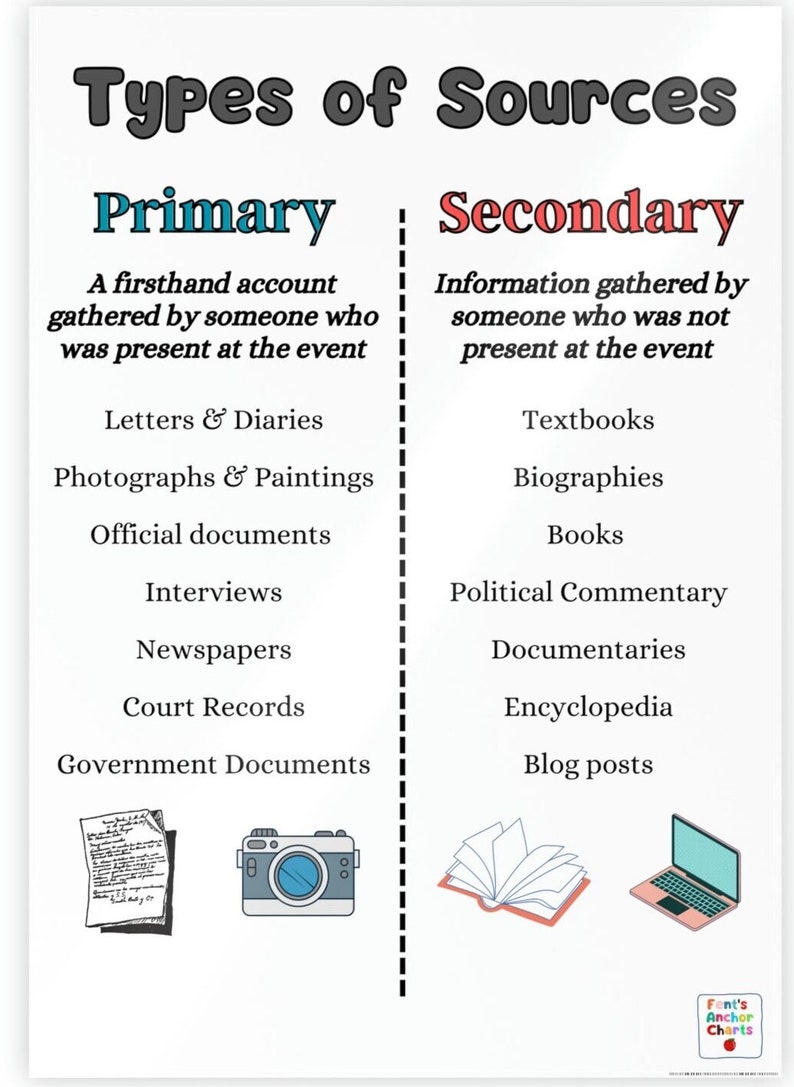
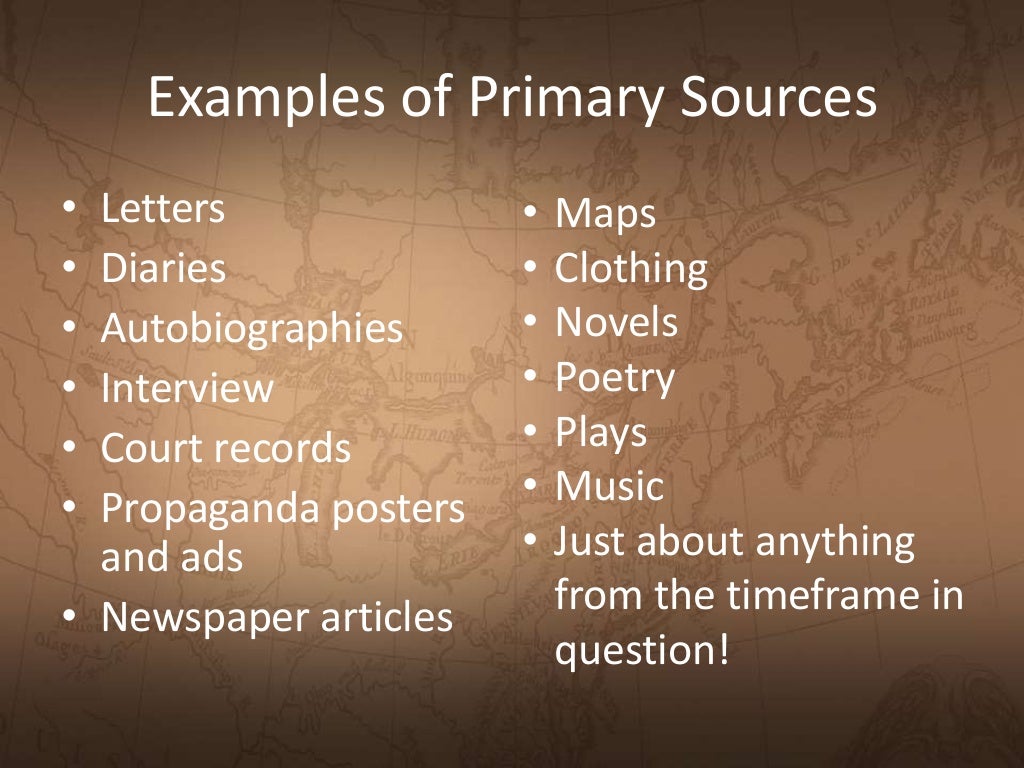
Examples of primary sources are incredibly diverse. They include: diaries, letters, speeches, photographs, artifacts (like tools or clothing), legal documents (like wills or contracts), newspaper articles written at the time of the event, government documents, audio or video recordings, and even works of art created during the period.
On the other hand, secondary sources analyze, interpret, or summarize primary sources. These include: textbooks, biographies, documentaries, scholarly articles, and historical analyses. They're built on top of primary sources. Think of it like this: the historian reads the soldier's letter (primary source) and then writes a book about the war (secondary source).
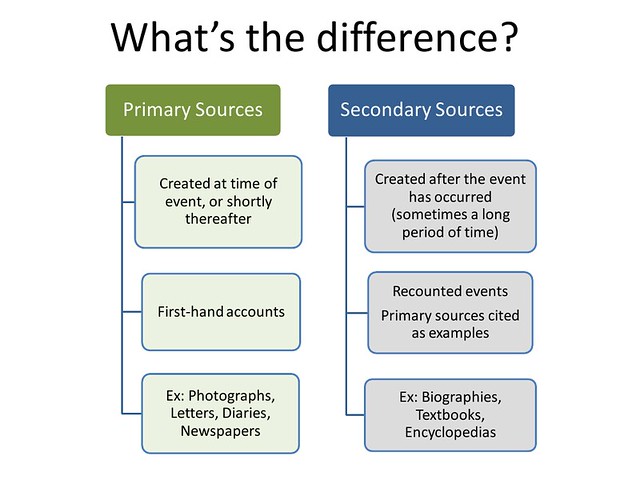
So, what's a quick and easy way to identify a primary source? Ask yourself: Was this created at the time or after the time? Did the creator witness the event firsthand, or are they reporting on what someone else said or wrote?
Practical Tips:
- Consider the context: Where and when was the source created?
- Think about the author: Who created the source and what was their perspective?
- Look for original sources: Libraries, archives, and online databases are great places to find primary sources.
Ultimately, understanding the difference between primary and secondary sources isn't about memorizing definitions. It's about developing a sharper eye for evaluating information and understanding the stories behind the stories. It's about becoming a more informed and engaged citizen. And honestly, that's pretty cool!