
Which Of The Following Is An Ion
Unmasking the Mystery: What's an Ion Anyway?
Alright, let's be real. If someone throws around a word like "ion" at a party, most of us probably nod politely and try to look smart, while secretly wondering if it's some kind of mythical creature or a new brand of fancy soda. But guess what? "Ion" isn't scary at all! It's actually one of the coolest, most energetic little players in the entire universe. And today, we're going to demystify it with some fun, everyday analogies that will have you saying, "Oh, that's an ion!"
Meet the Atom: The Universe's Tiny LEGO Brick
Before we dive into the fabulous world of ions, let's quickly chat about their parents: atoms. Think of an atom as the universe's ultimate, microscopic LEGO brick. Everything you see, touch, and even feel is made up of these tiny wonders. Inside each atom, there's a bustling little party of even smaller particles: protons (positive charges), neutrons (no charge, just chillin'), and electrons (negative charges).
For our ion adventure, the superstars we really care about are the electrons. These little guys are like the mischievous, free-spirited teenagers of the atom family. They love to zoom around the atom's center, sometimes making friends, sometimes causing a bit of a ruckus. Normally, a happy, balanced atom has an equal number of positive protons and negative electrons. Everything is perfectly zen, a total charge of zero.
Must Read
The Drama Begins: When an Atom Becomes an Ion!
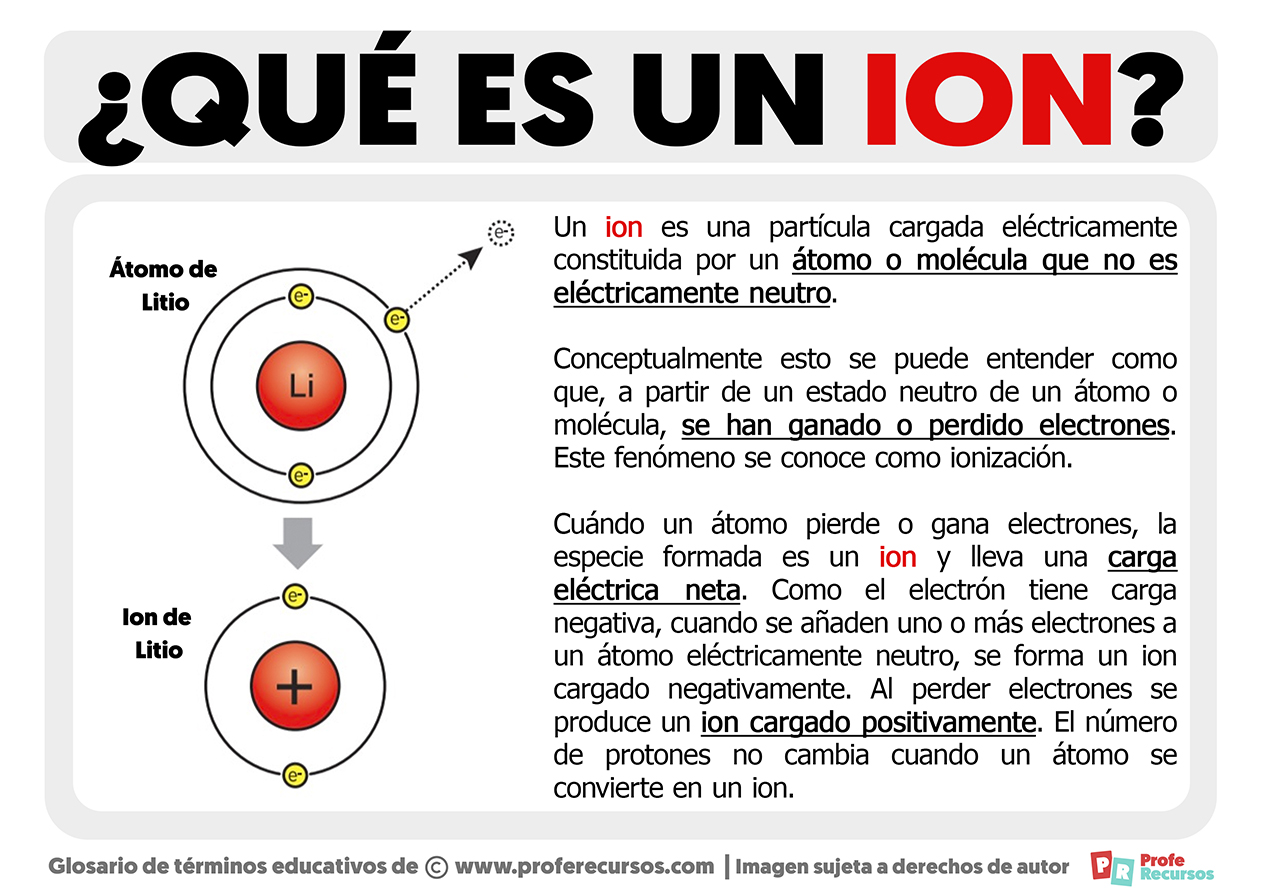
Now, imagine this perfectly balanced atom. It's stable, it's neutral, it's living its best life. But then, something exciting happens! This atom either gains or loses one of its precious electrons. When that electron count gets out of whack, our calm, collected atom suddenly transforms into something completely different. It becomes an ion!
Think of it like a tiny chemical celebrity experiencing a sudden mood swing or a dramatic makeover. This imbalance of positive protons and negative electrons gives the atom an overall electrical charge. It's no longer neutral; it's now officially a charged particle! And that, my friends, is the heart of what an ion truly is.
The Positively Charged Party Animal: Cations!
Let's imagine an atom that decides it's time for a diet. Not of food, but of electrons! When an atom loses one or more of its negatively charged electrons, it's like shedding some heavy negative baggage. Suddenly, with fewer negative charges to balance out its positive protons, the atom becomes overwhelmingly positive!
We call these positively charged ions cations.
Think of it this way: if you lost a bunch of annoying bills (negative things), you'd feel pretty positive, right? A great example of a cation is the sodium ion, written as Na+. Regular sodium metal is highly reactive, but the sodium ion is what makes salt salty and helps your nerves fire! It's a true glow-up!
This Na+ is not just a regular old sodium atom anymore; it's a supercharged version, ready to mingle and make connections. It's like a superhero who shed their civilian clothes and got an instant power-up, complete with a shiny positive glow! So, when you see that little "plus" sign floating above a chemical symbol, you've just spotted a magnificent cation!
The Negatively Charged Rockstar: Anions!
On the flip side, what if an atom goes on an electron shopping spree? When an atom gains one or more extra electrons, it's like suddenly acquiring a whole bunch of extra negative energy. Now, with more negative electrons than positive protons, the atom becomes totally, utterly negative!
These negatively charged ions are known as anions.
Imagine getting a surprise stack of unexpected bills (negative things); you'd probably feel pretty negative, right? A perfect illustration is the chloride ion, shown as Cl-. While regular chlorine gas is toxic, the chloride ion is essential for digestion and fluid balance in your body. From villain to vital!
The Cl- isn't just a basic chlorine atom; it's an atom that's embraced its inner rockstar, loaded up on extra negative energy and ready to electrify! It's like an atom that just got a super-charged battery pack – but it's a negative charge, making it utterly captivating. So, keep an eye out for that tiny "minus" sign next to a chemical symbol – that's your cue that a fierce anion is in the house!
Why Do We Even Care About These Charged Characters? They're Everywhere!
Okay, so atoms gain or lose electrons and become ions. Big deal, right? Actually, it is a big deal! Ions are the unsung heroes of practically everything around us and even inside us. These charged particles are constantly zipping, bumping, and interacting, making our world tick!
Ions in Your Body: Your Personal Power Grid!
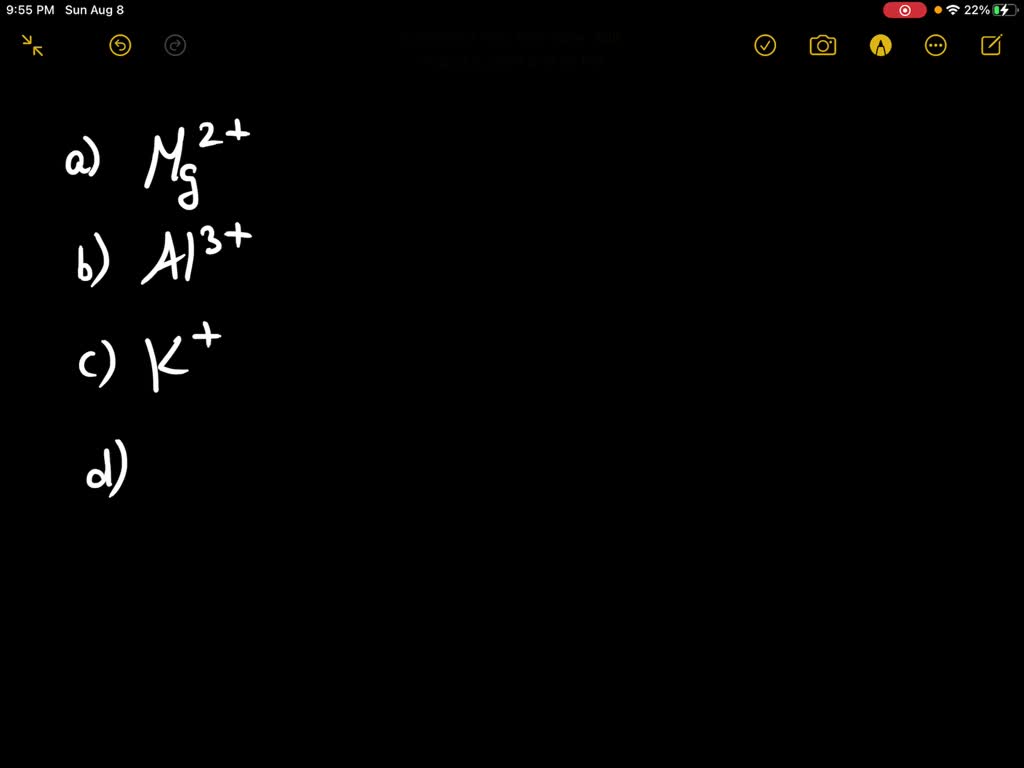
Your body literally runs on ions! Seriously. When you hear about electrolytes in sports drinks, they're talking about ions like sodium (Na+), potassium (K+), and calcium (Ca2+). These tiny charged marvels are what allow your nerves to send signals, your muscles to contract, and your heart to beat.
Without ions, you'd just be a very uncoordinated, un-thinking blob. So, the next time you feel a burst of energy, give a silent shout-out to the incredible ions working tirelessly within you! They are the true electrical workers of your internal system, ensuring everything fires perfectly.
Everyday Ion Superstars: From Salt to Batteries!
Take ordinary table salt, for instance. It's not just "sodium" and "chlorine." It's actually a beautiful, crystalline bond between our two celebrity ions: the positive sodium ion (Na+) and the negative chloride ion (Cl-). Together, they form sodium chloride, adding flavor and essential nutrients to our lives.
Batteries? Those little powerhouses that keep your phone alive and your remote clicking? They work because of the controlled movement of ions from one end to another, creating an electrical current. Without ions, our modern, gadget-filled world would simply grind to a halt.
Even "hard water" gets its reputation from ions! The presence of positively charged calcium ions (Ca2+) and magnesium ions (Mg2+) is what makes your tap water leave those annoying mineral deposits. See? Ions are even responsible for your cleaning chores!
And static electricity? That little shock you get after shuffling across a carpet or rubbing a balloon on your hair? That's often an imbalance of electrons, making things temporarily ionic and creating a momentary charge difference. Ions are truly the mischievous pranksters of the electrical world!
The Big Reveal: How to Spot an Ion in the Wild!
So, if someone asks you, "Which of the following is an ion?", how do you confidently pick it out? It's surprisingly easy once you know the secret handshake! Look for a chemical symbol – like Na for sodium or Cl for chlorine – but with a tiny, tell-tale superscript number and a plus or minus sign.
If you see Na+, Cl-, K+, Ca2+, O2-, or anything similar, you've found an ion! That little plus or minus sign (sometimes with a number if multiple electrons were gained or lost) is the universal symbol for a charged atom. It's like their personal superhero emblem, proudly announcing their charged status to the world!
So, the next time you're faced with a list of chemical formulas, just remember our little electron drama. If it's got that sassy little charge symbol, congratulations, you've identified an ion! You're officially an ion-spotting extraordinaire!
You're an Ion Expert Now!
See? "Ion" isn't a complex, mind-boggling scientific term after all. It's just an atom that's either gained or lost an electron, giving it an electrical charge and turning it into a tiny powerhouse. These little charged particles are fundamental to life, technology, and everything in between.
So next time you hear the word, don't look confused. Instead, flash a knowing smile and remember the positive party animals and negative rockstars that make our world so wonderfully, electrically alive. You've got this, future ion-guru!