
Which Of The Following Is A Major Electrical Hazard

Hey! Grab your coffee (or tea, I don’t judge!), and let's chat about something kinda shocking. No, not that reality TV show – I mean actual electrical hazards! Because let's be real, electricity is amazing... until it's not.
So, picture this: We’re hanging out, and I ask you point-blank, "Which of the following is a major electrical hazard?" What springs to mind? Is it that dusty old lamp you've been meaning to replace for, like, a decade? Or maybe that extension cord snaking across the living room floor that you totally haven't tripped over... more than three times?
We've all been there, right? Ignoring those little warning signs, thinking, "Eh, it'll be fine." Famous last words! Let's break down some serious contenders for the "Major Electrical Hazard" award.
Must Read
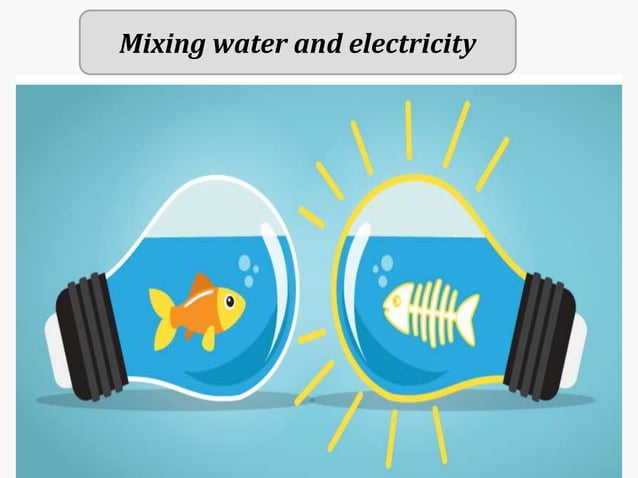
Water and Electricity: A Match Made in... Hell?
Okay, this one's a classic. We all know it, we've all heard it: Water and electricity DO NOT MIX! It's like oil and water, except way more likely to kill you. Seriously. Think about it – water conducts electricity. So, dropping your hairdryer in the bathtub? Huge no-no. Even damp hands when dealing with electrical outlets are a gamble. Don’t be a statistic! Dry those mitts!
Ever seen those old cartoons where someone gets electrocuted and their hair stands on end? Yeah, that’s not exactly how it goes down, but the message is clear. Avoid water and electricity at all costs. Consider GFCI outlets in your bathrooms and kitchen. They’re like tiny electrical superheroes, ready to trip the circuit if something goes wrong.
Damaged Cords: The Silent Killers
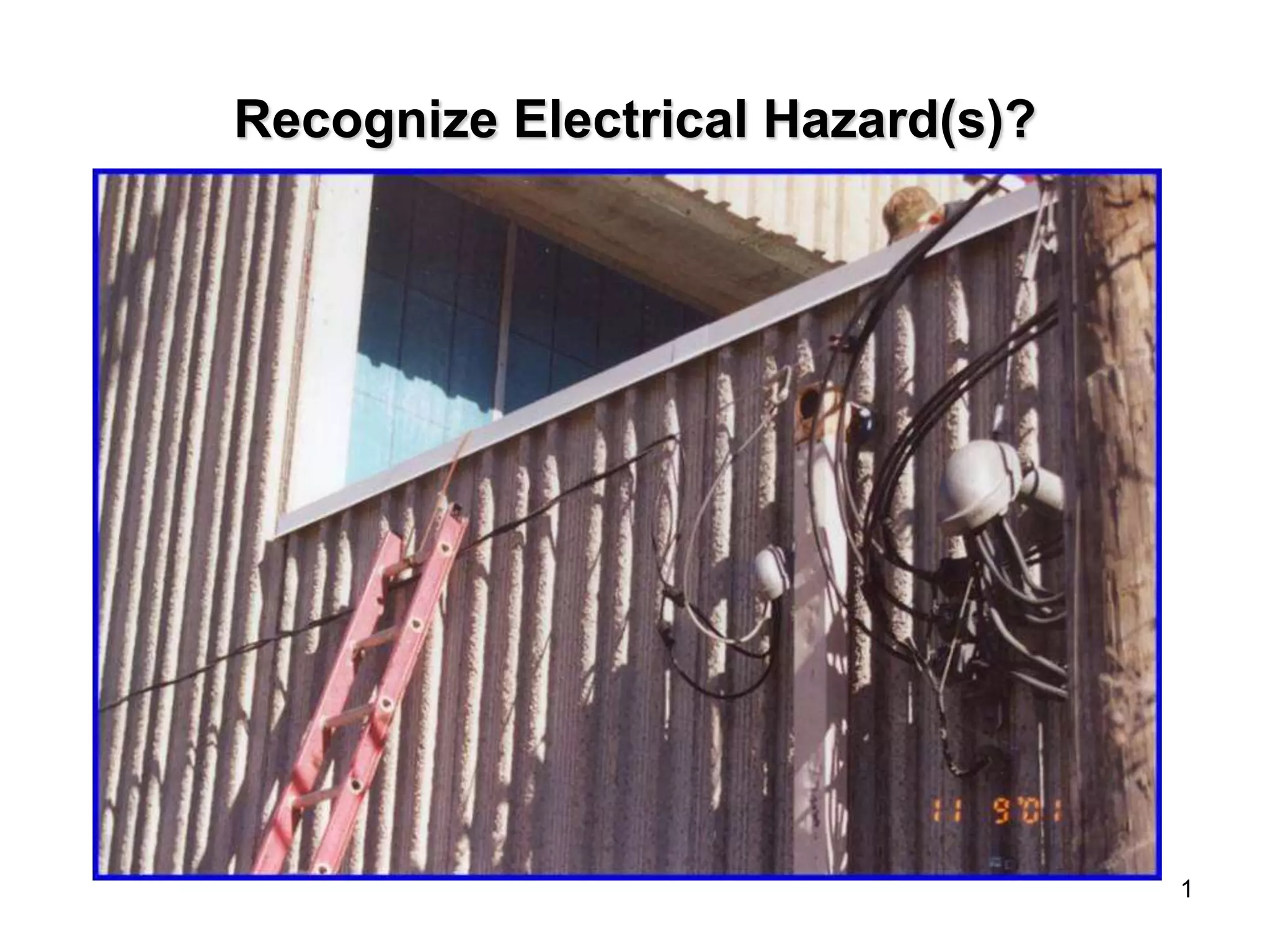
Next up, we have damaged cords. Oh, the tangled, frayed, taped-together monstrosities we've all got lurking somewhere! A little nick in the insulation? Seems harmless, right? Wrong! That's an open invitation for a shock.
Think of it this way: the insulation is like the protective armor for the wires inside. If that armor's gone, the electricity can escape and find its way to you. Ouch! Always inspect your cords regularly. If you see any damage – fraying, cracking, exposed wires – replace the cord or the entire appliance. Is that cute vintage lamp REALLY worth risking your life? (Probably not).
Overloaded Circuits: Party Time... for Sparks!
Ever plugged too many things into one outlet? Maybe you were setting up a Christmas light extravaganza or running a space heater, a microwave, and a hairdryer all at once. What happens? The breaker trips! And that's a good thing! The breaker is doing its job, preventing a much bigger problem: an overloaded circuit.
Overloaded circuits are a fire hazard. The wires get hot, the insulation melts, and boom! You've got a fire. Don't try to be an electrical engineer by bypassing the breaker or using a too-high amperage fuse. Trust me, you'll regret it. Use power strips with surge protectors, but even then, be mindful of what you're plugging in. It's better to be safe than sorry… and definitely better than turning your house into a bonfire.
DIY Electrical Work: Are You Sure About That?
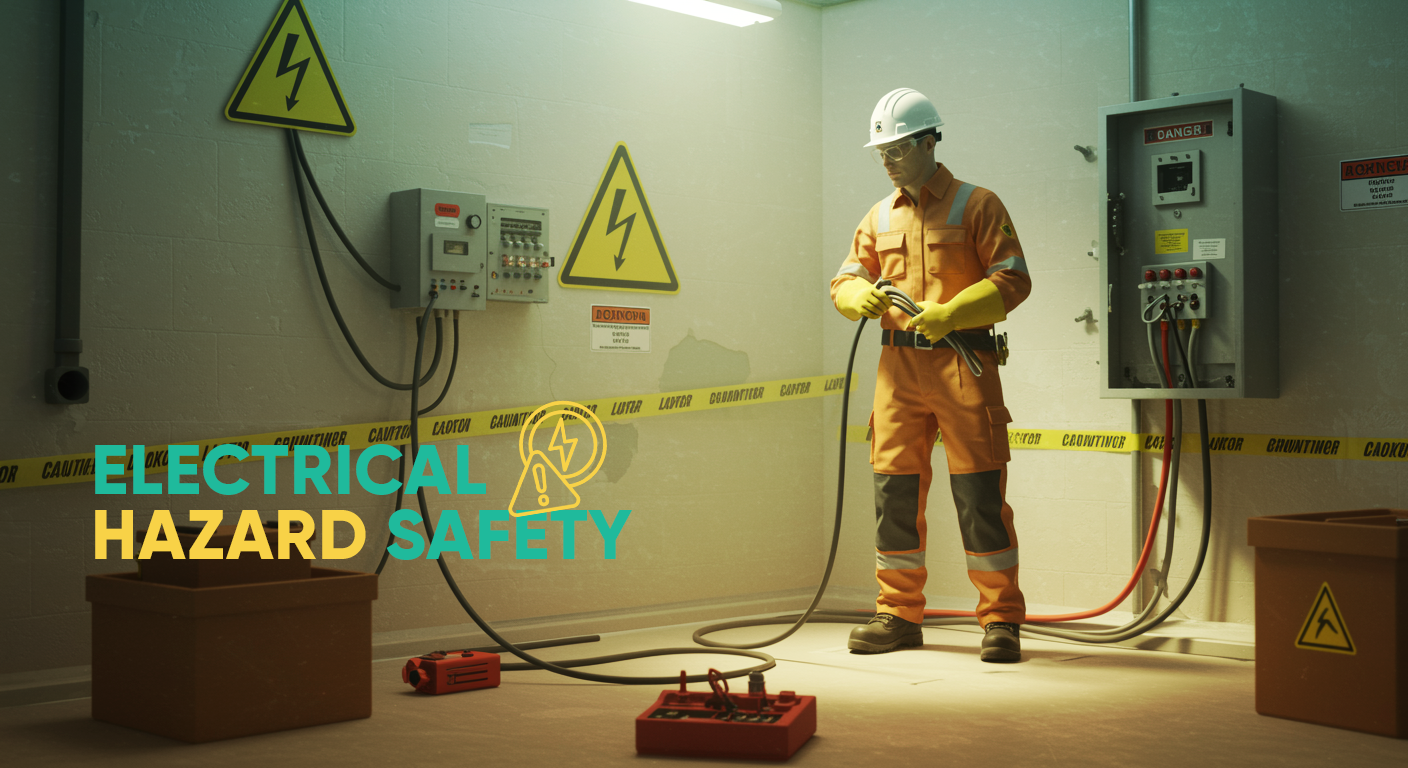
Look, I admire your ambition. You want to save money by rewiring your own house? Good for you! But unless you're a qualified electrician, leave electrical work to the professionals. I cannot stress this enough! Electricity is not something to mess around with. Even a seemingly small mistake can have devastating consequences.
Think about it: you could miswire something, create a short circuit, or even electrocute yourself. Is saving a few bucks really worth risking your life and the lives of your loved ones? (Again, probably not!). So, swallow your pride, call a professional, and let them handle the tricky stuff.

So, What's the Biggest Hazard?
Honestly? They're all pretty bad! Water and electricity, damaged cords, overloaded circuits, and amateur electrical work – they’re all contenders for the "Major Electrical Hazard" title. The key takeaway is to be aware of the risks and take precautions to prevent accidents.
Stay safe, stay smart, and keep the electricity flowing where it's supposed to – in your appliances, not through your body! Now, go check your cords… I’ll wait.
And hey, thanks for hanging out! Maybe next time we can talk about… I don’t know… proper toaster etiquette? (Just kidding… mostly).