
Which Of The Following Elements Is A Nonmetal
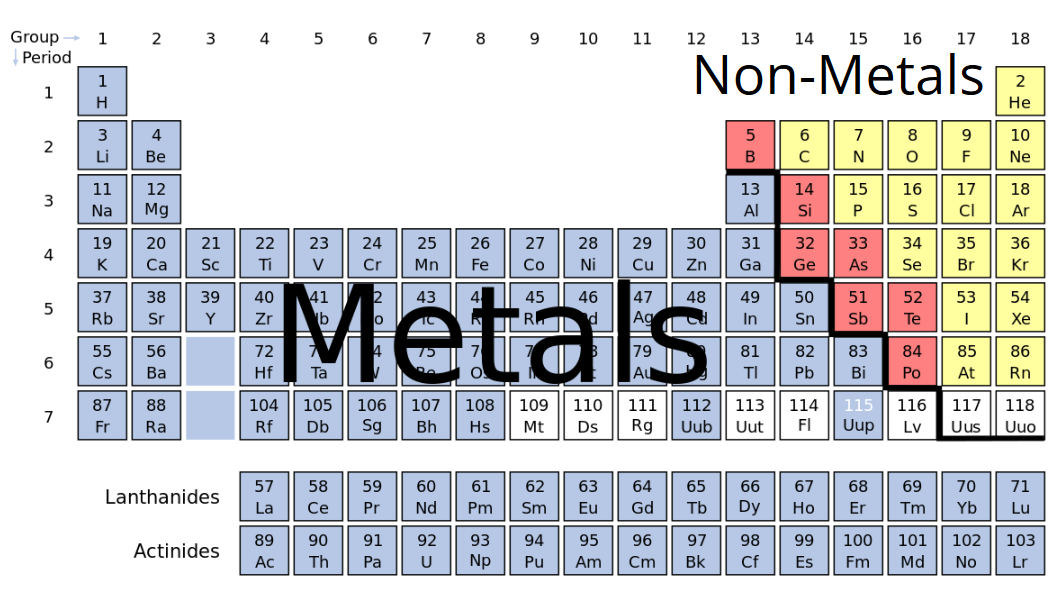
Alright, gather 'round, folks! Imagine we're at this super chill café, you've got your lattes, and I'm about to drop some knowledge bombs on… gasp…chemistry! Don't run away screaming just yet! I promise this won't be like that time your high school teacher tried to explain quantum physics using only interpretive dance. We're talking about something way more down-to-earth: nonmetals.
Now, you might be thinking, "Nonmetals? Sounds boring!" But hold your horses! These guys are actually the quirky underdogs of the periodic table. They're not as flashy as the metals, who are all about being shiny and conducting electricity like rockstars. Nonmetals? They’re more about… well, not being those things. And sometimes, that's even cooler!
So, picture this: you're at a chemistry party (because, why not?). There are metals flexing their electron muscles, passing current like they're running a marathon. Then you see a group in the corner, chilling, maybe wearing some questionable fashion choices (because, hey, it's a chemistry party). That's your nonmetal crew.
Must Read
The Burning Question: Which One's the Oddball?
The big question we’re tackling today is: Which of the following elements is a nonmetal? Let's say we've got a lineup:
* Sodium (Na) * Iron (Fe) * Chlorine (Cl) * Copper (Cu)Think of it like a chemical "Who Wore It Best?" competition. Who’s rocking the nonmetal vibe the hardest?

Let's eliminate the suspects, shall we? First up, Sodium. Sodium (Na) is like that super enthusiastic kid who loves fireworks a little too much. It's an alkali metal, which means it reacts explosively with water. Seriously, don't try that at home. I learned that the hard way... okay, not really, but it sounds more dramatic, right?
Next, Iron (Fe). Iron is the strong, silent type. It's the backbone of buildings, the hemoglobin in your blood (giving it that lovely, uh, metallic taste... don't lick your blood, by the way). It's a metal through and through, always ready to rust and form awesome sculptures.
Then we have Copper (Cu). Copper's the reliable friend who always brings the charger. It's fantastic at conducting electricity, making it perfect for wiring. And it has that cool, reddish-orange hue. Copper is a metallic MVP!

That leaves us with… drumroll please… Chlorine (Cl)! Chlorine is our winner!
Chlorine: Nonmetal Superstar
Chlorine is a greenish-yellow gas that smells a bit like... well, a swimming pool. And that's because it's used to disinfect them! But don’t let the pool vibes fool you. Chlorine is a halogen, a group of nonmetals known for their reactivity. They’re basically the divas of the nonmetal world, always causing a stir.
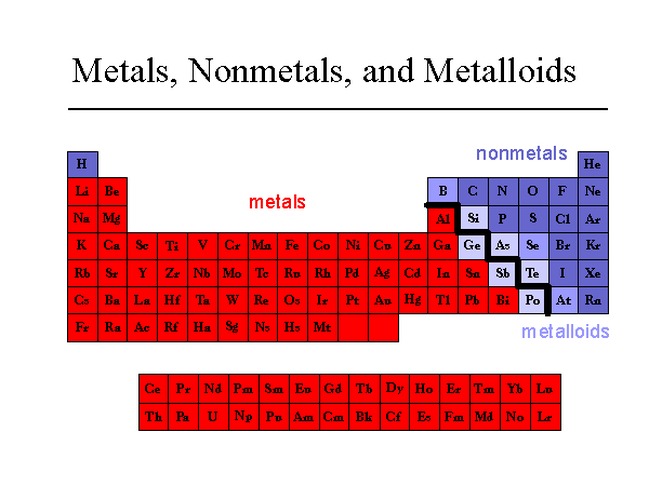
Unlike metals, chlorine doesn’t conduct electricity well (sorry, no rave parties for Chlorine!), and it’s definitely not shiny. It prefers to hang out in diatomic molecules (Cl2), bonding with another chlorine atom to feel complete. Think of it as chlorine needing its best friend to feel confident at the chemistry party.
Fun fact: Chlorine was used as a chemical weapon during World War I. Yeah, not the friendliest element when weaponized. Let’s stick to using it for keeping our pools clean, okay?
Why Chlorine is Definitely a Nonmetal:

So, What's the Big Deal with Nonmetals?
Okay, so they aren't shiny rockstars. What makes nonmetals so important? Well, for starters, they're essential for life! Carbon, hydrogen, oxygen, and nitrogen – all nonmetals – form the backbone of all organic molecules, meaning they're literally the building blocks of you, me, and that suspiciously moldy sandwich in the back of your fridge.
Plus, nonmetals have a wide range of uses: Sulfur is used in fertilizers and matches. Phosphorus is crucial for DNA and ATP (energy currency of cells). And let’s not forget the noble gases like helium, which make our voices sound like cartoon characters when we inhale them (don’t overdo it!).
The bottom line? Nonmetals may not be the flashiest elements on the periodic table, but they're essential, versatile, and sometimes downright quirky. So, next time you see a swimming pool, remember Chlorine, the nonmetal superstar keeping it clean! And give a little thanks to all the nonmetals that make life as we know it possible. Now, who's up for another latte?