
Which Of The Following Elements Are Transition Metals
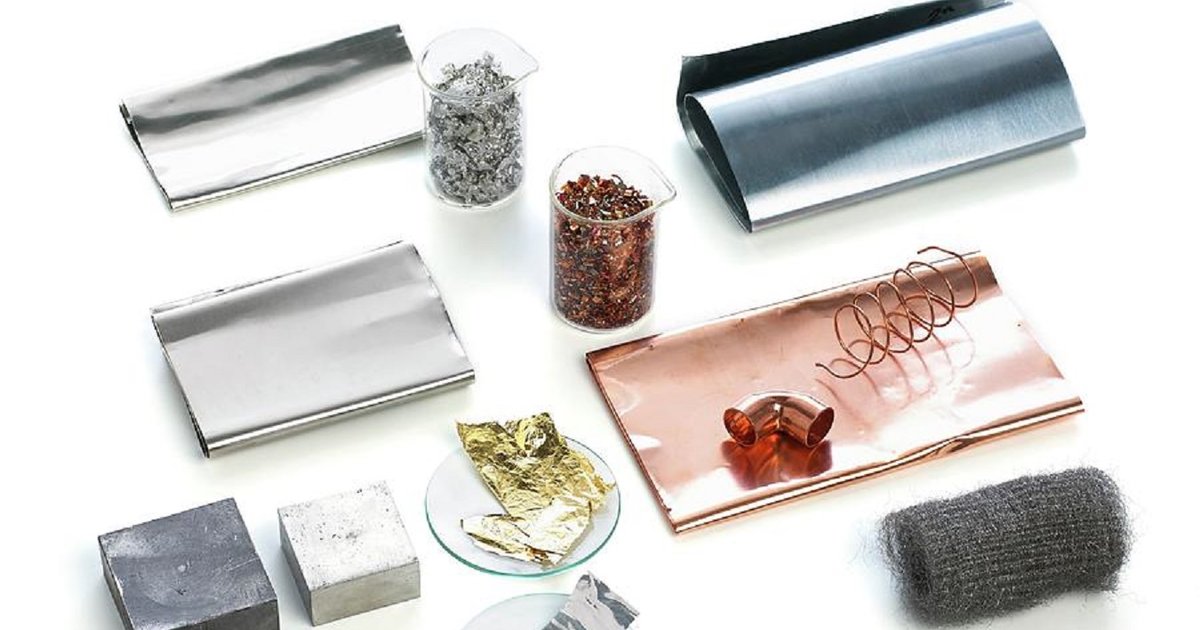
Hey there, curious minds! Ever wondered about those elements on the periodic table that are always causing a stir? You know, the ones that seem to have a little extra something going on? We're diving into the wonderful world of transition metals today! Think of them as the rockstars of the element world – always forming cool compounds and exhibiting a range of vibrant colors.
So, what exactly are transition metals? And how can we spot them in a lineup? Good questions! Let's get started.
What Makes a Metal... a Transition Metal?
First off, let's remember what makes a metal a metal. Generally speaking, metals are shiny (think gold jewelry!), conduct electricity well (like copper wires), and are malleable and ductile (meaning you can hammer them into sheets or draw them into wires). But transition metals are a bit more specific. Think of them as the specialized tools in your toolbox - each with a unique purpose and ability.
Must Read
To be a transition metal, an element needs to have an incomplete d subshell (or be able to form ions with an incomplete d subshell). Woah, hold up! Subshell? What's that? Okay, picture the electrons orbiting the nucleus of an atom in different "energy levels," like floors in a building. Each floor has different "rooms," or subshells, that electrons can occupy. The d subshell is just one of those rooms.
Now, imagine this d subshell isn't quite full. This is where the magic happens! These partially filled d orbitals allow transition metals to form multiple oxidation states (meaning they can lose different numbers of electrons when bonding), which leads to those colorful compounds and fascinating chemical properties.
Spotting Transition Metals on the Periodic Table
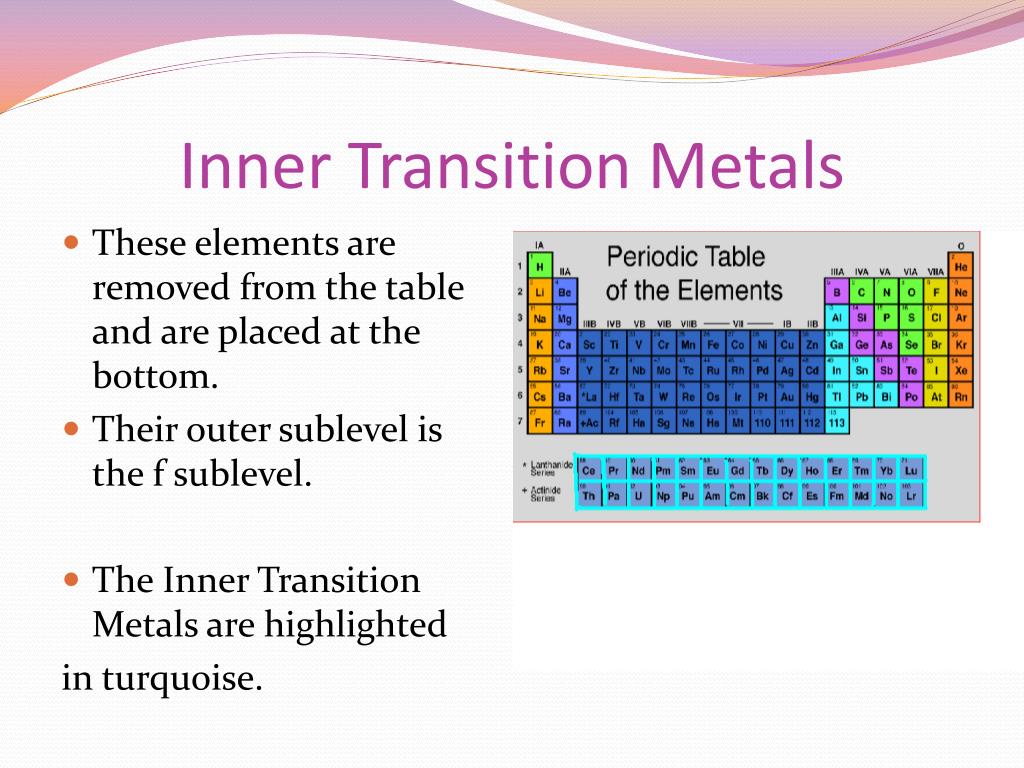
So where do we find these fascinating elements? Generally, they're clustered in the d-block of the periodic table – that big block in the middle that runs from Group 3 to Group 12. Think of it like a VIP section on the periodic table dance floor!
But here's a little twist! Not every element in that d-block is always considered a true-blue transition metal. Elements like Zinc (Zn), Cadmium (Cd), and Mercury (Hg) technically sit in the d-block, but they usually don't count. Why? Because they always have completely full d subshells, both in their elemental form and in their common ions. They're more like honorary members of the club.
Think of it this way: They've got the looks of a transition metal, but they don't have the chemistry of a transition metal. They're invited to the party, but they're not quite on the dance floor showing off their moves!

Examples: Which Ones Are Actually Transition Metals?
Okay, let's put this knowledge to the test! Here are a few examples. Let's see if we can identify the real transition metal deal:
- Iron (Fe): A classic! Iron is definitely a transition metal. It's got an incomplete d subshell and forms ions with different charges, like Fe2+ and Fe3+. Plus, it's essential for life – it's in our blood!
- Copper (Cu): Another winner! Copper is used in wiring because it conducts electricity so well, and its compounds are often beautifully colored. It readily forms Cu+ and Cu2+ ions.
- Calcium (Ca): Nope! Calcium is an alkaline earth metal, found in Group 2. It doesn't have any partially filled d orbitals. Think strong bones, not colorful compounds.
- Titanium (Ti): Yes! Titanium is lightweight, strong, and corrosion-resistant, making it perfect for airplanes and even artificial hips. Its ability to form multiple oxidation states makes it a very useful metal.
- Sodium (Na): Negative. Sodium is an alkali metal in Group 1. Like calcium, it doesn't have any partially filled d orbitals.
- Gold (Au): Absolutely! Gold is famed for its resistance to tarnish and its malleability. It is another classic transition metal.
Remember the key: Are there partially filled d orbitals (or can it form ions with partially filled d orbitals)? If yes, then you've likely got a transition metal on your hands!
Why Are Transition Metals So Cool, Anyway?
Besides their colorful compounds and various oxidation states, transition metals play crucial roles in many aspects of our lives. They're used as catalysts to speed up chemical reactions, are found in pigments and dyes, and are essential components of many enzymes in our bodies.
Consider the process of making plastics. Many industrial processes rely on transition metal catalysts to speed up the polymerization reactions. Or think of the beautiful colors in stained glass – often due to the presence of transition metal ions.
So next time you're admiring a piece of jewelry, marveling at the vibrant hues of a painting, or simply breathing (thanks to the iron in your blood!), take a moment to appreciate the amazing properties of transition metals. They're the unsung heroes of the element world, constantly at work behind the scenes, making our lives brighter and more colorful! Now, isn't that something to get excited about?
