
Which Of The Following Does Copyright Not Protect
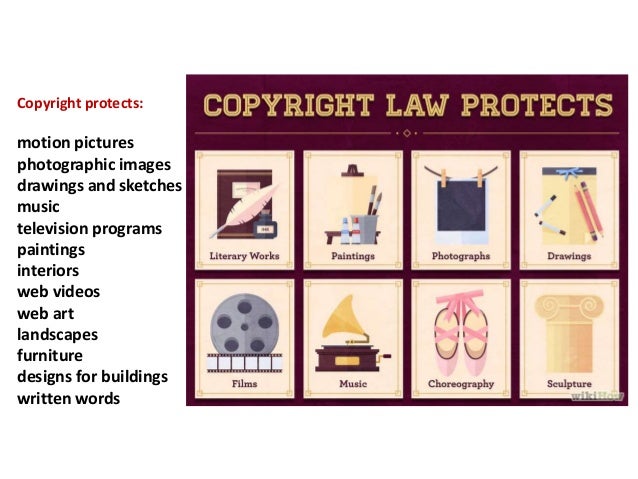
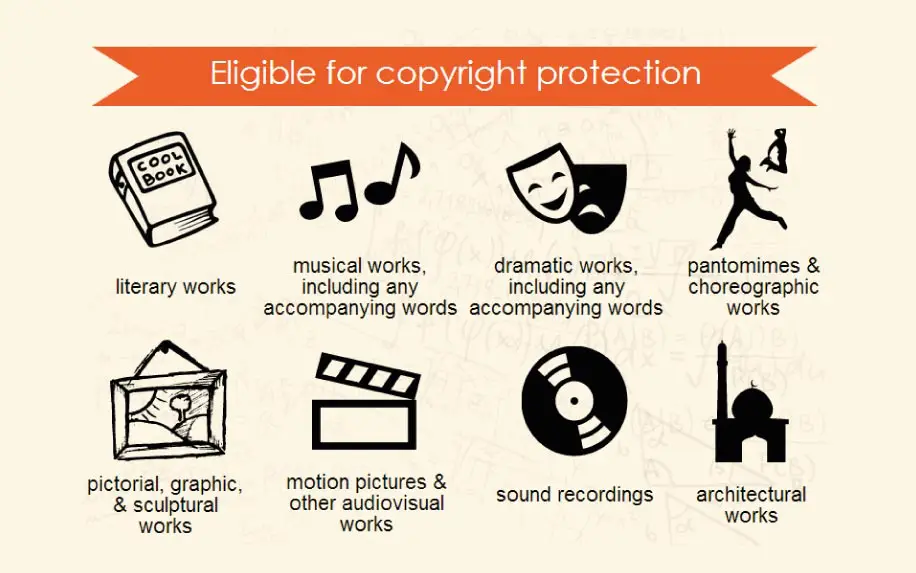
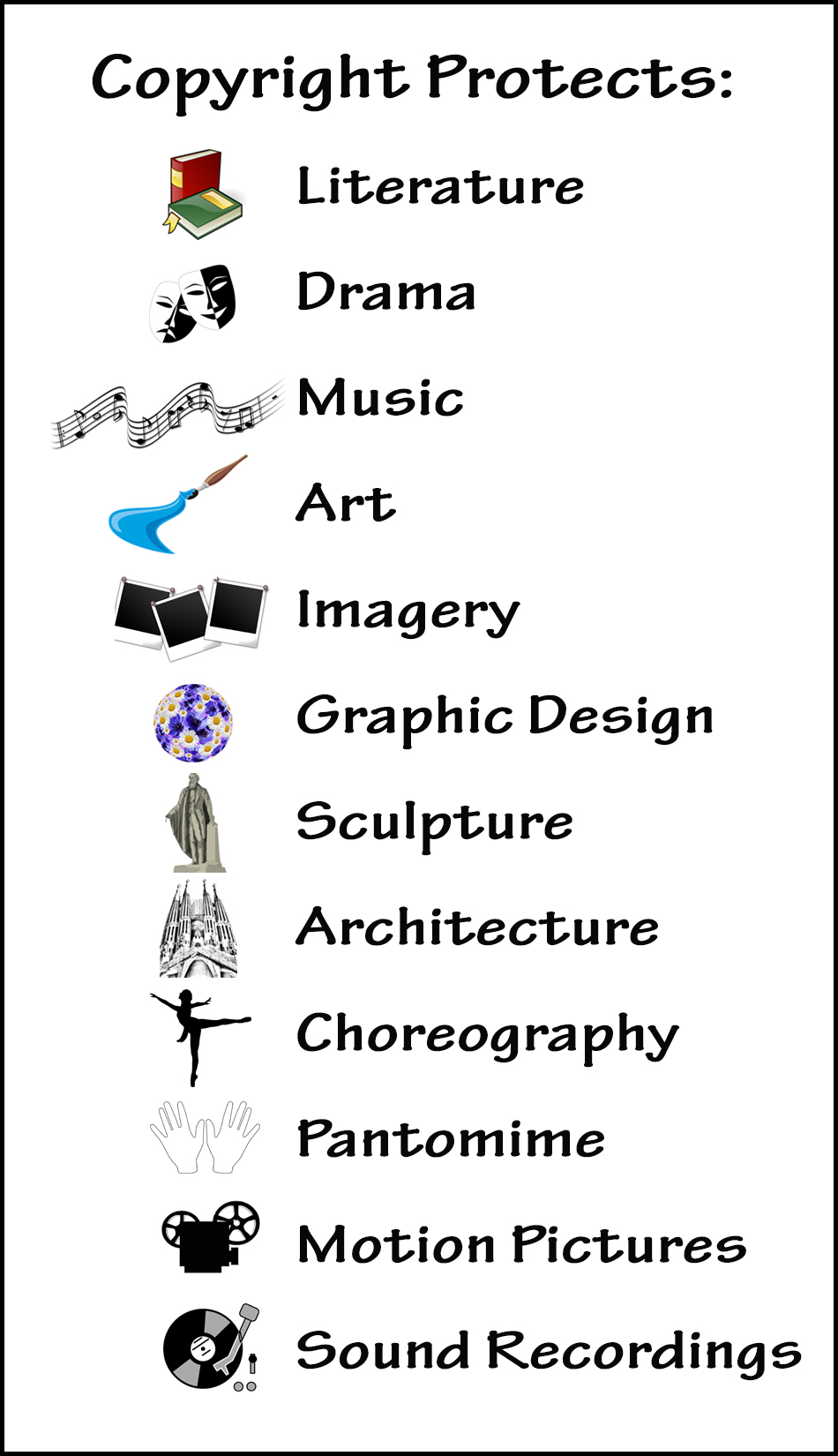
Copyright! It's that invisible shield protecting your favorite songs, books, and movies. But like any good superhero shield, it has its limits.
Ever wondered what that shield doesn't cover? Prepare to be surprised!
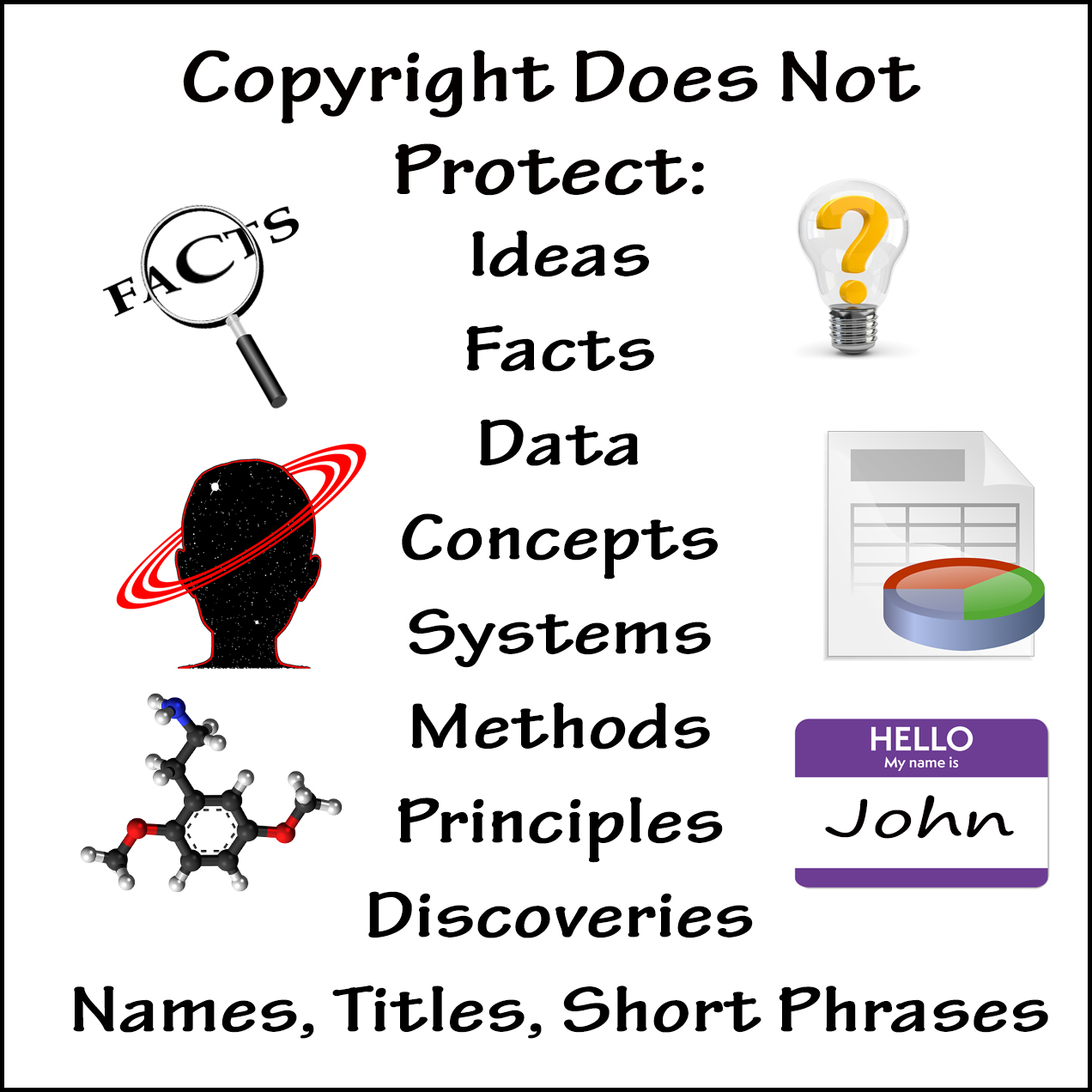
Ideas: The Wild Horses of the Mind
Imagine you have a brilliant idea for a story: a talking dog who solves crimes! Copyright can't stop someone else from writing about a crime-solving canine.
Must Read
It only protects the specific way you express that idea: your characters, plot, and dialogue.
Think of it like this: copyright protects your specific recipe for chocolate chip cookies, not the idea of baking chocolate chip cookies.
The Great Idea Race
This is why you see so many similar stories and movies. The core idea might be the same – boy meets girl, good versus evil – but the execution is different.
It's a bit like a race to bring an idea to life in the most unique and engaging way!
The first person to fully express the idea gets the protection, but the idea itself remains free for everyone.
Facts: Truth is Stranger (and Freer) Than Fiction
Copyright doesn't protect facts. History books can all describe the same historical events.
News articles can report the same current events. The information itself is free for all to use.
This is crucial for learning and progress! Imagine if only one person could write about the discovery of penicillin!
The Freedom of Information
However, the way facts are presented can be protected. The specific wording of an article or the unique selection and arrangement of facts in a documentary.
You can't copy someone's entire article verbatim, even if it's all factual. That's plagiarism and violates copyright!
It's a delicate balance between protecting creativity and promoting the free flow of information.
Titles, Names, and Short Phrases: Snippets of Speech
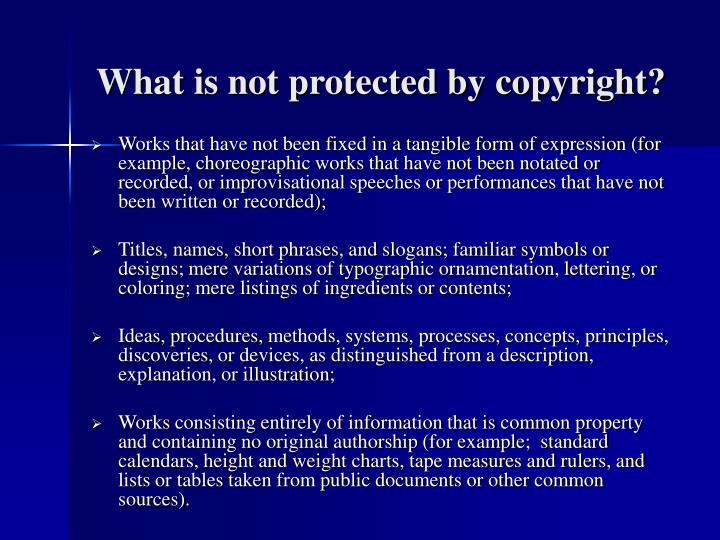
Copyright generally doesn't protect titles, names, or short phrases. You can't copyright the title "Romeo and Juliet".
Imagine if you could! Shakespeare would be a very busy lawyer.
This allows for parody, commentary, and general use of common language.
Trademark vs. Copyright: A Friendly Rivalry
There's a catch! While copyright doesn't protect names and titles, trademark law might.
Trademarks protect brand names and logos. Think "Coca-Cola" or the Nike swoosh.
So, while you can't copyright "Batman," DC Comics has trademarked it to prevent others from using it to sell unrelated products.
Works of the U.S. Government: For the People, By the People
Anything created by the U.S. government is in the public domain. That means anyone can use it, for free!
This includes photos taken by NASA, reports from government agencies, and speeches by presidents.
It's our tax dollars at work, contributing to the collective knowledge and creativity of the world.
A Treasure Trove of Information
This public domain status has fueled countless documentaries, educational resources, and artistic creations.
It allows us to learn from our government's work and build upon it.
Think of all those stunning images of space from NASA! They're free for anyone to use, inspiring generations.
Works in the Public Domain: Time Heals All (and Frees All)
Copyright doesn't last forever! Eventually, works enter the public domain.
This means they're free for anyone to use, adapt, and remix.
The length of copyright varies depending on when the work was created and other factors, but eventually, everything becomes fair game.
The Renaissance of the Public Domain
When a work enters the public domain, it can experience a renaissance! New interpretations, adaptations, and remixes breathe new life into old classics.
Think of all the modern adaptations of Sherlock Holmes! They're possible because the original stories are now in the public domain.
It's a beautiful cycle of creation and re-creation, fueled by the freedom of the public domain.
Unfixed Works: Fleeting Moments in Time
Copyright generally protects works that are "fixed in a tangible medium." That means it has to be written down, recorded, or otherwise captured.
An impromptu speech, a fleeting dance move, or a live performance that isn't recorded generally isn't protected by copyright (although other areas of law like rights of publicity might apply to protect a person's likeness or performance).
It's like trying to catch smoke. Unless you capture it, it dissipates into the air.
The Ephemeral Nature of Art
This highlights the ephemeral nature of some art forms. Live performances and improvisational works rely on the moment and the interaction with the audience.
While these moments may not be protected by copyright in the traditional sense, their unique and unrepeatable quality makes them all the more special.
Think of a street performer captivating a crowd. The magic is in the moment, not in a fixed recording.
Parody: A Fair Laugh
Copyright law allows for parody, which is a work that imitates another work for humorous or satirical purposes.
This is a tricky area, but generally, if your parody transforms the original work and adds something new, it's considered fair use.
Think of Weird Al Yankovic's song parodies! They're protected under fair use because they transform the original songs into something new and funny.
The Power of Satire
Parody is a powerful tool for social commentary. It can poke fun at societal norms, challenge authority, and make us think critically about the world around us.
Without the ability to parody, satire would be stifled, and our cultural landscape would be much less vibrant.
It's a delicate balance between protecting copyright and allowing for creative expression and social critique.
So, next time you're creating something, remember the limits of copyright. It's a powerful tool, but it's not a magic shield that protects everything.
Understanding what copyright doesn't protect can unlock new creative possibilities and inspire you to think outside the box!
Go forth and create, knowing the rules of the game. And remember, sometimes the best ideas are the ones that are free for everyone!