
Which Manuka Honey Brand Is The Best

Alright, settle in, folks! Let's talk about something near and dear to my, and possibly your, heart (and throat): Manuka honey. That golden, goopy goodness that costs more than my first car (a truly magnificent rusty orange Pinto, RIP). But is it worth the hype? And more importantly, which jar of this liquid gold is actually worth mortgaging your house for?
First things first, let's be real. The world of Manuka honey is a wild place. There are more labels, numbers, and acronyms than you'd find in a NASA control room. MGO? UMF? NPA? It's enough to make your head spin faster than a bee after a double espresso. It’s like they want to confuse us! But fear not, my friends, I'm here to be your honey sherpa, guiding you through this sticky situation.
Decoding the Honey Hype
So, what makes Manuka honey so special? Well, it comes from bees that pollinate the Manuka tree, native to New Zealand. This tree, apparently, is some kind of super-plant, imbuing the honey with, allegedly, miraculous properties. We're talking antibacterial superpowers, wound-healing wizardry, and a flavor that's… well, let's just say it’s stronger than your average bear, or rather, bee.
Must Read
Now, about those acronyms… MGO stands for methylglyoxal. This is the big kahuna, the main compound believed to be responsible for Manuka honey’s magical properties. The higher the MGO number, the more potent (and pricier) the honey.
UMF, or Unique Manuka Factor, is another rating system. Think of it as the MGO’s slightly more complicated cousin. UMF takes into account other factors besides MGO, giving you a more… holistic view of the honey's quality. A UMF of 10+ is generally considered to be therapeutic. Anything less is basically just expensive sugar.

NPA simply correlates to UMF – think of it as another way to slice the honey-cake. So, if you see NPA, usually there is a UMF value in paratheses or somewhere close to it.
The surprising fact? Not all honey labeled "Manuka" is actually the real deal. Gasp! Some less-than-scrupulous producers have been known to dilute their honey or even, gasp again!, sell fake Manuka. So, buyer beware!

The Great Manuka Honey Brand Showdown
Alright, let's get down to brass tacks (or should I say, honeycomb). Which Manuka honey brand reigns supreme? Unfortunately, there's no single "best" brand, it all depends on what you're looking for. But I can give you my, and the internet's, highly subjective, and possibly biased, opinions.
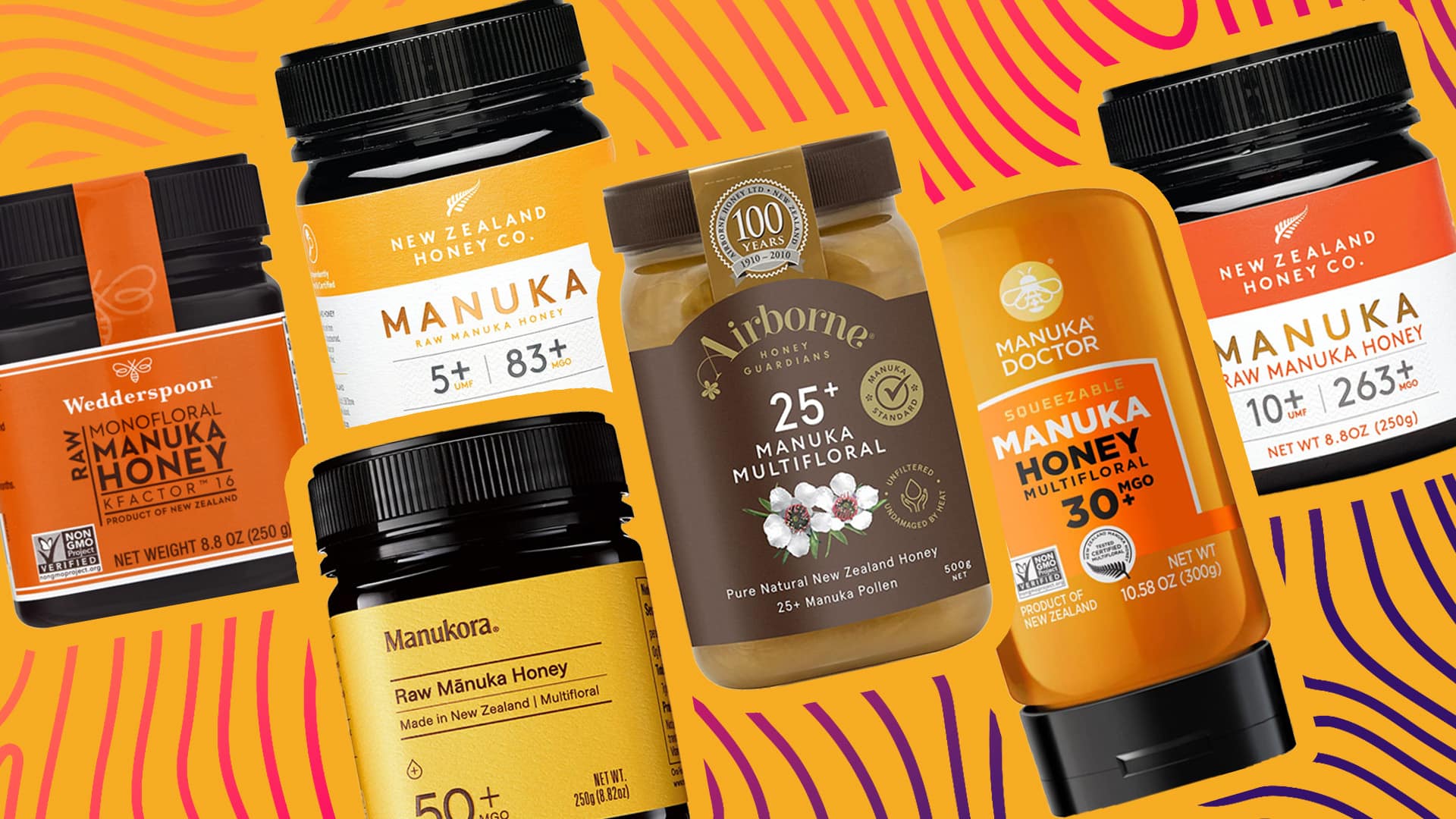
First, let's talk about Comvita. This is like the Coca-Cola of Manuka honey. Widely available, generally reliable, and a good starting point if you're new to the game. They offer a range of MGO and UMF ratings, so you can choose your potency level. It's not the cheapest option, but it’s also not going to bankrupt you. Unless, of course, you decide to bathe in it. Please don’t bathe in it.
Next up, Manukora. These guys are all about transparency and traceability. They've got QR codes on their jars that let you track your honey back to the specific hive it came from. Talk about knowing your food! Their honey is also known for its smooth, creamy texture. The prices are a bit higher, but you're paying for that fancy traceability and, honestly, the cool factor.
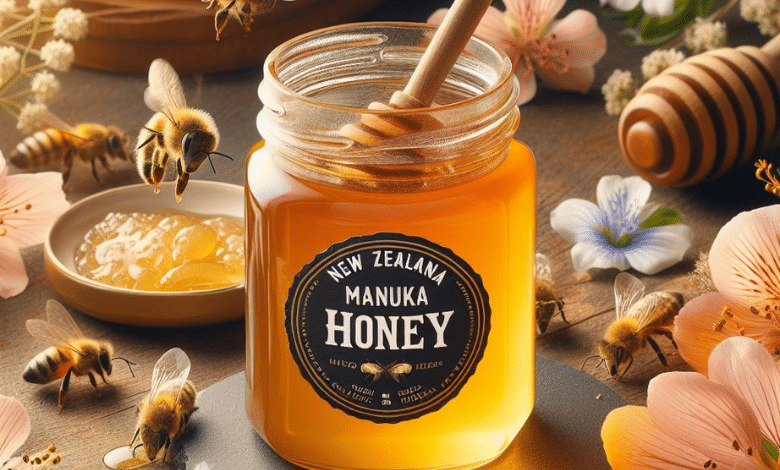
Then there's Wedderspoon. They are usually at a lower price point than Comvita or Manukora, making them a decent option for people who don't want to sell a kidney to afford honey. The taste is slightly less intense than some of the others, but for everyday use, this is a good, affordable choice.
Finally, if you're feeling fancy and have money to burn, check out some of the smaller, artisanal Manuka honey producers. You might find some hidden gems with unique flavors and ridiculously high MGO ratings. Just make sure they have proper certifications to ensure you're getting the real deal.
The Verdict (Sort Of)
So, which Manuka honey brand is the best? It depends! Are you looking for reliable and widely available? Go with Comvita. Want to impress your friends with your honey knowledge? Manukora. On a budget? Wedderspoon might be your honey match. Want to roll the dice and discover a hidden gem? Explore the smaller producers.
Ultimately, the best way to find your favorite is to try a few different brands and see what you like. Just remember to look for those MGO and UMF ratings, and always buy from reputable sources. And most importantly, don’t believe everything you read on the internet (except for this, of course!).
Now, if you’ll excuse me, I’m going to go make myself a cup of tea with a spoonful of my precious Manuka honey. After all, writing about honey is hard work, and I deserve a little treat. Cheers!