
Which Is The Most Accurate Statement About Trade
Okay, let's talk trade! Not like, "trading lunchables" trade, but global, economy-shaping trade. Seriously, who knew economics could be… well, kind of interesting?
Trade: It's Complicated (But We Can Handle It)
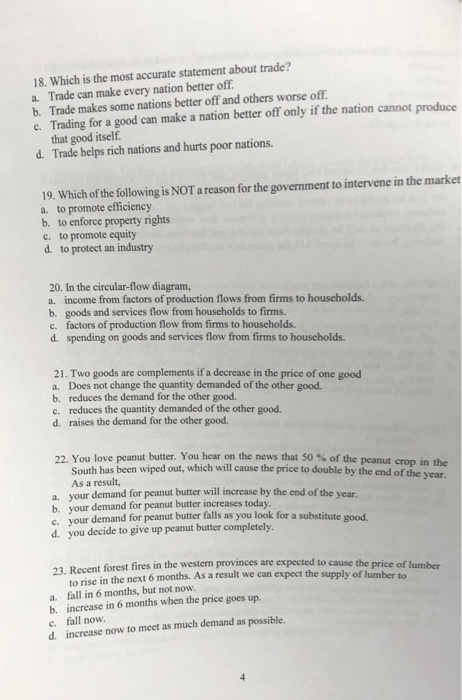
So, the million-dollar question: what's the most accurate statement about trade? There are tons of opinions flying around. Some say it's a job killer. Others claim it's an engine of growth. Who's right? Buckle up, it's a bumpy ride!
First up: The "Trade is Evil" Brigade. They argue that imports steal jobs and exploit workers in other countries. Picture this: robots replacing factory workers while multinational corporations sip fancy cocktails. Sounds dramatic, right?
Must Read
Then, we have the "Trade is Awesome!" cheerleaders. They shout from the rooftops about lower prices, more choices, and economic development. Think about it: you can buy avocados in December! Trade, folks, trade!
The truth? It's usually somewhere in the middle. Surprise! Just like that awkward family dinner where everyone has a different opinion on everything.
Debunking the Myths
Let's bust some myths, shall we?
Myth #1: Trade always kills jobs. False! While some jobs do disappear due to competition, trade also creates new opportunities. Think about the people who design, market, and ship those avocados! Plus, those cheaper goods give consumers more money to spend on other things, which boosts other industries.
Myth #2: Trade benefits everyone equally. Nope. Sorry to burst your bubble. Some industries and workers gain more than others. That's why it's super important to have policies that help those who are negatively impacted adjust to the changing economy. Retraining programs, anyone?
Myth #3: Trade is just about money. Not even close! It's about cultural exchange, spreading ideas, and building relationships between countries. Ever tried sushi? Thank trade! Ever rocked out to K-pop? You guessed it – trade!
So, What's the Most Accurate Statement?
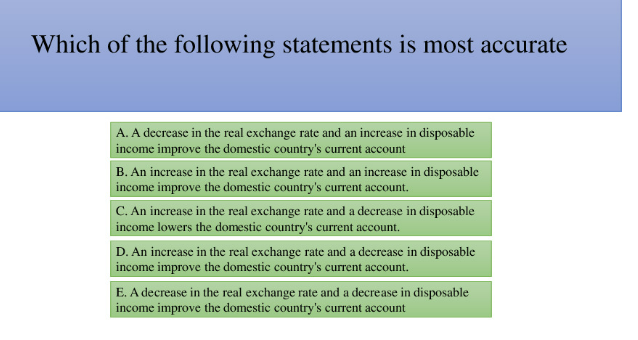
Okay, drumroll, please… After all that rambling, here's the statement that seems to hold the most water: Trade can lead to overall economic benefits, but it also creates winners and losers, requiring policies to mitigate negative impacts and ensure fair distribution of gains.
Bit of a mouthful, right? But it's honest. Trade isn't a magic wand. It's a complex tool. And like any tool, it needs to be used carefully.
Why This Is Actually Fun (Kind Of)
Hear me out! Thinking about trade is like being a detective. You're piecing together clues, analyzing data, and trying to understand how the world works. Plus, it helps you understand why that imported cheese is so darn delicious.
And let's be real, knowing a little bit about trade makes you sound super smart at parties. Impress your friends with your knowledge of comparative advantage! Watch their jaws drop!
Think about it this way: next time you're sipping your fair-trade coffee, you can ponder the intricate web of global trade that brought that delicious bean to your cup. Pretty cool, huh?
Trade, in its essence, is a reflection of human ingenuity and our desire to connect with the world. It's a messy, complicated, and sometimes frustrating process. But it's also incredibly powerful and shapes our lives in ways we often don't realize.
So, keep asking questions, stay curious, and don't be afraid to dive into the wacky world of international trade. Who knows, you might even find it… dare I say… fascinating?
Now, go forth and trade some knowledge!
P.S. Fun fact: Did you know that the oldest known evidence of trade dates back over 150,000 years? That's a lot of bartering!