Which Is The Best Hyaluronic Acid
Okay, let's talk about something that’s been popping up everywhere from skincare ads to your best friend's bathroom cabinet: hyaluronic acid. But hold on, before you glaze over thinking it’s just another beauty fad, let's explore why it’s actually pretty fascinating – and potentially really helpful. Think of this as a friendly investigation, not a lecture. We're on a mission to uncover what makes hyaluronic acid so special and maybe even answer the big question: Which one is the best?
So, what is this magic ingredient? Hyaluronic acid (HA) is essentially a humectant. That sounds complicated, but it simply means it's a substance that loves water. Its main purpose is to draw moisture from the environment and bind it to your skin. Imagine it like a tiny sponge, pulling in hydration and plumping up your skin cells. This leads to a whole host of benefits: reduced appearance of fine lines and wrinkles, improved skin elasticity, and an overall more hydrated and healthy complexion. Sounds good, right?
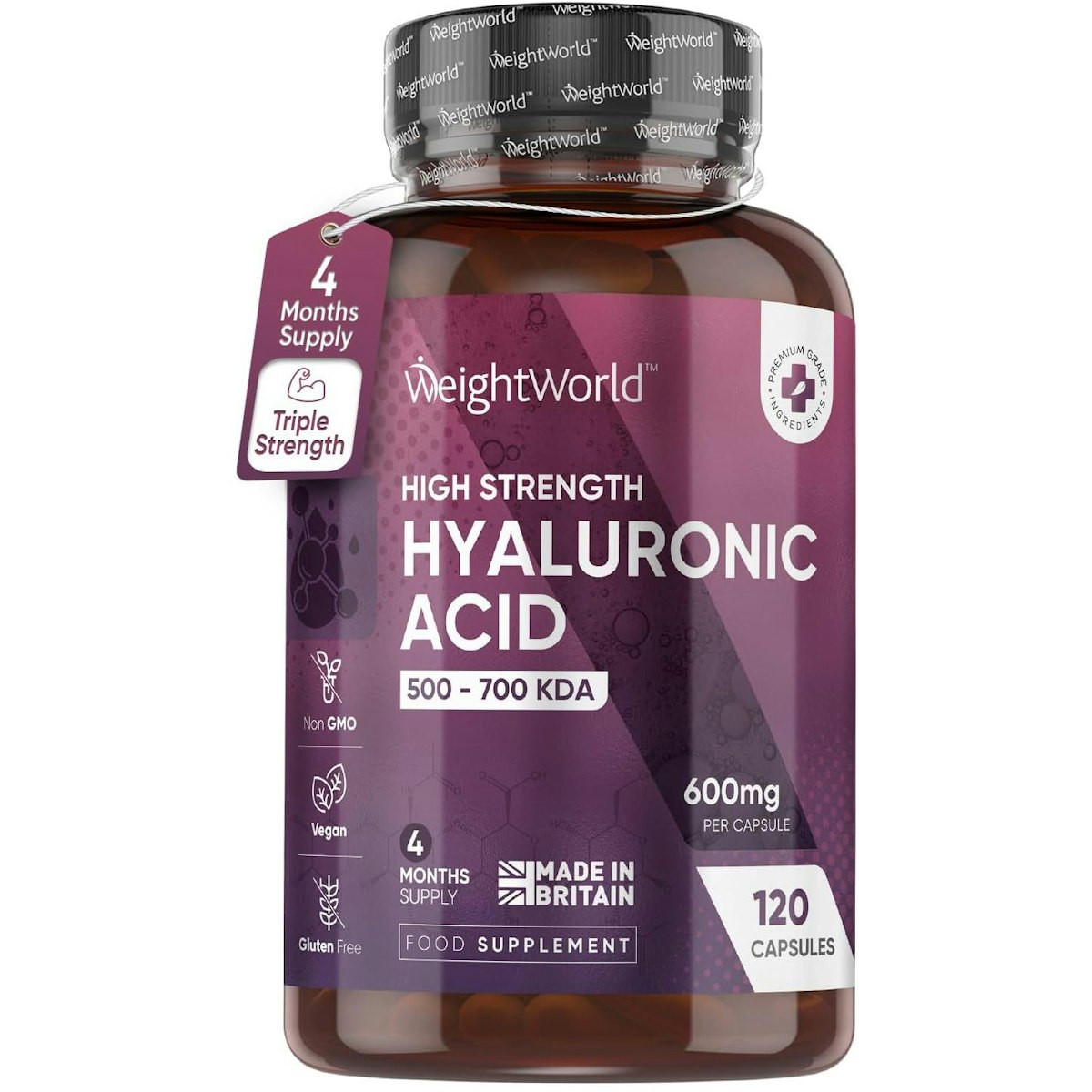
Beyond skincare, hyaluronic acid is finding its way into other areas too. In medicine, it's used as a lubricant in eye drops for dry eyes, and as an injection to relieve joint pain in conditions like osteoarthritis. Think about athletes recovering from injuries or older adults seeking relief from stiff joints - HA can be a valuable tool in their recovery and management. Even in some advanced wound dressings, HA helps maintain a moist environment conducive to faster healing. You might even find it in some oral supplements aimed at improving joint health! It's certainly not just skin-deep anymore.
Must Read
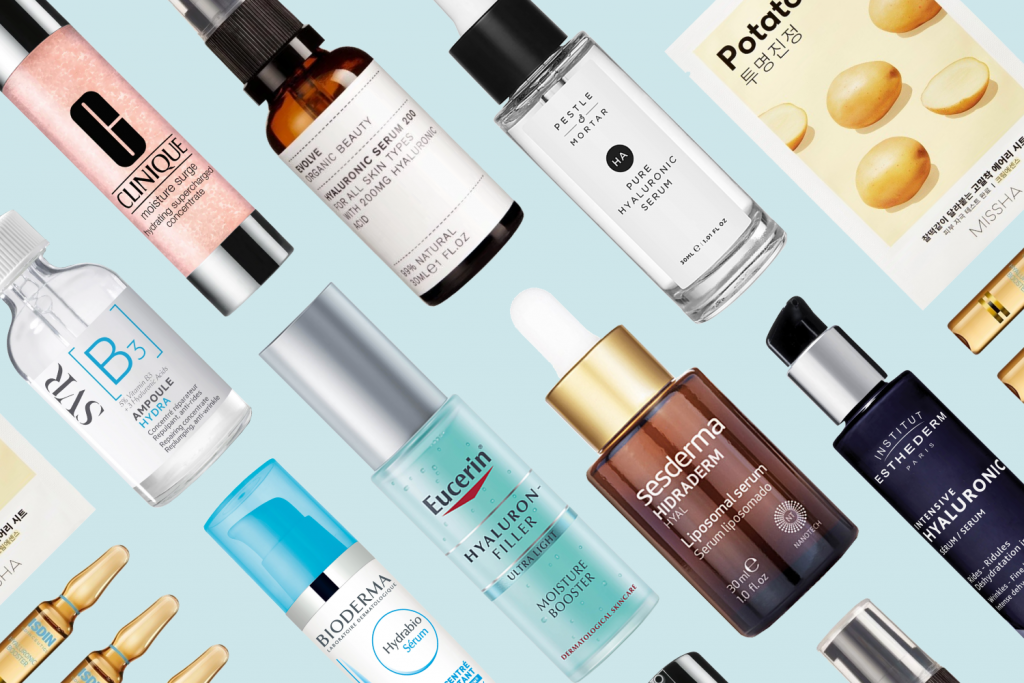
Now, back to that original question: Which is the best hyaluronic acid? Unfortunately, there's no single definitive answer. It really depends on your individual needs and skin type. However, here are a few things to consider: molecular weight is crucial. Smaller molecules penetrate deeper into the skin, but might cause irritation for some. Larger molecules sit on the surface, providing immediate hydration and a smoother feel. Serums with a blend of different molecular weights are often a good option.
:max_bytes(150000):strip_icc()/Best-Hyaluronic-Acid-Serums-SHP-tout-224c386830cd4f55a127c4877847da3e.jpg)
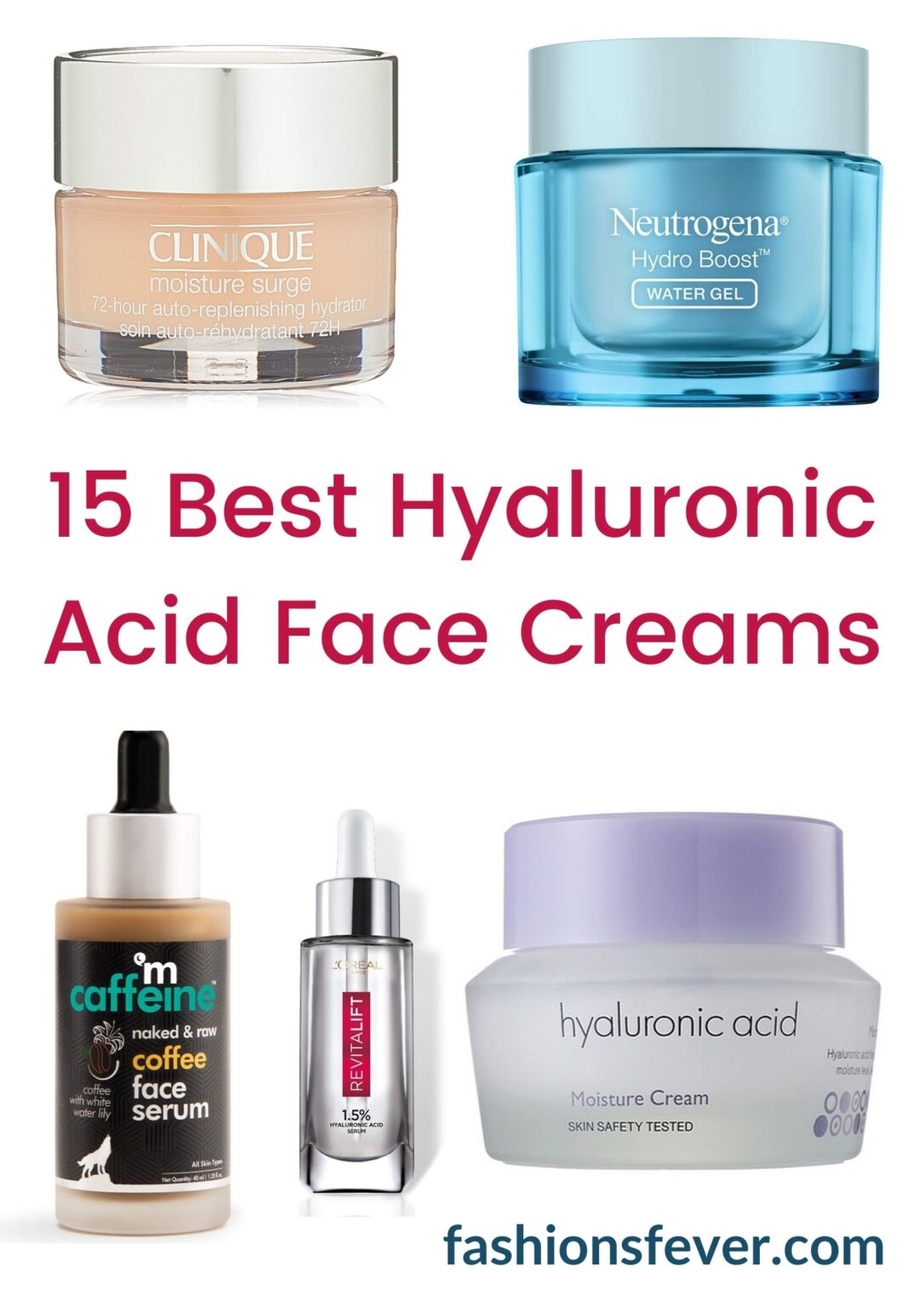
Also, look at the other ingredients in the product. Is it paired with vitamin C for antioxidant benefits? Or maybe ceramides to help strengthen the skin barrier? These additions can enhance the effectiveness of the hyaluronic acid. Consider your skin type. If you have oily skin, a lightweight serum is ideal. For dry skin, a richer cream with occlusive ingredients (like shea butter) to seal in the moisture might be better.
Want to explore further? A simple way to start is by reading product reviews and checking ingredient lists. Don't be afraid to experiment with different formulations and brands. Look for sample sizes before committing to a full-size product. Patch test a small area of your skin before applying anything new all over your face. You can even try making your own hydrating mist by diluting a pure hyaluronic acid serum with distilled water in a spray bottle! The key is to be curious, pay attention to how your skin responds, and find what works best for you. Happy hydrating!