
Which Is Better Centrifugal Or Masticating Juicer
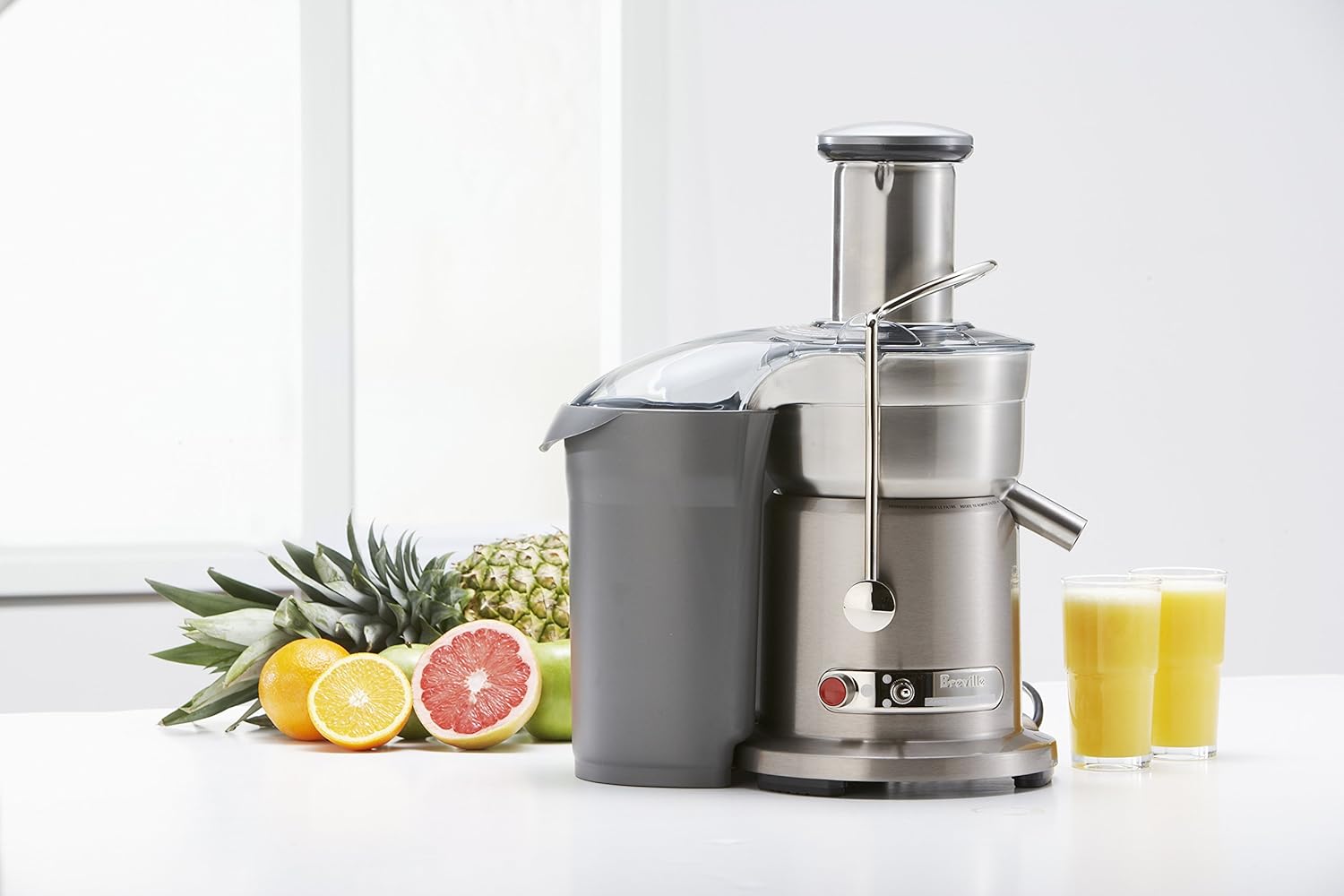
Alright, juice lovers, let's talk juicers! Specifically, the age-old question: centrifugal versus masticating? Ever wondered what the real difference is between these two juicing powerhouses? Don’t worry, we’re diving in. No pressure, just juicy knowledge. 😉
Centrifugal Juicers: Speed Demons
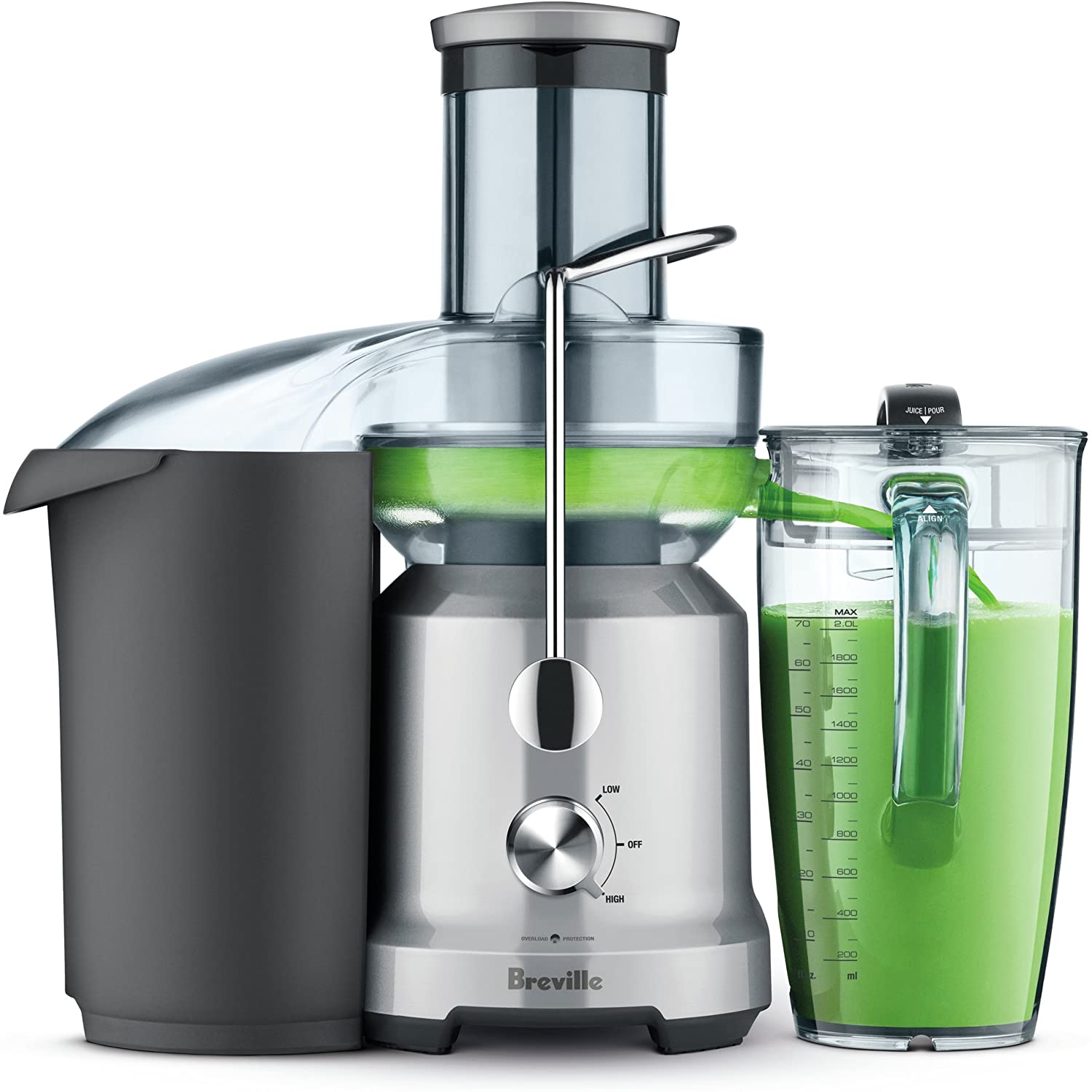
Think of centrifugal juicers as the Formula 1 racers of the juicing world. They're all about speed and efficiency. How do they work? Essentially, they chop up your fruits and veggies with a fast-spinning blade. The spinning action then forces the pulp against a mesh filter, separating the juice.
Pros? They're generally more affordable and much faster than their masticating counterparts. Got a hankering for orange juice right now? A centrifugal juicer is your best bet. Plus, they're often easier to clean, which is a huge win in my book. Nobody wants to spend more time cleaning than juicing, am I right?
Must Read
Cons? The high-speed spinning generates heat, which can destroy some of the heat-sensitive nutrients and enzymes in your produce. Also, the juice tends to oxidize faster, meaning you’ll want to drink it right away. It's like that avocado you cut open – delicious, but enjoy it quickly! Finally, they can be pretty noisy. Imagine a mini-jet engine in your kitchen.
Who are these juicers for? Those who prioritize speed and affordability, and who primarily juice harder fruits and veggies like apples and carrots.
Masticating Juicers: The Patient Processors
Now, let’s switch gears and talk about masticating juicers. These are the slow and steady turtles of the juicing world. They’re often called "slow juicers" because they operate at a much lower speed.
Instead of chopping, they crush and squeeze the juice out of your produce using an auger (a fancy word for a screw-like component). Think of it like wringing out a wet towel, but for fruits and veggies.
Pros? The slow process means less heat and oxidation, resulting in a juice that's richer in nutrients and enzymes, and that lasts longer. You can even store it in the fridge for a day or two without a significant loss of quality. Think of it like a fine wine – it gets better with (a little) time. Masticating juicers are also excellent at juicing leafy greens and wheatgrass, which centrifugal juicers struggle with. Plus, they're generally much quieter. No more jet engine noises!

Cons? They're typically more expensive than centrifugal juicers, and the juicing process takes longer. They can also be a bit more finicky to clean, and sometimes require more prep work (like chopping your produce into smaller pieces).
Who are these juicers for? Health enthusiasts who prioritize nutrient retention and juice longevity, and those who want to juice a wider variety of produce, including leafy greens.

Juice Showdown: Key Differences Summarized
Let’s break it down further with a quick cheat sheet:
- Speed: Centrifugal juicers are much faster.
- Nutrient Retention: Masticating juicers retain more nutrients.
- Juice Longevity: Masticating juicers produce juice that lasts longer.
- Noise Level: Centrifugal juicers are louder.
- Price: Centrifugal juicers are generally more affordable.
- Versatility: Masticating juicers can handle a wider variety of produce.
So, Which One Is Better?
The million-dollar question! The truth is, there's no single "better" juicer. It all depends on your individual needs and priorities.
Are you on a budget and short on time? A centrifugal juicer might be the perfect fit.
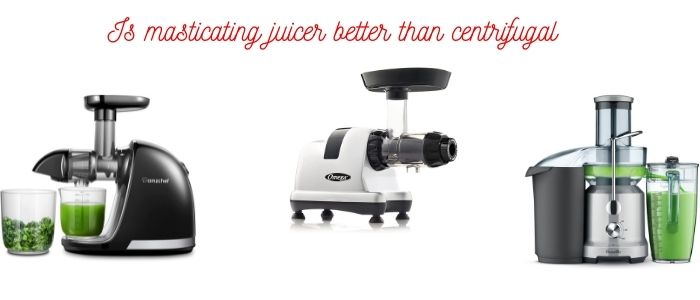
Do you prioritize maximum nutrient intake and want to juice leafy greens? A masticating juicer is probably the way to go.
Think about your lifestyle, your budget, and what you want to get out of juicing. Do you envision yourself quickly whipping up a glass of orange juice before work? Or are you planning on a leisurely Sunday morning ritual of crafting the perfect green juice blend?
Ultimately, the best juicer is the one you’ll actually use! So, do your research, weigh the pros and cons, and choose the juicer that aligns with your juicing goals. Happy juicing!