
Which Fire Extinguisher For Which Fire

Alright, let's talk fire extinguishers. You know, those bright red cylinders hanging on the wall at the office, or tucked away in a corner at home. They look so official, so ready for action, yet most of us probably just hope we never, ever have to touch one.
They sit there, silent sentinels, often ignored until a little kitchen mishap or a rogue spark decides to turn up the heat. Suddenly, that red cylinder isn't so mysterious anymore; it's your last, best, somewhat terrifying hope!
But here’s the rub: fire extinguishers come plastered with confusing labels. We see letters like A, B, C, D, K and our brains just sort of... short-circuit. It's like trying to decipher an ancient alphabet in a panic.
Must Read
Forget the Alphabet Soup, Let's Get Real
Seriously, who remembers if a Class B fire is for liquids or if a Class C means electrical when your toaster is putting on a light show? Not me, and probably not you, when the smoke alarm is blaring!
My humble, and perhaps unpopular, opinion is this: in a real-life scramble, we need common sense, not a pop quiz on fire science. We need to grab what works, and quickly, before things get out of hand!
"When the heat is on, clarity beats complexity every single time."
So, let's playfully simplify this whole "which extinguisher for which fire" charade. Think less about obscure classifications and more about what the fire is actually eating. It makes far more sense, trust me.
The "Common Sense" Fire Extinguisher Guide
The "It's Just Burning Stuff" Fire (Class A, but shhh!)
This is your classic campfire scenario, but indoors. Think burning paper, wood, cloth, or that precarious stack of old magazines you swore you'd recycle last weekend.
What does fire love to eat here? Solid stuff. And what's the universal enemy of burning solid stuff, the ultimate cool-down agent?
Water! Yep, plain old H2O is your best friend here. A water extinguisher is perfect for this. It cools things down faster than an ice cream cone on a summer day and takes away the fuel's ability to burn.
You might even consider a bucket of water or, dare I say it, a garden hose if it’s outside and safe to do so. Just don’t tell the fire marshals I suggested that for inside the living room!

It's the most intuitive solution, right? A good old soak. These fires are usually pretty straightforward, thankfully.
The "Oops, I Spilled Gasoline" Fire (Class B)
Now we're talking about flammable liquids: gasoline, oil, paint, solvents, or even that curious-looking cocktail of mystery chemicals in your garage. These fires absolutely do not play nice with water; water can actually make them spread and jump!
Imagine throwing water on a small pan of burning cooking oil – poof! A terrifying fireball! That's physics at its most dramatic and dangerous, and absolutely not fun.
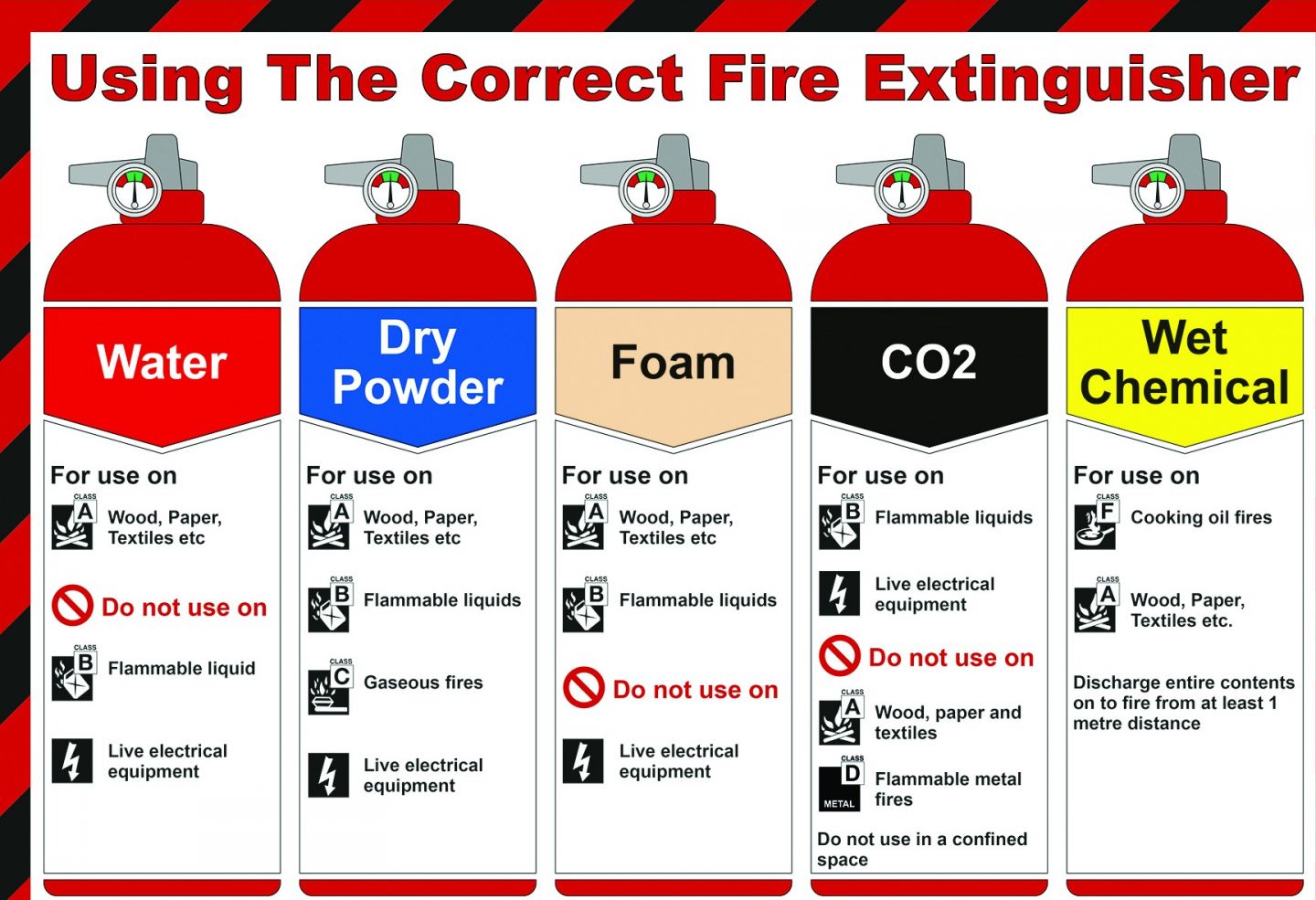
For these liquid lovers, you need something that smothers them, something that cuts off their air supply. Enter the foam extinguisher or a CO2 extinguisher.
Foam creates a wonderful, oxygen-blocking blanket, literally tucking the fire into bed. CO2 displaces oxygen with a chilling blast. Both are champions at stopping those fiery liquid dances in their tracks.
"Water on a liquid fire is like adding fuel to the fire... literally! Don't do it!"
So, next time you see flames happily dancing on a puddle of something suspicious, remember: smother, don't sprinkle. It's a key distinction for your safety.
The "My Toaster is Sparking!" Fire (Class C)
This is the tricky one: electrical fires. Your ancient toaster, a faulty appliance, that overloaded extension cord, or that lamp that just started smoking for no discernible reason.
The danger here isn't just the fire; it's the electricity itself. You absolutely, positively cannot use water on an electrical fire. You'll get a shocking surprise, and not the fun kind!
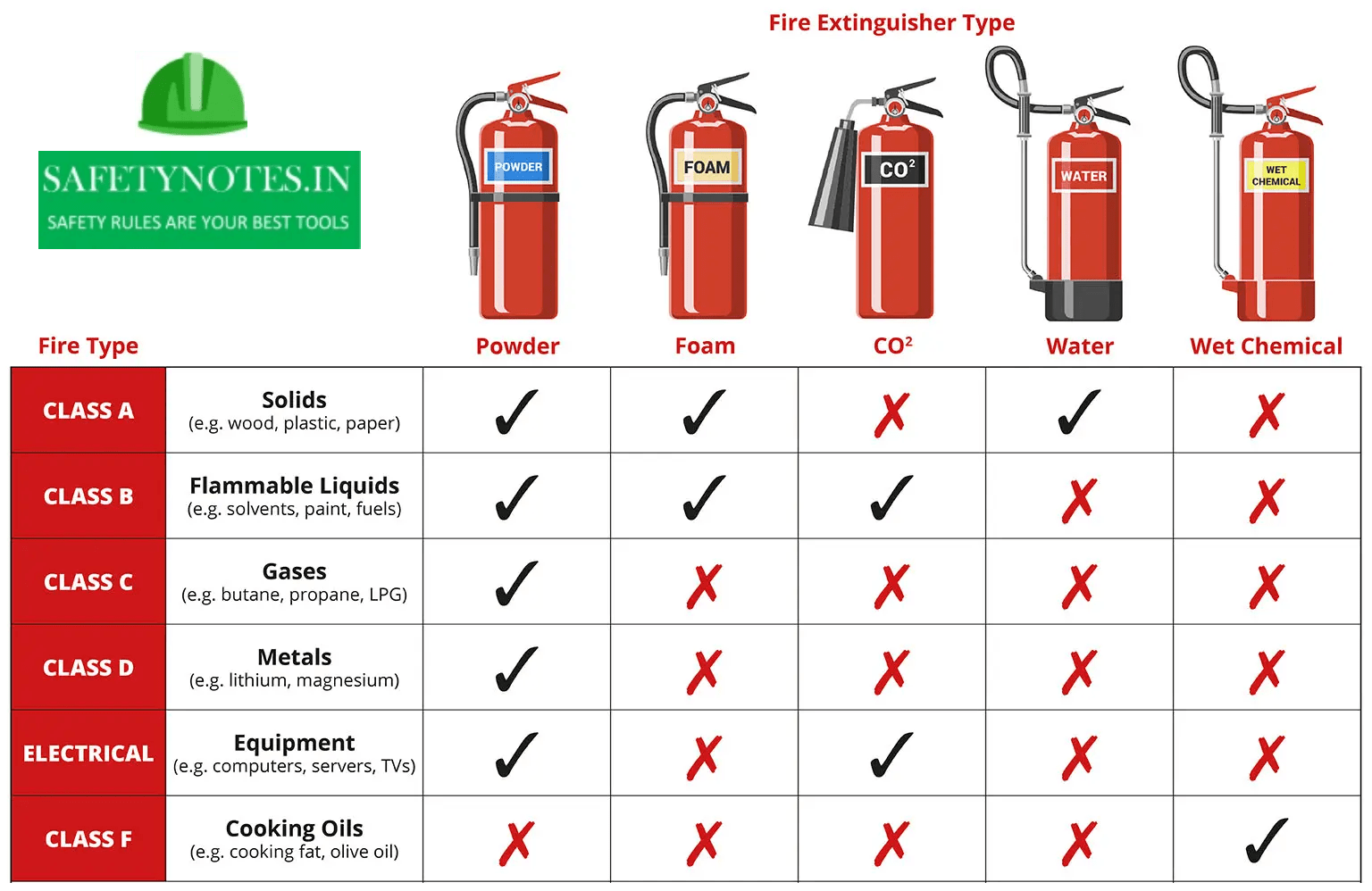
For these zappy infernos, you need an extinguisher that doesn't conduct electricity. A CO2 extinguisher is brilliant because it's a gas, it displaces oxygen, and best of all, it leaves no messy residue.
A dry chemical extinguisher (often labeled ABC, for a reason!) also works wonders, though it can make a big, powdery mess. But hey, a mess is infinitely better than a house fire, right?
First rule: if safe, unplug it! Cut the power! Then, and only then, reach for the right tool. No buckets of water, please, unless you're aiming for superhero lightning bolt status.
The "Kitchen Catastrophe" Fire (Class K/F)
Ah, the dreaded grease fire! You’re happily frying up some delicious bacon, get distracted by a funny cat video on your phone, and suddenly your pan is erupting in flames. This is a special beast of a fire.
Remember how we said water is bad for liquid fires? It's extra bad, catastrophic even, for grease fires. They’re super-heated cooking oils, and water turns instantly to superheated steam, carrying flaming grease everywhere. Think exploding hot oil!
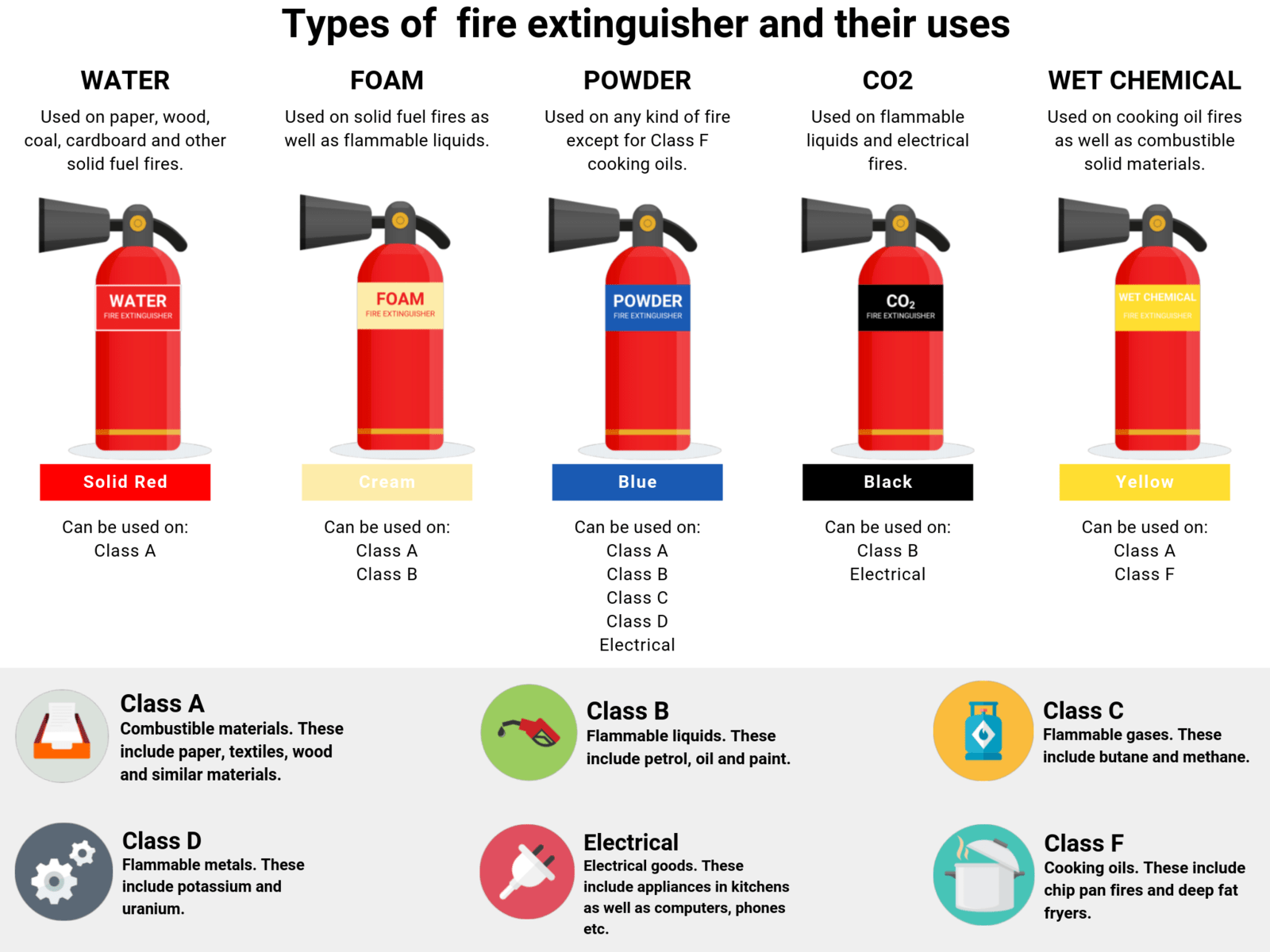
For these kitchen meltdowns, especially in commercial settings, you need a wet chemical extinguisher. These create a soapy, cooling foam that sits on top of the oil, preventing re-ignition and smothering the flames.
In a pinch, if it's a small pan fire, a simple pot lid can work wonders to smother it by cutting off oxygen. Or a generous pour of baking soda (not baking powder!) can sometimes do the trick by releasing CO2 and smothering small flames.
"When bacon bites back, reach for the wet chemical, not the tap – or just use a lid!"
But truly, the wet chemical extinguisher is king for proper restaurant kitchens where these fires are a serious, frequent threat. For home, a lid is often your fastest friend.
The "Mysterious Metal" Fire (Class D)
Okay, this one is pretty rare for the average household, unless you're secretly forging swords or running a high-tech lab in your garage. Think burning magnesium, titanium, or other reactive metals.
These fires are incredibly hot, incredibly stubborn, and react violently with water or even regular extinguishers. They need very specific, specialized dry powder extinguishers.
If you ever, by some strange twist of fate, encounter one, my unpopular opinion is: don't even try to fight it. Just evacuate immediately and call the professionals!
Your life is worth far more than a burning piece of exotic metal, no matter how shiny or expensive it may be. Leave these to the truly specialized experts.
Beyond the Red Can: Everyday Firefighters (with extreme caution!)
Now for the truly unconventional advice, which should only be considered for very, very small, contained fires, and never in place of proper equipment or calling for professional help. This is my "unpopular opinion" zone, tread lightly!
For those tiny, 'blink-and-you-miss-it' flare-ups, sometimes you don't even need a bright red can. A heavy wool blanket, or even a thick rug, can smother small solid fires surprisingly well. Just make sure it's thick and you're not putting yourself in harm's way!
Got a pan fire that's just starting? A simple pot lid can work wonders to cut off oxygen. It’s the ultimate low-tech extinguisher for kitchen mishaps. Just slide it over gently and let it do its magic.
Outdoors, a significant amount of dirt or sand can be a lifesaver for small ground fires, or even to contain spilled liquids that are burning. Think of it as nature's own dry chemical agent. But please, don't get carried away and start throwing dirt at your burning television! We are talking about very specific, tiny scenarios here.
The point, in my humble opinion, is that understanding the fire's nature helps you think creatively (and safely!) about what everyday items might be available. It's about empowering you with common sense, not replacing emergency services.
But remember, this isn't an excuse to skip the proper extinguisher training or calling 911. It's about knowing your options for those tiny, 'I can handle this' moments. And always, always prioritize your personal safety above all else.
The Golden Rule: When in Doubt, Get Out!
No matter how much you know about extinguishers, the absolute most important thing is your safety and the safety of others. If a fire starts to spread, gets too big, or if you feel unsafe for even a second, get out immediately.
Then, and only then, call 911 (or your local emergency number). Firefighters are the real experts, and they arrive with all the right tools, extensive training, and a whole lot of water.
Think of extinguishers as your first line of defense against a small, contained problem. Not as a magical wand against a raging inferno that could quickly engulf your home.
So, next time you see a fire extinguisher, instead of a confusing letter soup, picture its real purpose. It's there to help you tackle specific fiery dilemmas, using common sense principles, if you know which one to grab.
Stay safe, stay smart, and remember that sometimes the best extinguisher, especially for a rapidly growing fire, is a quick exit and a phone call. Your life, and the lives of your loved ones, are truly priceless.