
Which Fire Extinguisher For Pool Chemicals

Hey there, friend! Grab a mug, let’s chat. You know how we always talk about the fun stuff like pool parties and floaties? Well, today, we're diving into something a little... spicier. And by spicier, I mean potentially fiery. We’re talking about your pool chemicals and, gasp, fire extinguishers!
I know, I know. It sounds a bit much, right? Like, "Do I really need a special fire extinguisher just for the stuff I use to keep my pool sparkling?" And honestly, for your average, run-of-the-mill, oops-I-dropped-a-match kind of fire, probably not. But those pool chemicals? Oh honey, they are a whole different beast. They're not just flammable; some of them are incredibly reactive. And that's where things get interesting (and a little bit scary).
Why Your Regular Extinguisher Might Be a No-Go
So, you've probably got an ABC extinguisher tucked away somewhere, right? You know, the red canister that's good for paper, wood, liquids, and electrical fires. Bless its versatile heart. It's a hero for most household mishaps. But when it comes to your pool's secret sauce – things like calcium hypochlorite, lithium hypochlorite, or even some pH adjusters – that trusty ABC might actually make things worse.
Must Read
Think about it: many of these chemicals, especially the oxidizers, don't just "burn" in the traditional sense. They can react violently with moisture, organic materials, or even just sitting next to the wrong thing. And guess what the main component of most fire extinguishers is? Often, it's water (or a water-based solution) or a dry chemical that isn't formulated for metal fires or highly reactive substances.
Enter the Class D Hero: The Unsung Champion
This is where our unsung hero steps onto the scene: the Class D fire extinguisher. Ever heard of it? Probably not, unless you work in a lab or a specialized industrial setting. Class D extinguishers are specifically designed for combustible metals. Now, you might be thinking, "My pool chemicals aren't metals!" And you'd be right, mostly. But the reactions they can cause, especially with certain compounds, often mimic or involve metal fires, or create conditions where standard extinguishers are ineffective or dangerous.
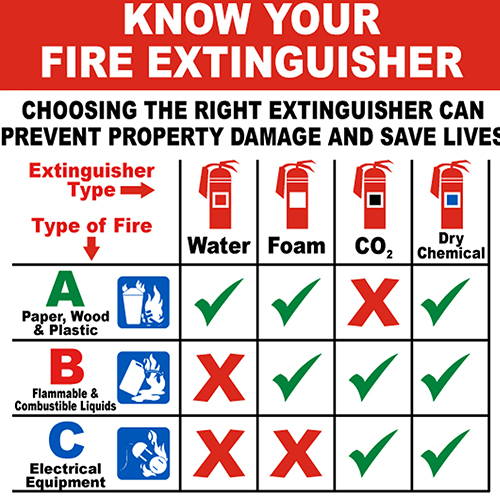
Many pool chemicals, particularly the granular ones, are strong oxidizers. If they come into contact with a combustible material (like a rusty metal scoop, old rags, or even another chemical that isn’t supposed to mix), they can generate immense heat and oxygen, leading to a fire that conventional methods can’t handle. Using water, for example, on certain reactive chemical fires can cause an explosive hydrogen gas release. Yikes!
What Kind of Chemicals Are We Talking About?
We’re looking at things like calcium hypochlorite (the granular chlorine), lithium hypochlorite, and even some types of dry acids or bases used for pH balancing. These can get a little wild if they spill and mix or get contaminated. It’s not about them catching fire from a spark; it’s about their inherent ability to react and spontaneously combust or accelerate a fire dramatically.

A Class D extinguisher uses a special dry powder agent (like sodium chloride or graphite-based) that literally smothers the fire, cooling it and forming a crust to prevent oxygen from reaching the burning material. It's a very specific, very targeted approach. It’s not spraying foam; it’s more like blanketing the problem until it cools down and calms down.
Okay, So Do I Need One?
Now, let's get real. Most homeowners probably won't have a Class D extinguisher in their garage. They're specialist tools. So, what’s a pool-loving human to do? The absolute, number one, golden rule for pool chemicals is prevention, prevention, prevention!
- Always store chemicals separately. No mixing! Even residue in a bucket can be dangerous.
- Keep them in cool, dry, well-ventilated areas.
- Use separate, clean scoops for each chemical.
- Always, always read the labels. Seriously, that tiny print isn't just for show. It has vital safety info.
- And for goodness sake, if there’s a major spill or a chemical fire that you can’t immediately contain (and you don’t have a Class D), the best advice is always to evacuate and call 911. These folks are trained for these kinds of emergencies and have the right gear.
For small, isolated, non-chemical fires near your pool area (like a stray towel igniting from a rogue spark), your trusty ABC will still do the trick. But for anything involving the chemicals themselves? Pause. Assess. And if in doubt, get out and call for help.
So, while a Class D extinguisher might be a bit overkill for the average backyard pool owner, understanding why it exists for reactive chemicals is super important. Knowledge is power, right? And hopefully, knowing this helps you keep your pool paradise safe and sparkling, without any unexpected fireworks!
