Which Factor Supports Maintaining A Dual Income
Let's talk about something many modern families grapple with: the dual income household. It's a pretty common arrangement these days, but have you ever stopped to wonder why it works for some and not others? What's the magic ingredient that allows two incomes to flourish together, bringing stability and opportunity? Understanding this dynamic is relevant not just for couples currently in this situation, but also for young people planning their futures, or anyone curious about the changing landscape of modern family life.
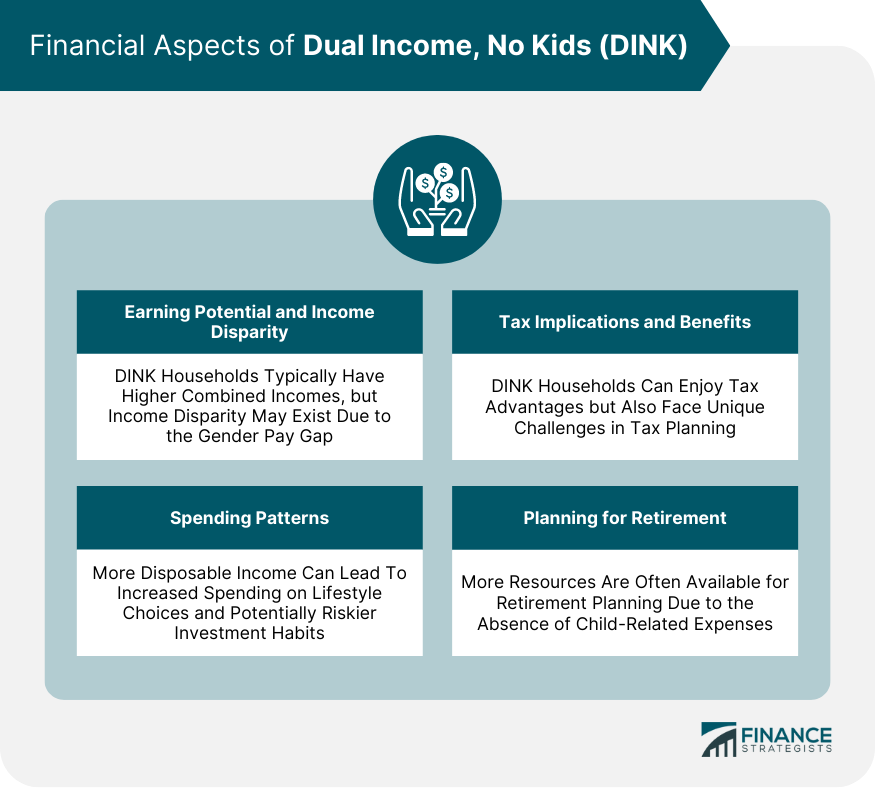
The purpose of having a dual income household is fairly straightforward: increased financial resources. This translates to a higher standard of living, the ability to save more, invest for the future, and potentially achieve financial goals faster. But simply having two incomes isn't enough. The factor we're exploring today is the availability of affordable and reliable childcare. It’s the unsung hero that often determines whether a dual-income setup is a source of strength or a constant source of stress.
Think about it. Without affordable childcare, one parent might have to stay home, effectively negating the second income. Or, if childcare costs are excessively high, the benefits of the second income are significantly diminished. The cost of childcare can sometimes equal or even exceed the income earned by one parent, making it a financially unsustainable situation.
Must Read
How does this play out in daily life? Imagine a young couple, both professionals, eager to buy a house and start a family. They both have promising careers and are excited about their future. However, they quickly discover that childcare in their area is shockingly expensive. Without a supportive family network or access to subsidized childcare programs, one of them might be forced to scale back their career, delay having children, or rely on less-than-ideal childcare arrangements, leading to increased stress and potential strain on their relationship.
On the other hand, consider a family who lives in an area with excellent, affordable childcare options. They are both able to pursue their careers without constantly worrying about the safety, well-being, or development of their children. This allows them to focus on their jobs, earn more, and contribute to the household finances, creating a more stable and secure environment for their family.
In education, the impact is clear. Children from dual-income households who have access to quality childcare often benefit from early learning opportunities, setting them up for success later in life. Access to early childhood education can improve literacy rates, cognitive skills, and social-emotional development. Schools and communities can play a vital role in advocating for increased access to affordable and high-quality childcare, recognizing its crucial role in supporting working families.
So, how can you explore this factor further? Start by researching the cost of childcare in your local area. Look into government subsidies, employer-sponsored programs, and community resources. Have open and honest conversations with friends and family members who are navigating similar situations. You might be surprised by the creative solutions people are finding. Think about the long-term benefits of investing in quality childcare – not just for your children, but for the entire family's financial well-being. Understanding the crucial link between affordable childcare and a successful dual-income household is the first step towards building a more secure and fulfilling future.