Which Extinguisher On Electrical Fire
Alright, friends, gather 'round! Let's talk about something super important, but often overlooked until, well, ZAP! CRACKLE! POP! Picture this: you're just chillin', maybe toasting a bagel, and suddenly your trusty toaster decides it wants to put on a light show worthy of a rock concert. Or maybe your beloved TV screen starts smoking like it's auditioning for a dramatic villain role. Panic, right? Your first instinct might be to grab the nearest liquid, but hold your horses! When it comes to an electrical fire, grabbing the wrong extinguisher is like bringing a spoon to a sword fight – ineffective and potentially disastrous!
The Big No-No: Water!
Let's get this out of the way immediately, with all the enthusiastic warnings I can muster: when you see sparks flying from an electrical appliance, please, for the love of all that is safe and sound, DO NOT reach for water! Nope! Nuh-uh! Absolutely not! Water and electricity are like two frenemies who should never, ever, ever hang out, especially when one of them is on fire. Adding water to an electrical fire is basically giving the electricity a superhighway to travel, potentially turning a contained problem into a much bigger, much more shocking (literally!) situation. You could get a nasty shock, and the fire could spread faster than gossip at a high school reunion.
Remember this golden rule: Water + Electrical Fire = A Big, Shocking NO!
Enter the Heroes: Your Electrical Fire Extinguishers!
So, if water's out, what's in? Glad you asked! There are a couple of fantastic, non-conductive champions ready to save the day. They won't conduct electricity, which means they won't give the sparks any extra places to party.
Must Read
The Sleek & Clean Champion: The CO2 Extinguisher
Imagine a superhero who leaves no trace, just a job perfectly done. That's your CO2 (Carbon Dioxide) extinguisher! These bad boys blast out a super-cold, non-flammable gas that smothers the fire by displacing oxygen. The best part? It leaves absolutely no residue. So, if your fancy new gaming console decides to ignite, a CO2 extinguisher will put it out without soaking it or coating it in a powdery mess. It's like a magical puff of arctic air that says, "Nope, not today, fire!"
You'll recognize them by their distinct horn-shaped nozzle and their big, chunky cylinder. They're specifically rated for Class B (flammable liquids) and Class C (electrical) fires, making them an excellent choice for your home office or workshop.

The Versatile & Mighty All-Rounder: Dry Chemical (ABC or BC) Extinguishers
Next up, we have the workhorse of the fire-fighting world: the Dry Chemical extinguisher. You've probably seen these everywhere! They're filled with a fine powder (usually monoammonium phosphate or sodium bicarbonate) that interrupts the chemical reaction of the fire. They're incredibly effective, often smothering the flames with impressive speed.
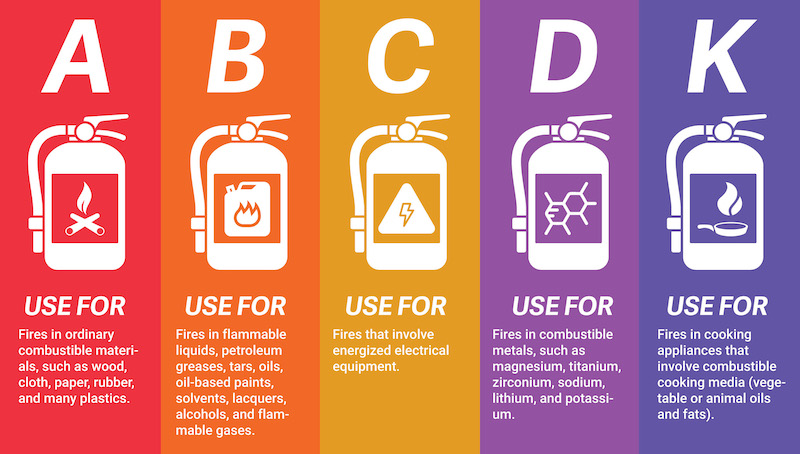
For electrical fires, you're looking for an ABC rated extinguisher (which handles ordinary combustibles, flammable liquids, and electrical fires) or a BC rated one (flammable liquids and electrical fires). The downside? That fine powder gets everywhere! Think of it like an explosion in a flour factory. While it's fantastic at putting out the fire, be prepared for a significant cleanup operation afterward. But hey, a messy cleanup is way better than a burnt-down house, right?

How to Spot Your Electrical Fire Fighter!
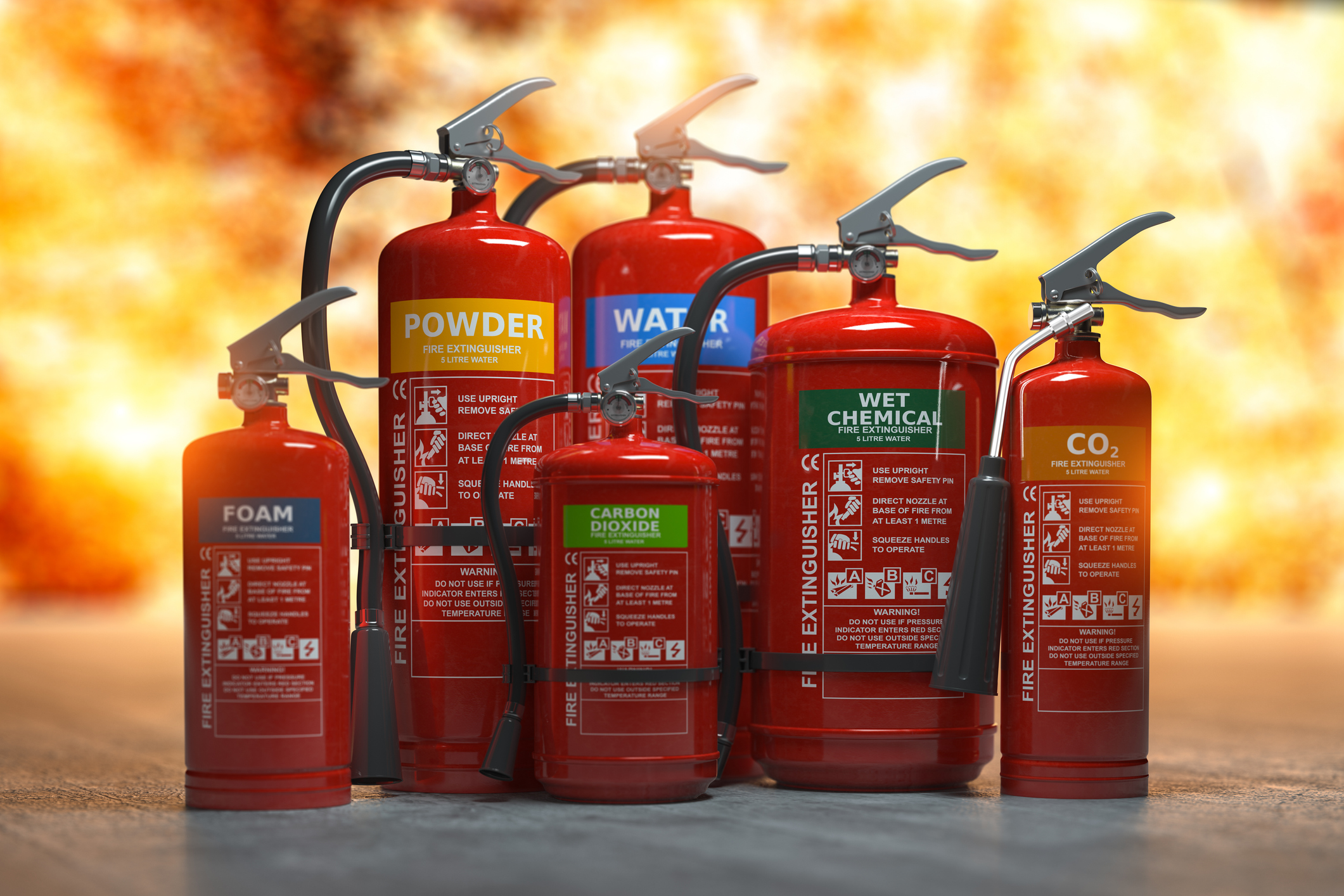
Don't just grab any red can! Look closely at the label on your extinguisher. You'll see symbols or letters indicating the fire classes it can tackle. For electrical fires, you want to see a "C" (for Class C fires) or "ABC" or "BC" on the label. This little letter is your secret handshake with safety, telling you that this extinguisher is non-conductive and won't make your situation worse.
The Ultimate Safety First Rule!
Okay, serious moment here. While it's fantastic to be prepared, remember this: if the fire is growing rapidly, you're unsure how to use the extinguisher, or your gut is telling you to bolt, then GET OUT, STAY OUT, and CALL 911! Your safety and the safety of your loved ones are the absolute top priority. Extinguishers are for small, contained fires; anything bigger needs the pros.
So, there you have it! No more guessing games when your electronics decide to get fiery. Arm yourself with knowledge, get the right extinguisher (a CO2 or an ABC/BC dry chemical), and you'll be ready to face those unexpected sparks like a true fire-safety champion. Stay safe, stay smart, and keep that bagel toaster in line!