
Which Elements Are Metalloids Check All That Apply

Okay, let's talk metalloids. You know, those elements that can't quite make up their minds? Are they metal? Are they non-metal? They're like that friend who says "maybe" to every invitation. Annoying, but also kind of... intriguing?
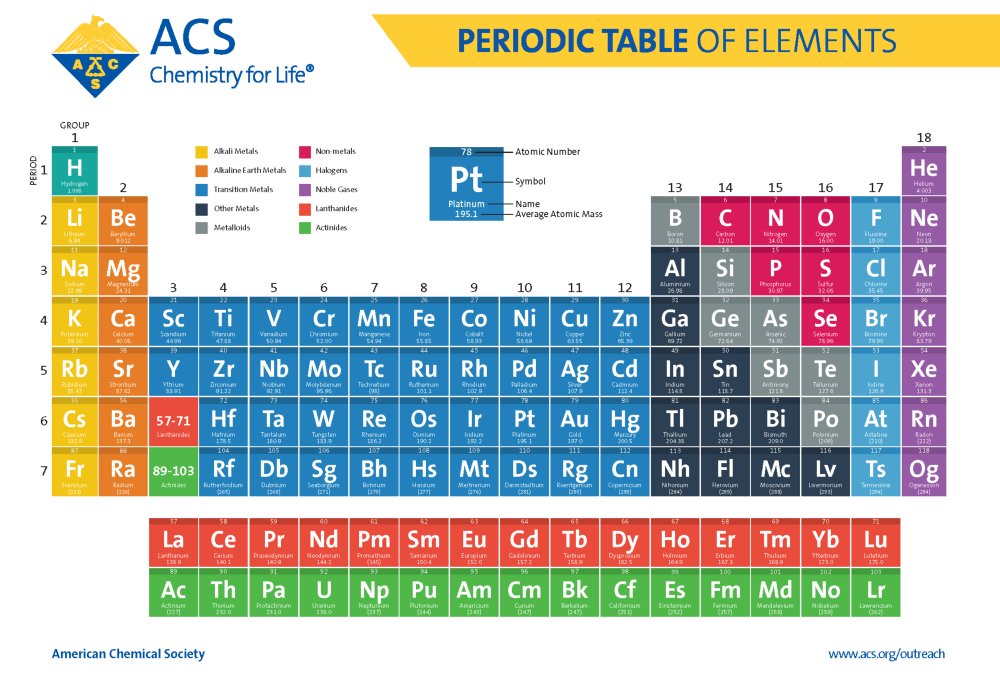
Textbooks give us a list. Boron, Silicon, Germanium, Arsenic, Antimony, Tellurium, and sometimes Polonium and Astatine. That's the official party line. But I'm here to tell you, things are a little messier than your professor wants you to believe. And frankly, I have some opinions.
The Usual Suspects: Mostly Agreeable
Let's start with the easy ones. Silicon, for example. Totally a metalloid. It's the star of semiconductors. Conducts electricity sometimes, doesn't conduct other times. Peak indecisiveness. We're cool, Silicon.
Must Read
Germanium is basically Silicon's slightly less famous cousin. Still metalloid-y. Still used in electronics. No arguments here.
Then there's Boron. It's in laundry detergent and some rocket fuel. It forms these weird cage-like structures. Seems metalloid enough to me. I’m on board.
And Antimony? Sounds like something you’d find in a pirate movie. But no, it’s a brittle, silvery element used in alloys and flame retardants. Another solid metalloid contender.
The Murky Middle Ground: My (Potentially Unpopular) Takes
Now, things get interesting. Arsenic. We all know Arsenic. The classic poison. But is it a true metalloid? It kinda acts more like a non-metal to me. I'm going to put it in the "highly suspicious" category. I might even kick it off the metalloid island altogether. Don't @ me.
Tellurium. This one's a real head-scratcher. It's rare, it's kinda metallic-looking, and it boosts the machinability of steel. But... is it really a metalloid? Honestly, I’m on the fence. Maybe we give Tellurium a trial period?
And then we have the "radioactive wildcards."

Radioactive Rogues: Pass or Fail?
Polonium. Discovered by Marie Curie. Radioactive. Toxic. Used in some… interesting industrial applications. Is it a metalloid? Textbooks often say yes. But honestly, it's radioactive. That kind of overshadows everything else. Pass. Not dealing with that right now.
Finally, Astatine. The rarest naturally occurring element on Earth. Also radioactive. Also barely understood. Does it behave like a metalloid? No one really knows! There's so little of it, it's almost impossible to study. Honestly, let's just leave Astatine alone. Too much hassle.
My Unpopular Opinion (Brace Yourselves!)
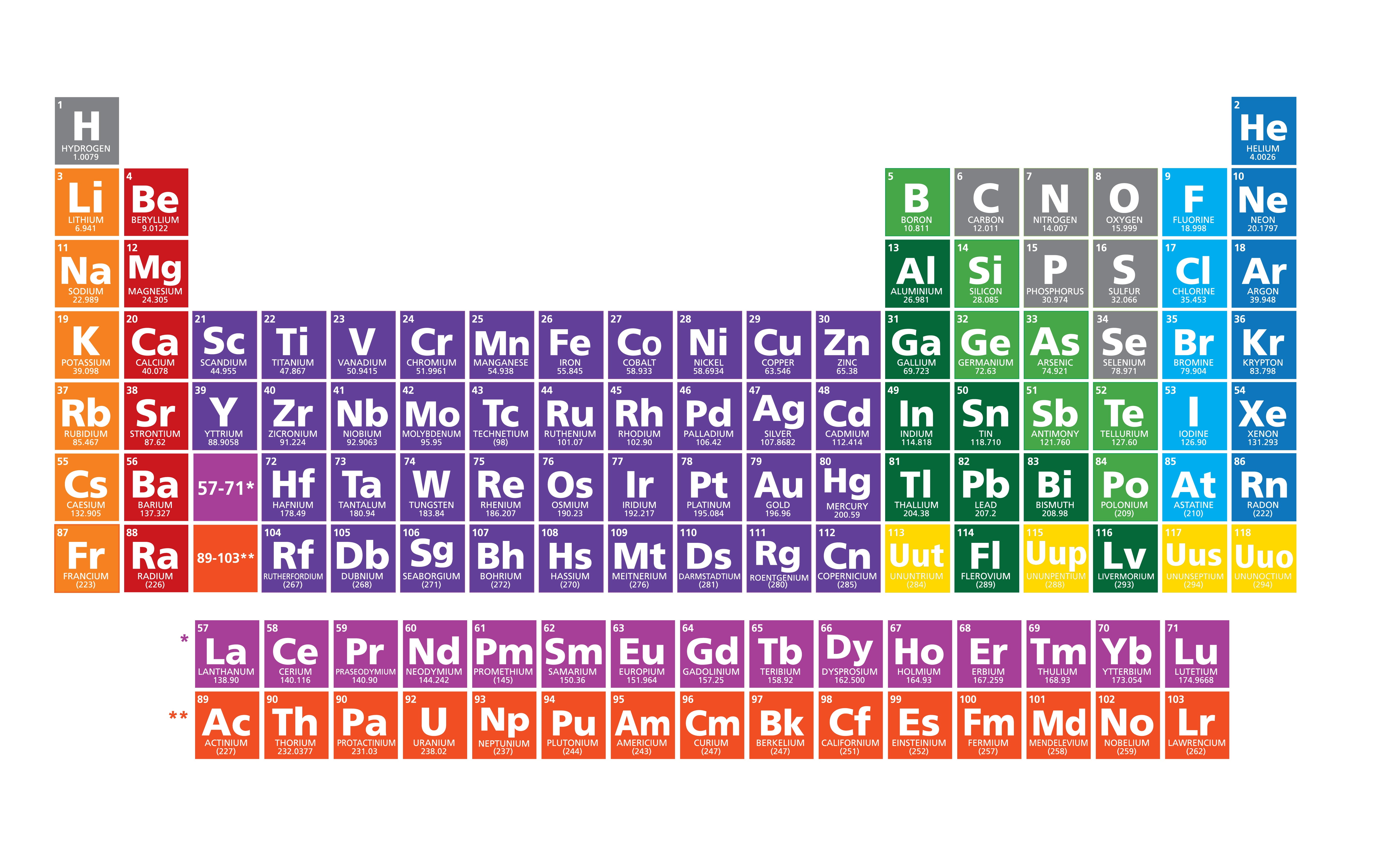
Here it comes. Are you ready? I think some other elements deserve metalloid consideration. Namely… Aluminum!

“WHAT?!” I hear you cry. “Aluminum is a metal! Everyone knows that!”
But hear me out! Aluminum forms amphoteric oxides! It can react with both acids and bases! That's like metalloid 101! Plus, its conductivity is... well, it's good, but not amazing. It’s borderline. It's straddling the line. It's… metalloid-ish!
I know, I know. This is a radical suggestion. But sometimes, the truth hurts. Maybe it's time to rewrite the textbook definition. Maybe it's time to embrace the Aluminum-as-Metalloid future!
Okay, maybe I'm being a bit dramatic. But seriously, think about it.
So, my final answer for "Which Elements Are Metalloids? Check All That Apply" is… complicated. It’s subjective. It depends on my mood, the weather, and whether I've had enough coffee. But generally speaking, I'm sticking with Silicon, Germanium, Boron, Antimony... and maybe, just maybe, Aluminum needs a seat at the table.
What do you think? Am I crazy? Or am I onto something?
Let the metalloid debates begin!