Which Brand Of Lutein Is The Best
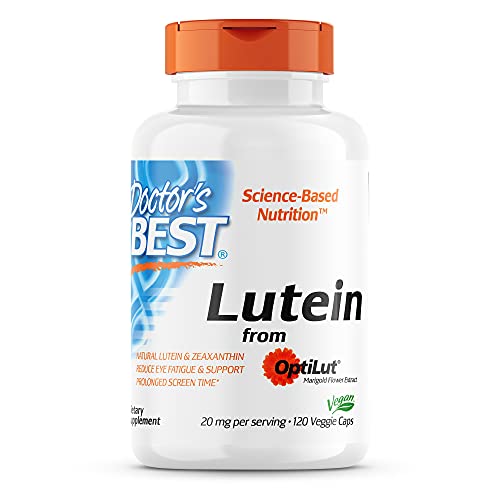
Ever find yourself staring at screens all day, from your phone to your computer, then zoning out in front of the TV at night? Chances are, you've heard whispers about something called lutein and its supposed superpowers for eye health. But with so many brands vying for your attention, which one's actually the best? Let's dive in and explore this intriguing world!
So, what exactly is lutein? Simply put, it's a type of carotenoid, a natural pigment found in brightly colored fruits and vegetables, especially dark leafy greens like spinach and kale. Think of it as internal sunscreen for your eyes. Lutein, along with its close cousin zeaxanthin, concentrates in the macula, the central part of your retina responsible for sharp, detailed vision. Here, they act as antioxidants, protecting your eyes from harmful blue light emitted from screens and the sun, as well as scavenging free radicals that can damage eye tissue. In essence, it's like giving your eyes a fighting chance against the stresses of modern life.
The benefits of lutein are far-reaching. Studies suggest it can help reduce the risk of age-related macular degeneration (AMD), a leading cause of vision loss in older adults. It may also play a role in preventing cataracts and improving visual performance, especially in situations with glare. Beyond eye health, some research hints at potential benefits for cognitive function and skin health too, making it a truly multifaceted nutrient.
Must Read
How does this translate into everyday life? Imagine a student spending hours studying for exams. Their eyes are constantly bombarded with blue light from textbooks and computer screens. Lutein supplementation, combined with a healthy diet, could potentially help reduce eye strain and improve focus, allowing them to learn more effectively. Or consider someone working in an office all day under fluorescent lights. Lutein can contribute to overall eye comfort and visual clarity, making their workday more productive and less tiring. Even something as simple as enjoying a daily salad packed with colorful vegetables becomes a proactive step towards supporting long-term eye health.
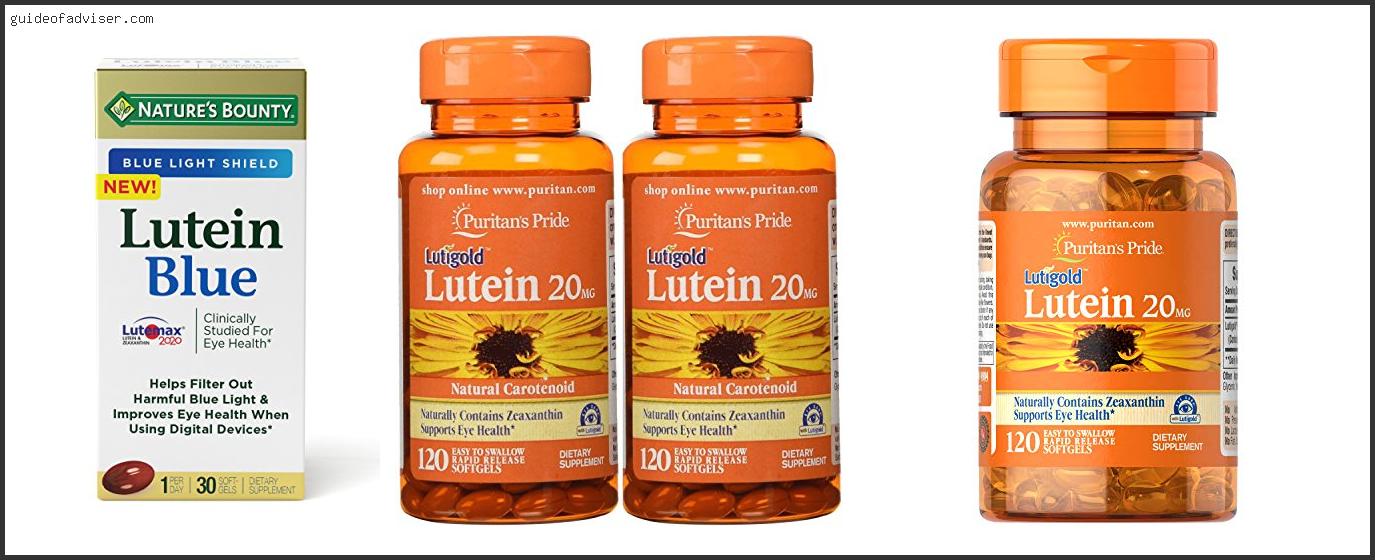
Now, back to the million-dollar question: which brand is the best? The truth is, there's no single definitive answer. The "best" lutein brand depends on individual needs and preferences. However, here are a few factors to consider:
- Dosage: Most studies suggest a daily intake of 10-20mg of lutein for optimal benefits. Check the label to ensure the supplement provides an adequate dose.
- Formulation: Some supplements contain lutein alone, while others combine it with zeaxanthin, vitamins, and other beneficial nutrients. Consider what best suits your individual needs.
- Source: Lutein is often derived from marigold flowers. Look for reputable brands that use high-quality, standardized extracts.
- Third-Party Testing: Choose supplements that have been independently tested for purity and potency. Look for certifications from organizations like USP, NSF International, or ConsumerLab.
- Bioavailability: Some forms of lutein may be more easily absorbed by the body than others. Talk to your doctor or a registered dietitian about which form might be best for you.
Want to explore lutein further? Start by incorporating more lutein-rich foods into your diet. Think kale, spinach, collard greens, broccoli, corn, and egg yolks. Next, research different lutein supplements and compare their ingredients and certifications. Talk to your doctor or a registered dietitian before starting any new supplement regimen, especially if you have underlying health conditions or are taking other medications. By taking a proactive approach and educating yourself, you can make informed choices about how to support your eye health and overall well-being.