Which Best Describes The Outcome Of Dna Replication
Hey there, curious minds! Ever wondered how life keeps on, well, living? How a tiny cell can become a whole you (or a whole anything, really)? A big part of that magic trick is something called DNA replication. And trust me, it's way cooler than it sounds! Think of it as the ultimate copy-and-paste function, but for life itself.
So, What's the Big Deal with DNA Replication?
Okay, so DNA is like the master blueprint for everything that makes you you – your eye color, your height, even whether you prefer chocolate or vanilla (important stuff, right?). Now, whenever a cell divides – whether it's to grow, repair a boo-boo, or, you know, become a whole new organism – it needs to make sure that each new cell gets a complete and accurate copy of that blueprint. That's where DNA replication struts its stuff!
Imagine trying to build a Lego masterpiece without instructions. Nightmare, right? DNA replication is like making sure every cell gets its own perfect instruction manual, so they all know exactly what to do.
Must Read
The Million-Dollar Question: What's the Outcome?
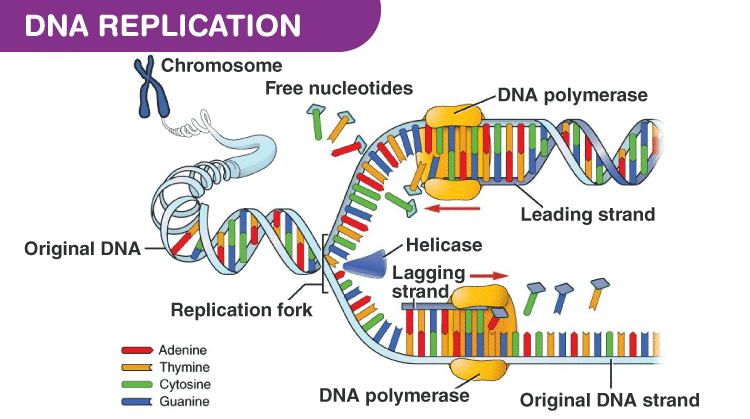
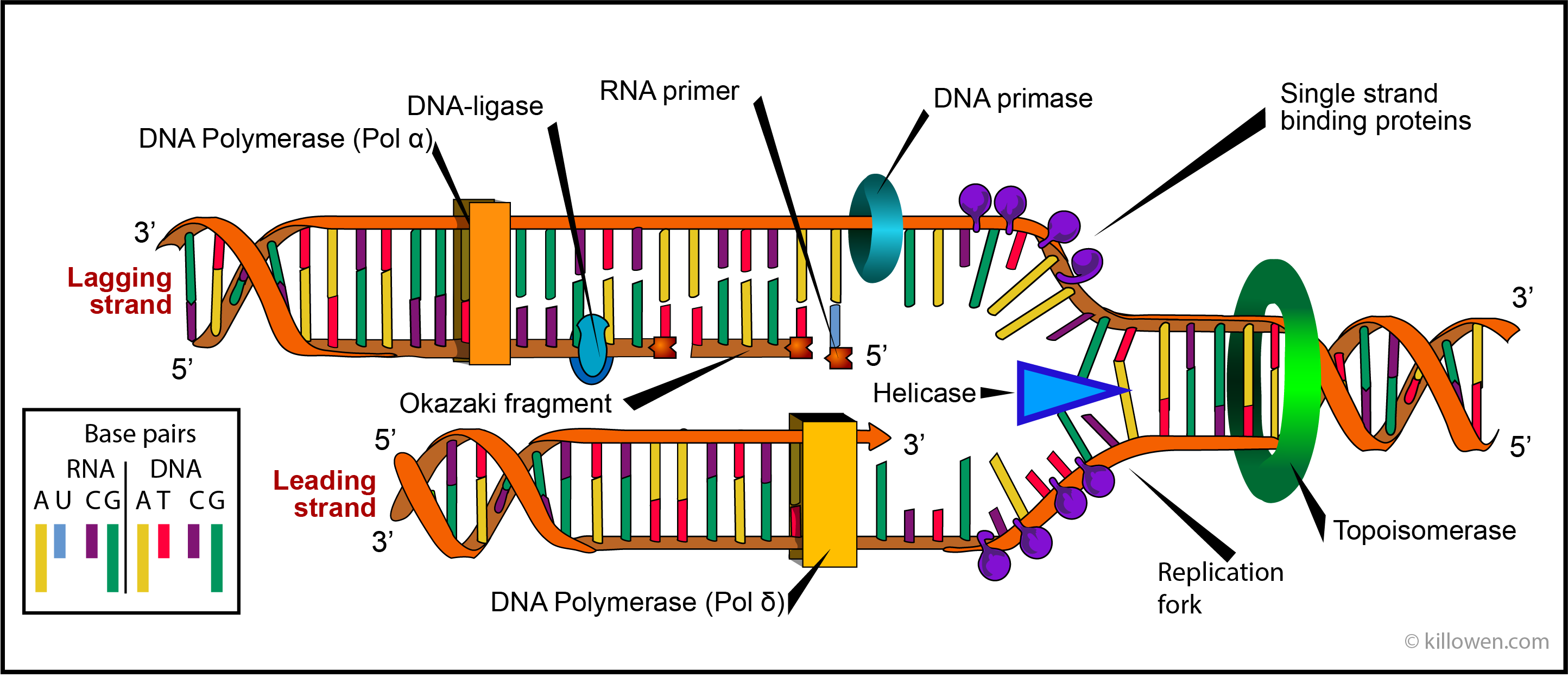
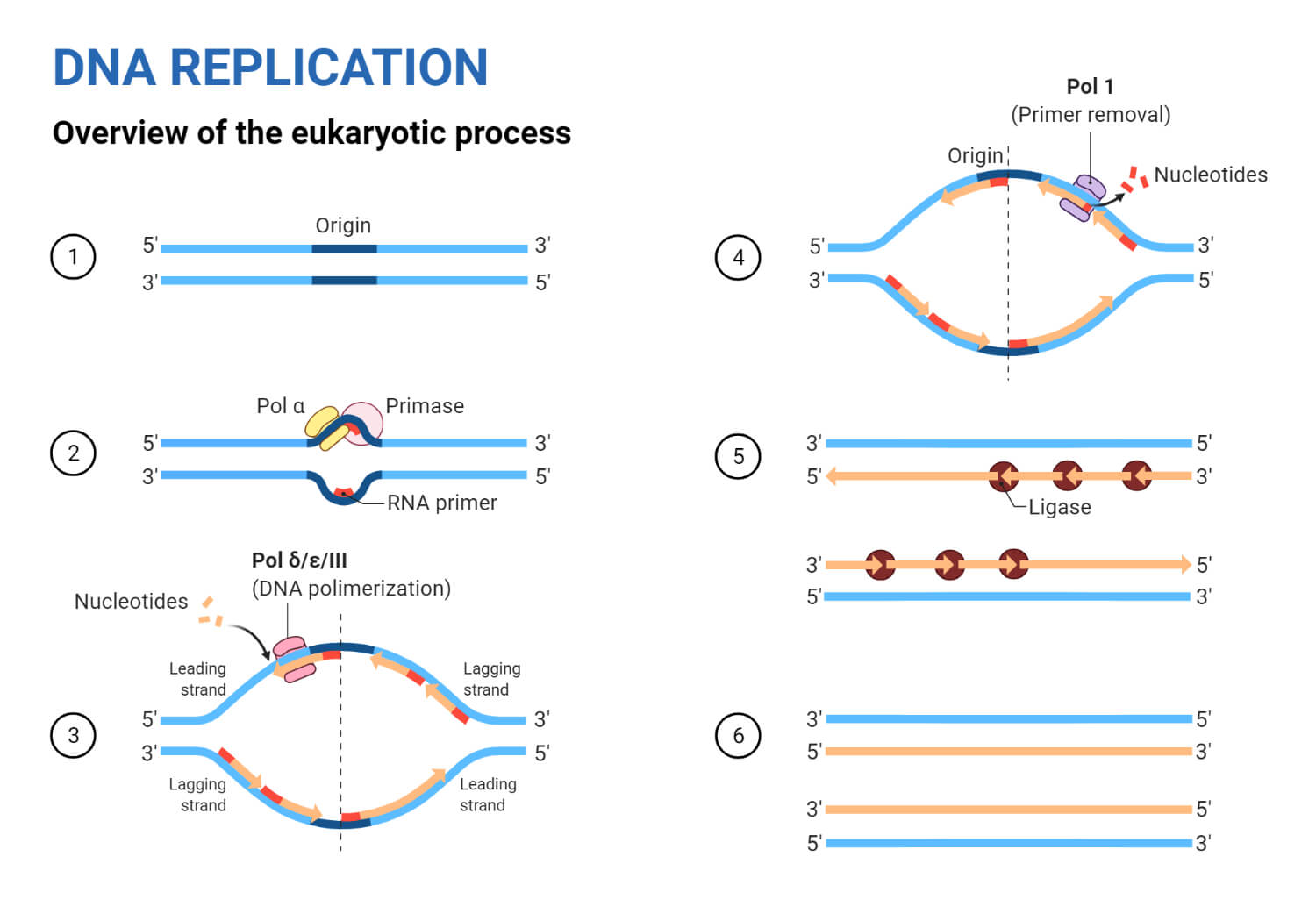
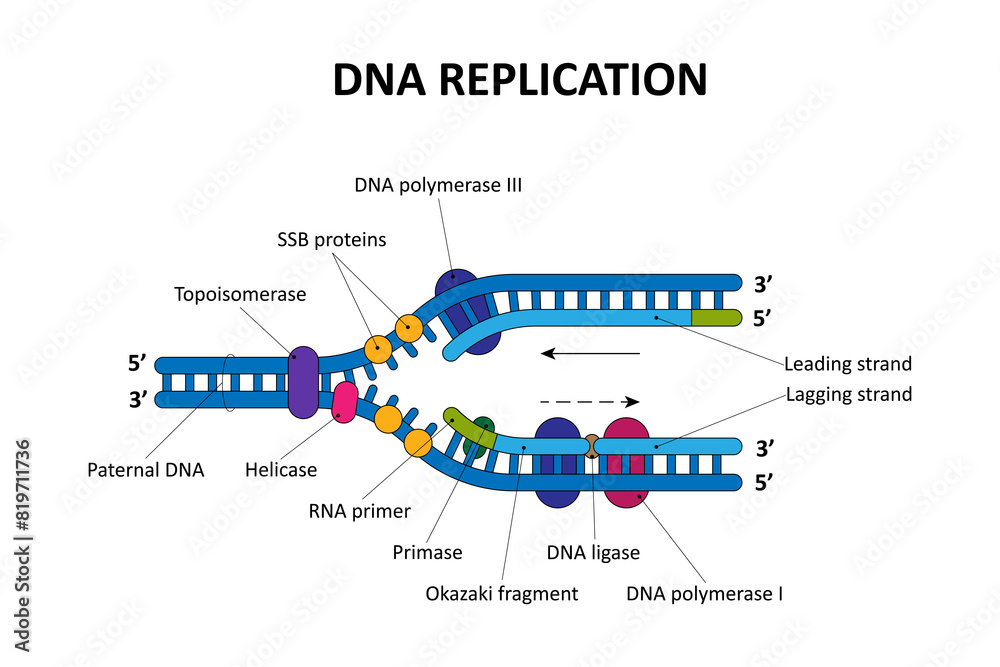
Alright, let's cut to the chase. What exactly happens after all that molecular machinery whirs into action? Drumroll, please… The outcome of DNA replication is two identical DNA molecules, each containing one original strand and one newly synthesized strand! Yep, that's right. It's not just a copy; it's like having the original blueprint and a perfect, brand-new duplicate right next to it.
Think of it like this: You have a beautiful, antique book (your original DNA strand). You want to share it with a friend, but you don't want to risk damaging the original. So, you carefully make a high-quality photocopy. The photocopy is your new DNA strand. Now you have two books – the original, safe and sound, and a perfect copy to share! Pretty neat, huh?
Why “Semi-Conservative” Replication Matters (Don't Panic!)
You might hear scientists throwing around the term "semi-conservative replication." Sounds intimidating, but it's actually quite elegant. It just means that each new DNA molecule keeps one of the original strands (it's being "conserved," see?). This acts like a template, ensuring the new strand is an accurate copy.
This "semi-conservative" approach is super important for maintaining genetic stability. It's like having a reference point – a constant reminder of what the DNA should look like. Less room for errors, and more room for, well, life!
Why Should You Care About DNA Replication?
Okay, I get it. Molecular biology might not be everyone's cup of tea. But understanding the basics of DNA replication can unlock a whole new level of appreciation for the world around you. Think about it: This incredibly intricate process is happening in your body right now, billions of times over! It's the foundation of growth, repair, and even evolution!
And beyond the sheer awe-inspiring nature of it all, understanding DNA replication has huge implications for medicine. Think about treatments for genetic diseases, or new ways to fight cancer. The more we understand how DNA works, the better equipped we are to tackle some of the biggest challenges facing humanity.

Ready to Dive Deeper?
So, there you have it! DNA replication, in a nutshell. It's all about creating two identical DNA molecules from one original, ensuring that every cell gets its own perfect instruction manual. Isn't it amazing how something so small can have such a profound impact on everything?
This is just the tip of the iceberg, of course. There's a whole universe of molecular biology waiting to be explored. But hopefully, this little glimpse into the world of DNA replication has sparked your curiosity and left you feeling inspired. So go forth, explore, and never stop asking "why?" The universe is full of wonders just waiting to be discovered!
Don't let the science intimidate you, you've got this!