
Where To Throw Away Light Bulbs

The Great Light Bulb Mystery
Ah, the dreaded moment. A light bulb flickers. Then it goes dark. Utter darkness descends.
You sigh. It means replacing it. But then a new thought creeps in.
Where does the old, dead bulb go? This isn't just any trash. This is a light bulb.
Must Read
The Old Faithful: Incandescent Bulbs
Remember those classic bulbs? The ones with the glowing wire inside?
They were simple. They were hot. And they were everywhere.
When an incandescent bulb dies, there's no real mystery.
A Simple Goodbye
For these old friends, the answer is usually straightforward. Just carefully wrap it.
Then, gently place it in your regular household trash.
No fuss, no muss. Just a quiet farewell.
"Sometimes, the simplest path is the brightest one."
The Newer Generations: A Bit More Thought?
Then came the new kids on the block. They promised energy savings. They promised a longer life.
But they also brought new questions. Are they truly just trash?
This is where the light bulb dilemma really started to shine.

Compact Fluorescent Lights (CFLs): The Mercury Question
Remember CFLs? Those swirly, twisty bulbs?
They contained a tiny amount of mercury. This made us all pause.
Suddenly, the trash can felt like the wrong place.
Many places suggest recycling these. Home improvement stores often have drop-off bins.
But let's be honest. How many of us actually remember to do that?
Or keep a dead CFL in a box for months, waiting for a special trip?
"My dead CFL collection box is getting quite full. One day, I swear, one day!"
If you have one, and a recycling option is super easy, then go for it.
Otherwise, many would argue, the environmental impact of one tiny bit of mercury is often overblown.
Especially if it means it sits in your garage for years instead of going to a landfill.
LED Bulbs: The Techy Future
And now we have LEDs. Light-Emitting Diodes.
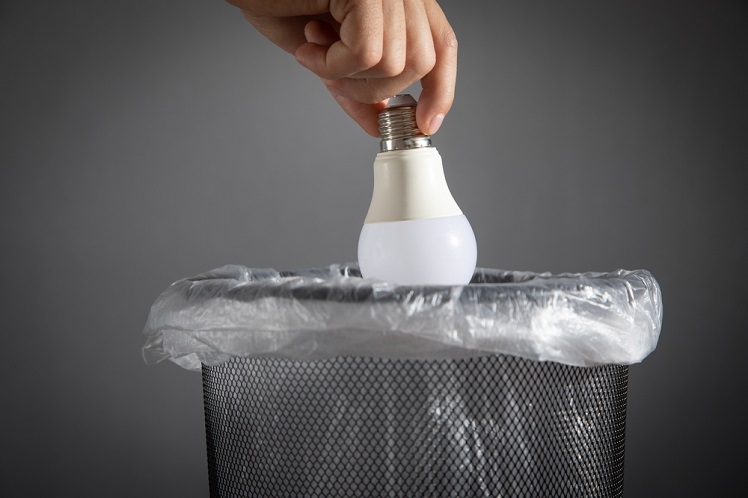
They last forever, practically. They use very little energy.
Are they recyclable? Technically, yes, many components can be.
Do regular recycling centers accept them? That's the tricky part.
It really depends on your local rules. Some do, some don't.
Most don't contain hazardous materials like mercury.
The Internal Debate: To Recycle or Not To Recycle?
This is where the mental gymnastics begin. You hold the dead bulb.
Your conscience whispers, "Is this bad?"
You start picturing landfills, turtles, polar bears. All from one tiny bulb.
You might even open a new browser tab. "Where to recycle light bulbs near me?"

Only to find a list of places that are closed, or too far, or only accept them on Tuesdays between 2 and 2:05 PM.
The quest for environmental perfection can be exhausting.
"Sometimes, a broken bulb feels like a moral failing."
My (Unpopular?) Opinion: Keep It Simple!
Here's the thing. Life is complicated enough. Light bulbs shouldn't add to the stress.
Unless you're dealing with a broken CFL or have a very easy recycling option, don't overthink it.
For Most, The Trash Can Awaits
For your standard incandescent bulbs, and even most LEDs, the regular trash is usually fine.
Wrap them in some newspaper or a plastic bag. This prevents cuts.
Then, into the bin they go. Out of sight, out of mind.
Focus your recycling efforts on truly impactful items. Think plastics, paper, and cans.
Those items have much clearer and more accessible recycling streams.
Don't let a light bulb become a source of guilt.

When to Go the Extra Mile
If you have a collection of CFLs and a local store offers a simple drop-off, absolutely use it.
That's being a responsible citizen. It's fantastic.
But if it requires a special pilgrimage, or a day trip, perhaps reconsider.
The goal is to live sustainably, not to drive ourselves mad.
A little bit of common sense goes a long way. More so than a long drive for one bulb.
Shine On, You Crazy Diamond!
So, next time a bulb burns out, take a deep breath. You're doing great.
For most bulbs, a simple farewell into the trash is perfectly acceptable.
If it’s a CFL, and recycling is a breeze, great! If not, don’t lose sleep over it.
Let's save our energy for bigger environmental battles.
And let's enjoy the light these little inventions bring to our lives.