Where To Put Carbon Monoxide Detector
In a world bustling with smart homes, connected devices, and gadgets designed to make life easier, there's one unsung hero that doesn't stream music or order groceries, but quietly stands guard over your most precious asset: your family. We're talking about the humble carbon monoxide (CO) detector. While you might not "enjoy" shopping for one like you would a new espresso machine, the feeling of profound peace of mind it provides is a luxury beyond measure. It’s the invisible shield that lets you sleep soundly, knowing a silent threat won’t catch you unaware.
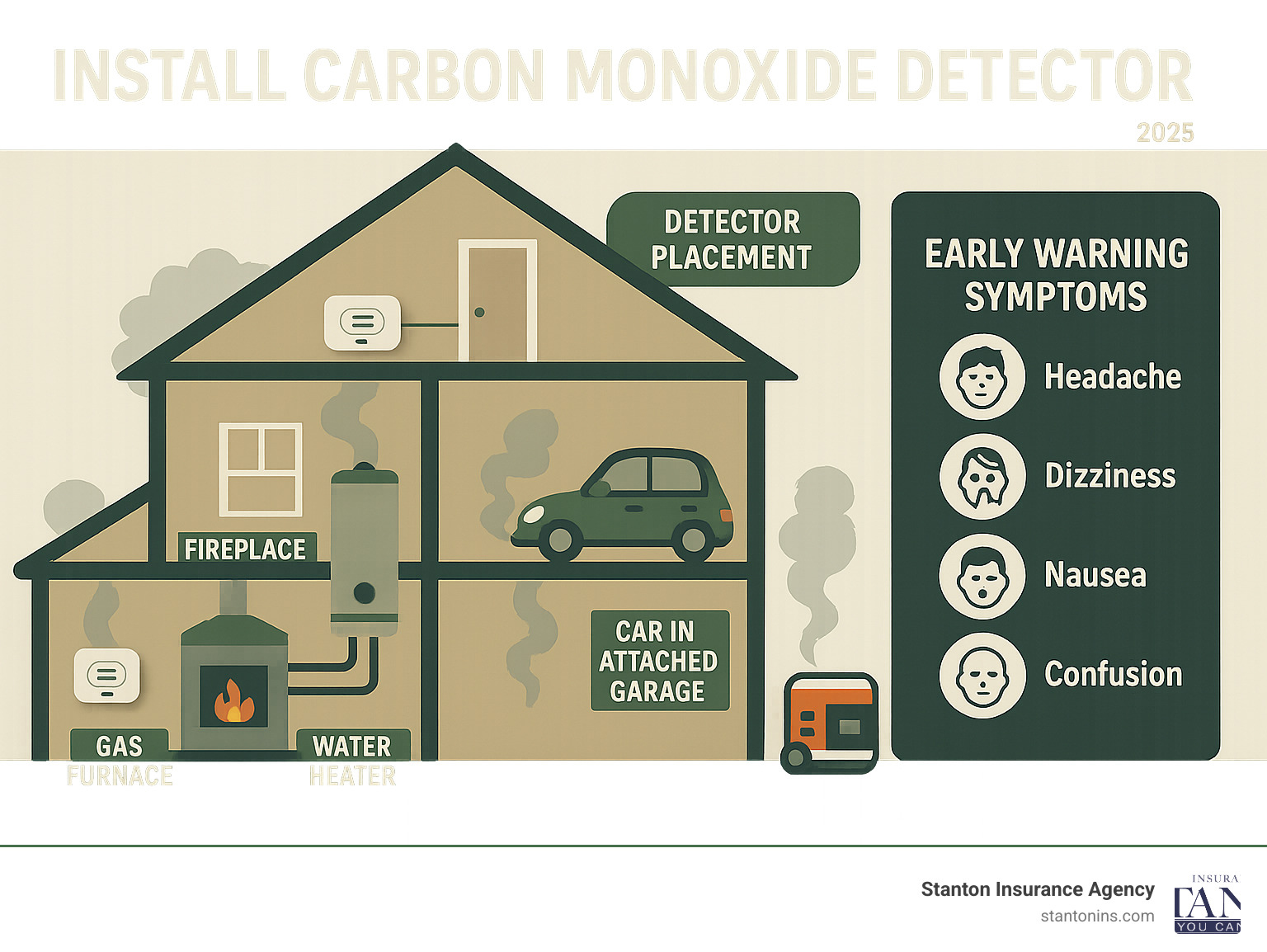
The benefit of a CO detector is singularly vital: it's a lifesaver. Carbon monoxide is often dubbed the "silent killer" because it's an insidious gas—colorless, odorless, and tasteless. It’s produced when fuels like gas, oil, coal, and wood don't burn completely. Your furnace, water heater, gas stove, fireplace, or even a car left running in an attached garage can all be sources. Without a detector, its presence can go unnoticed until symptoms like headaches, dizziness, nausea, and fatigue manifest, often mistaken for the flu. By then, it might be too late. A detector's loud alarm gives you crucial time to evacuate and seek fresh air, turning a potentially tragic situation into a preventable one.
So, where should this guardian angel be placed to ensure it performs its life-saving duty effectively? It’s not just a matter of plugging it in anywhere. Think of it like setting up surveillance: you want it where it can see (or, in this case, "sniff") the most critical areas. Here are some practical tips to make your CO detector work its hardest for your safety:
Must Read
On Every Level of Your Home: This is non-negotiable. CO spreads throughout the house, and while it's often slightly lighter than air when warm, it mixes with ambient air. Having a detector on each floor, including the basement, ensures comprehensive coverage.
Near Sleeping Areas: Install a detector outside of each separate sleeping area, and ideally, inside each bedroom if your budget allows. People are most vulnerable to CO poisoning when they’re asleep and less likely to recognize symptoms. Placing them where you spend a significant amount of time unconscious is paramount.

How To Install Hardwired Smoke / Carbon Monoxide Detector - DIY Step By Close to Fuel-Burning Appliances (But Not Too Close!): Place a detector within 15 feet of sources like your furnace, water heater, or fireplace. This allows it to detect CO at its potential origin. However, avoid placing it directly next to these appliances, as a brief puff of CO during start-up might trigger a false alarm. Manufacturers usually recommend at least 5-20 feet away.
At the Right Height: While CO mixes with air, many experts recommend placing detectors at chest height or about 5 feet off the ground. This makes them easy to hear, see the display, and test regularly. Follow your specific manufacturer's instructions, as some models are designed for ceiling placement while others are better lower down.
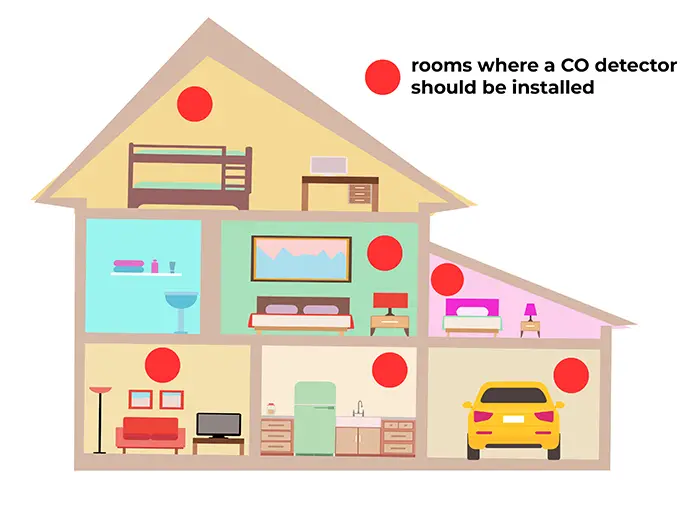
Carbon Monoxide Detector Placement: A Helpful Illustrated Guide Avoid "No-Go" Zones: Don't place detectors in direct sunlight, in dusty areas (like utility closets), or in areas with high humidity (like bathrooms or very close to showers), as these can interfere with their sensors or cause false alarms. Also, keep them away from air vents, fans, or doors, which could blow CO away from the sensor or prevent accurate readings.
Beyond placement, remember to test your detectors monthly and replace them according to the manufacturer's recommendations, typically every 5-7 years. Investing a little time in proper placement and maintenance means your CO detector can fulfill its silent, life-saving promise, giving you the ultimate peace of mind. It’s not just a gadget; it’s a guardian.