Where To Put Carbon Monoxide Detector In Home
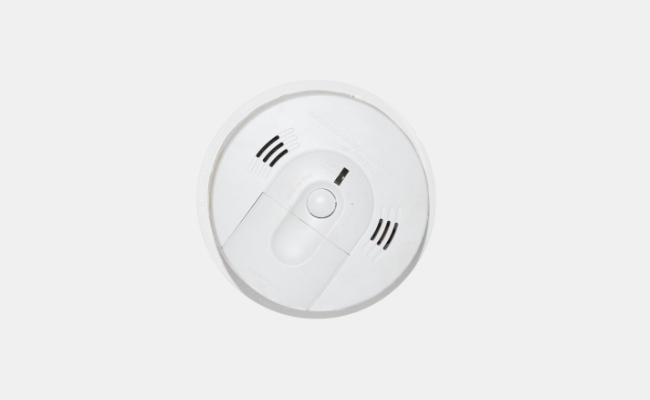
Alright, let's talk about one of those super-important gadgets that's way less exciting than a new smart speaker, but way more important than, say, finding matching socks! We're diving into the thrilling world of carbon monoxide detectors, specifically, where on earth to put these silent heroes so they can do their best work. Think of it as a treasure map, but instead of gold, the treasure is your peace of mind and, you know, not breathing invisible nasties.
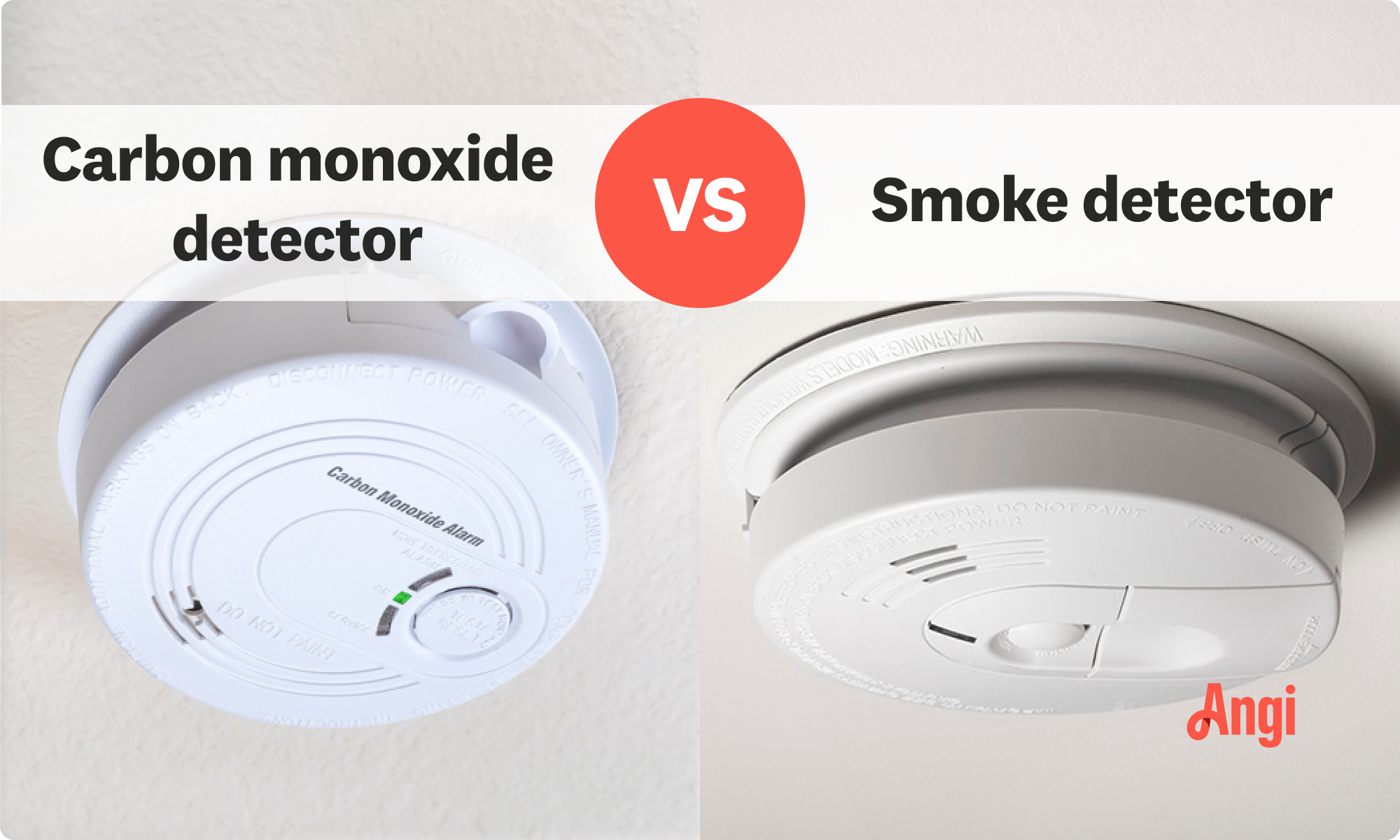
Now, before you go sticking these things willy-nilly, let's get one crucial thing straight: a carbon monoxide detector isn't your average smoke detector's identical twin. Nope! Smoke rises, so smoke detectors live their best lives on the ceiling. Carbon monoxide, however, is a bit more of a free spirit, mixing with the air like that one guest who blends into every party. It's roughly the same density as air, which means it hangs out everywhere. So, no need for Olympic-level ladder climbing just yet!
The Golden Rule: Where the Air Is Good, But CO Might Not Be
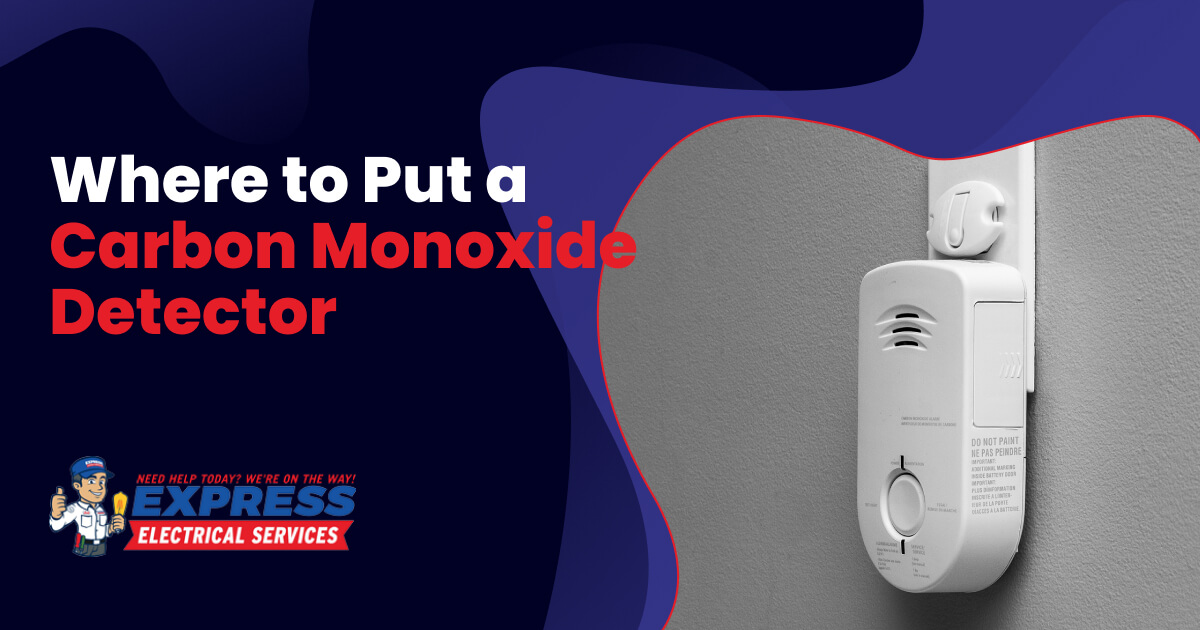
Picture this: you're trying to eavesdrop on some juicy gossip. Where do you stand? Probably somewhere you can hear, right? Your CO detector needs to be in similar prime listening spots, but for air. We're generally talking about wall placement, a few feet down from the ceiling – typically about five feet off the floor is a sweet spot, or about chest height if you're a reasonably tall person. Some models are happy closer to the floor, but let's stick with the wall for now, as it’s a good general recommendation.
Must Read
Sleeping Quarters: Your First Line of Defense!
Your CO detector's absolute favorite place to be? Near you when you're dreaming of puppies and rainbows! Think of it as your bedside guardian.
This is non-negotiable, folks! Carbon monoxide is a sneaky, odorless, colorless gas. It's the ultimate invisible party crasher. And when you're asleep, your super-sniffer (a.k.a. your nose) is off duty, taking a break. That's why you absolutely, positively need a detector outside each separate sleeping area. Got three bedrooms down a hall? One detector strategically placed in that hallway should cover them all. But if your master bedroom is on the other side of the house, it needs its own vigilant friend nearby. Better safe than sorry, right?

Every Level, Every Time!
If your home is a multi-story mansion (or even a cozy two-story abode), you're going to need a detector on every single level. Yes, even the basement! Carbon monoxide doesn't care if you're up in the penthouse or chilling in the rec room. It travels. So, ground floor? Check. Second floor? Check. Basement where you keep your mysterious boxes and maybe a vintage furnace? Double check! Think of it like giving each floor its own set of eyes and ears.
The Appliance Alley: Where CO Might Get Brave
Now, let's talk about the source. Carbon monoxide is a byproduct of incomplete combustion. Translation: anything that burns fuel can potentially make it. We're talking about your furnace, your water heater, your gas fireplace, even your clothes dryer if it's gas-powered. You don't want to place a detector right next to these appliances (they might get a little grumpy with false alarms from normal, tiny emissions). But you do want one in the general vicinity, say, 15-20 feet away. It's like having a bouncer near the VIP section, not in the VIP section. This also applies to an attached garage entrance – CO from a running car can seep in!
Places Where Your Detector Will Be Unhappy (and Unhelpful!)
Just like you wouldn't put your ice cream cone directly on a hot stove, there are places your CO detector really, really doesn't want to be:
- Direct sunlight or heat sources: These can mess with its sensitive little sensors. Think of it wanting a nice, stable room temperature, just like Goldilocks.
- Near vents, fans, or open windows/doors: A strong draft can whisk away CO before the detector gets a chance to sniff it out. It needs still air to do its job properly.
- High humidity areas: Skip the steamy bathroom or laundry room. Moisture isn't its friend.
- Behind curtains or furniture: Don't smother your superhero! It needs clear space to breathe (and detect!).
- In dead air spaces: Think corners where air doesn't really circulate. It needs to be where the air actually moves around.
Ultimately, your carbon monoxide detector is a silent, diligent guardian, and putting it in the right spot is like giving it its very own cape and a spotlight. It's a small task with a huge payoff: keeping you and your loved ones safe and sound. So go forth, place those detectors wisely, and rest easy knowing your home is a fortress against invisible dangers!