Where To Put Carbon Monoxide Detector In Bedroom
Let's talk about something incredibly important yet often overlooked: the humble carbon monoxide detector. Now, you might be thinking, "Fun? Engaging? About safety equipment?" And my answer is a resounding yes! Because what's more engaging than becoming a safety superhero in your own home, armed with knowledge to protect your loved ones from an invisible threat? Understanding where to place your carbon monoxide (CO) detector, especially in your bedroom, is not just useful; it's absolutely vital for ensuring a good night's sleep, knowing you're safe and sound.
So, why all the fuss? Carbon monoxide is often dubbed the "silent killer" for a reason. It's an invisible, odorless, and tasteless gas produced by common household appliances that burn fuel – think furnaces, water heaters, gas stoves, fireplaces, and even your car if it’s running in an attached garage. When CO is inhaled, it replaces oxygen in your blood, rapidly leading to symptoms like headaches, dizziness, nausea, and confusion, which can easily be mistaken for the flu. In high concentrations, or prolonged exposure, it can cause unconsciousness, brain damage, and even death. That's why the purpose of a CO detector is nothing short of life-saving: it's your early warning system, giving you precious time to evacuate and seek help. The benefit? Pure, unadulterated peace of mind.
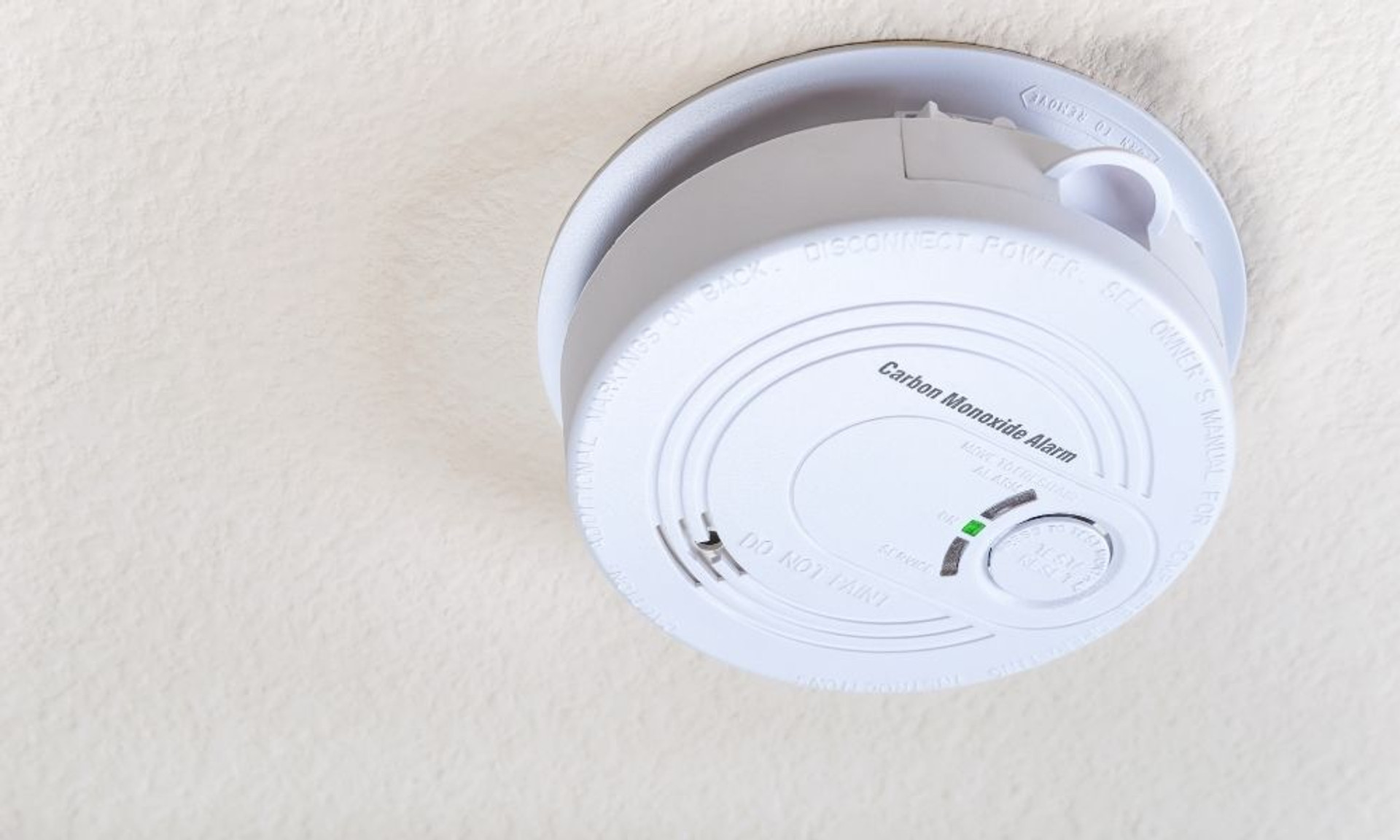
Now, let's get down to brass tacks: where exactly should this little guardian angel go in your bedroom? Unlike smoke detectors, which typically belong on the ceiling because smoke rises, carbon monoxide mixes with air. This means it doesn't necessarily rise to the ceiling or sink to the floor. Most experts and manufacturers recommend placing CO detectors at a medium height – roughly eye level, or about 5 feet from the floor. This is often a good compromise for detecting the gas where people are most likely to breathe it. If you have a plug-in model, an outlet that meets this height recommendation is perfect. The key is to place it close enough to where you sleep to wake you up if an alarm sounds, but not so close that it becomes a nuisance or is subject to false alarms.
Must Read
A few crucial tips for bedroom placement:
- Not on the ceiling: Again, CO disperses evenly, unlike smoke.
- Away from direct sunlight or heat sources: Extreme temperatures can affect the sensor.
- Steer clear of vents, windows, or doors: Air currents can give false readings or prevent CO from reaching the sensor.
- Avoid within 5 feet of fuel-burning appliances: This prevents nuisance alarms from small, normal emissions.
- Keep it out of reach of pets and children: You don't want it tampered with!
Finally, remember that one detector isn't enough for your entire home. Ideally, you should have CO detectors on every level of your house, outside each separate sleeping area, and of course, inside each bedroom. Test your detectors regularly (usually monthly) and replace them according to the manufacturer's recommendations – typically every 5-7 years. By taking these simple steps, you're not just installing a gadget; you're investing in the safety and well-being of everyone under your roof. Go ahead, be that safety superhero!