
Where To Put Carbon Monoxide Alarm In House
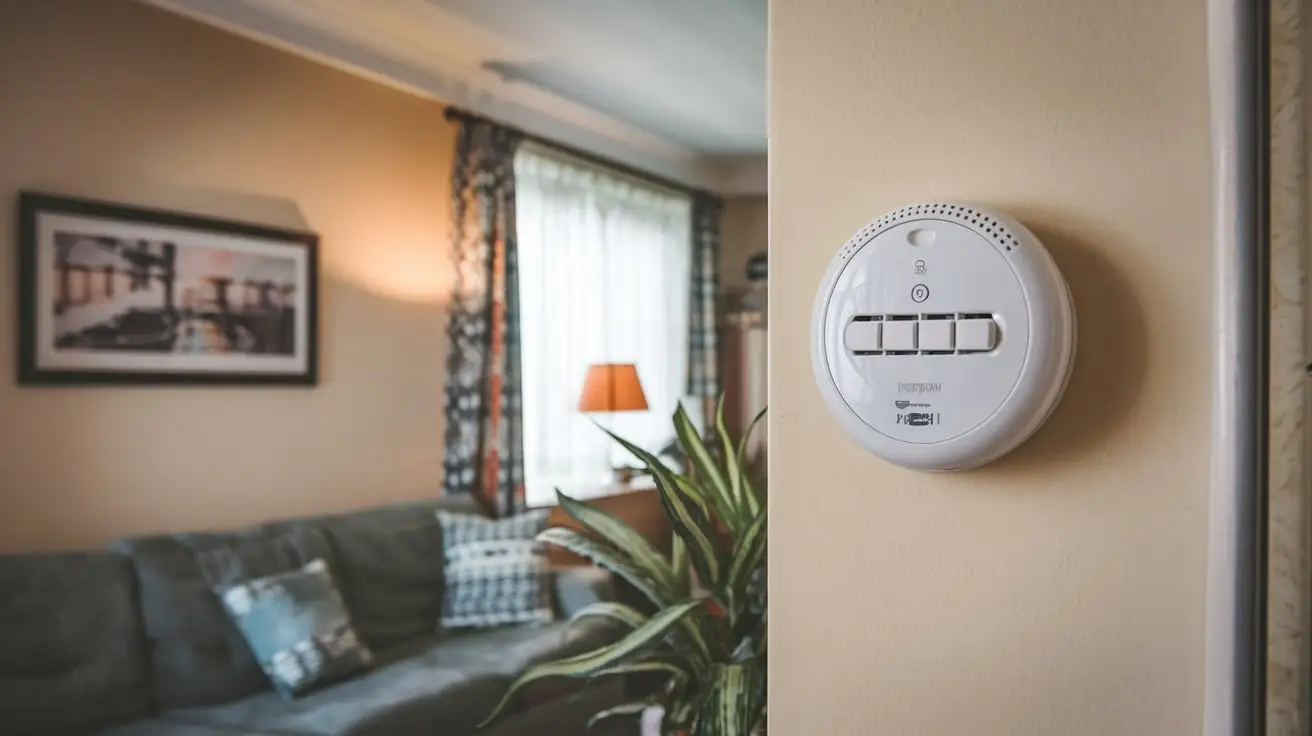
Ever thought about those little carbon monoxide (CO) alarms we're all told to have? They’re like tiny guardians standing watch in our homes, and honestly, they do a super important job. But here's the thing: knowing where to put them can feel a bit like trying to solve a riddle, right? No worries, let's chat about it in a relaxed way, maybe even share a chuckle or two, and make sure your home is as safe as it is cozy.
Why Bother with CO Anyway? Let's Talk Invisible Ninja!
Imagine a ninja. Silent, undetectable, and can cause a lot of trouble without you ever knowing it's there. That's kinda like carbon monoxide. It's an invisible, odorless, tasteless gas, making it incredibly sneaky. It’s produced when fuels like gas, oil, wood, or propane don't burn completely – think furnaces, water heaters, fireplaces, or even your car if you leave it running in a closed garage. The scary part? It can make you sick, and in high concentrations, it can be fatal. Yikes!
But here's the good news: a CO alarm is like giving your home a superpower – the ability to smell the invisible ninja! And when it comes to peace of mind, especially when you're dreaming of fluffy clouds and morning coffee, that's priceless.
Must Read
First Things First: The Golden Rules of Placement
1. Your Sleepytime Zone: Guard Those Zzz's!
This is probably the most important rule. You want a CO alarm near or in every area where people sleep. Think of it like this: when you're tucked in, sound asleep, your body is less likely to notice subtle changes or symptoms of CO poisoning. It's like having a little sentry standing guard right outside your bedroom door. So, before you drift off to dreamland, make sure your alarm is ready to chirp if there's any danger.
If you have multiple bedrooms, try to get one within hearing distance of each. It's all about making sure that little alarm has the best chance to wake you up if something’s amiss.

2. Every Level, Every Story: Don't Forget the Basement!
Think of your home like a multi-story cake. You wouldn't frost just one layer, would you? Similarly, you need a CO alarm on every single level of your home, including the basement. Carbon monoxide spreads throughout the house, and because it mixes with air, it can be found at any height. So, whether it's your main floor where you binge-watch shows, the upstairs where everyone sleeps, or the basement where the furnace lives, make sure each floor has its own watchful guardian.
Especially if you have a basement with a furnace, water heater, or even a cozy rec room, that spot needs a CO alarm. It's like giving each floor its own little security detail.
3. Close to the Culprits: Keep an Eye on Fuel-Burning Appliances!
Okay, remember our "invisible ninja" metaphor? These appliances are often where the ninja originates. So, it makes sense to place an alarm near your furnace, water heater, stove, fireplace, or even a gas dryer. Think of it as strategic placement, like a detective staking out the most likely suspect's hangout.

However, don't put it right next to the appliance. You want it far enough away not to get false alarms from normal burning (like a quick puff from the fireplace) but close enough to detect a problem early. A good rule of thumb is about 10-15 feet away. Too close, and normal operation might trigger it; too far, and it might not catch a leak quickly enough.
Where NOT to Put It: A Few No-Go Zones
Just as important as knowing where to put them is knowing where not to. Some spots can mess with your alarm's accuracy:

- Right next to a window or exterior door: Drafts can affect readings.
- In humid areas like bathrooms: Moisture can damage the sensor.
- Too close to cooking appliances: Normal cooking fumes can cause false alarms.
- In dusty or dirty areas: Dust can clog the sensor.
- In direct sunlight or extreme temperatures: These can also affect the sensor's performance.
Basically, you want a spot that's relatively stable and out of the direct line of anything that might interfere with its sensitive little nose.
A Few More Handy Tips for Your Home's Hero
Height Matters (Sometimes): Unlike smoke alarms which usually go on the ceiling, CO is generally recommended to be placed at chest height or higher. Why? Because CO mixes with air, and placing it lower (like near the floor) might not be as effective in picking up changes quickly. However, always check the manufacturer's instructions for your specific alarm – they know their product best!
Don't Hide It Away: While we all love a sleek, minimalist look, don't tuck your CO alarm away in a cabinet or behind a curtain. It needs to be in an open space where air can circulate freely around it.
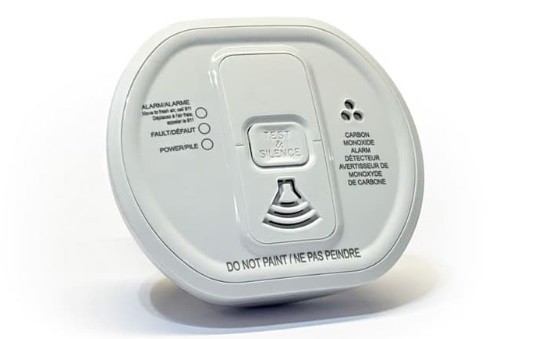
Test It Regularly: Just like checking the batteries in your smoke detector, push that test button once a month! It's a quick peace-of-mind check to make sure your silent guardian is still on duty. And remember to replace the unit according to its lifespan, usually 5-7 years. They don't last forever!
Wrapping It Up: Easy Peasy, Peace of Mind!
See? It's not so complicated after all! By strategically placing your carbon monoxide alarms – near sleeping areas, on every level, and close to fuel-burning appliances (but not too close!) – you're giving your home the best possible defense against that invisible ninja.
It's a small investment in time and money for a huge return: your family's safety and your precious peace of mind. So go ahead, give those little guardians their rightful spots, test them monthly, and then go enjoy your cozy, safe home. You've earned it!