
Where To Plug In Carbon Monoxide Detector
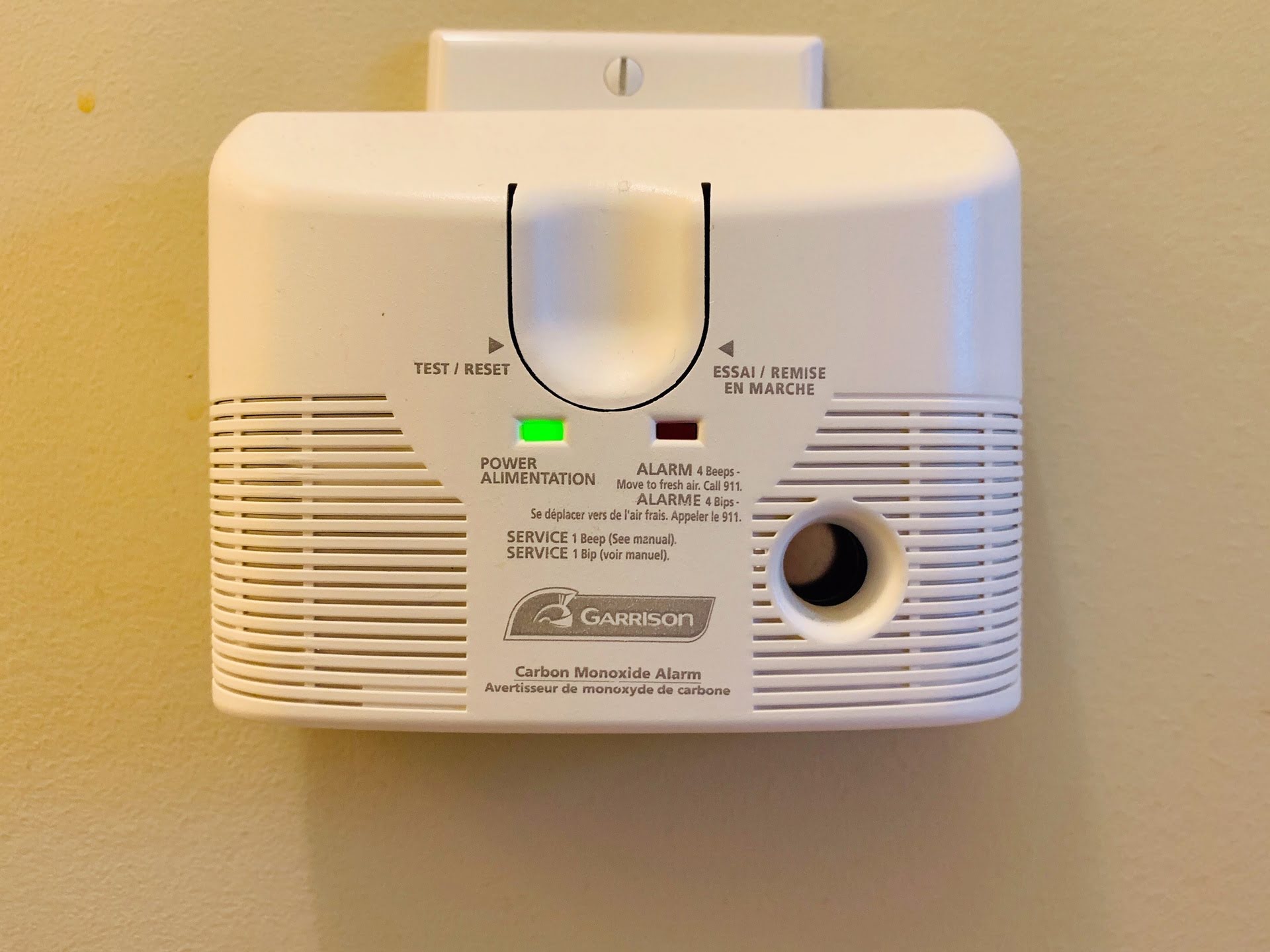
You’ve just unboxed your shiny new carbon monoxide detector. It looks sleek, perhaps a little futuristic, sitting there on your kitchen counter. You know it’s a silent guardian, a tiny hero in plastic, ready to stand watch over your home.
But then the great mystery unfolds: Where exactly does this little sentinel plug in? It’s not like a toaster or a lamp with an obvious purpose. This is a quest, a domestic puzzle of surprising depth.
The Great Unboxing: A Plug-in Predicament
Many of us instinctively reach for the nearest outlet. Maybe it’s the one behind the coffee maker, or perhaps that handy spot near the fruit bowl. After all, the kitchen is the hub of activity, right?
Must Read
However, the kitchen, with its bustling stovetops and diligent ovens, can be a bit of a trickster. It’s a hive of cooking fumes, which can sometimes trick your diligent little carbon monoxide detector into thinking there’s trouble when it’s just last night’s burnt toast.
Imagine your detector, diligently trying to discern between a harmless cooking mishap and a genuine threat. It's like asking a bouncer to distinguish between a celebratory cheer and a real emergency in a loud club. Poor thing!
So, while your kitchen is a wonderful place for culinary adventures, it’s not the ideal command center for your CO detector. We want our hero to be calm, collected, and free from false alarms, saving its energy for the real deal.
Bedroom Bliss: The Silent Slumber Savior
Now, let's talk about the unsung hero of home safety: the bedroom. This is where the magic, or rather, the vital protection, truly happens. Think about it: you spend a significant portion of your life in bed, completely unaware of what’s happening around you.
Your carbon monoxide detector becomes your personal bodyguard during these vulnerable hours. It's like having a tiny, dedicated watchman guarding your dreams, ensuring you wake up safe and sound. What a heartwarming thought!
Near the Bed, Not In the Bed
When plugging it into your bedroom, you want it close enough to be effective, but not so close it becomes a new bedside lamp. The wall outlet closest to your sleeping head is often a great choice.
Picture it nestled quietly, perhaps a few feet away from your pillow. It's a comforting presence, a silent promise of safety. You might even give it a little nod of appreciation before drifting off.
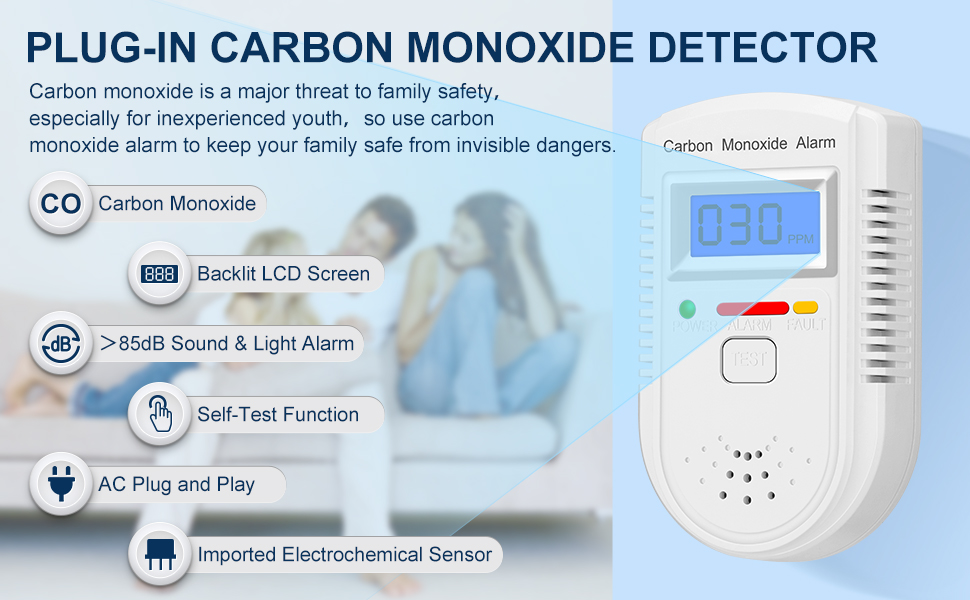
But what if you have multiple bedrooms? Ah, the plot thickens! For larger homes or those with several sleeping areas, the ideal strategy involves a team of these small guardians.
Having one detector in or near each sleeping area is the gold standard. It ensures that every family member, from the tiniest tot to the grumpiest teen, is under the vigilant gaze of these electronic protectors.
Hallway Hero: The Central Command Center
Beyond individual bedrooms, consider the main hallway connecting them. This acts as a central command post for your carbon monoxide detector network. It’s where the air from multiple rooms can mingle before reaching the outside.
Plugging a detector into a hallway outlet can offer broader coverage, acting as a general alert system for the entire sleeping wing of your home. It’s like the captain of the guard, overseeing the whole patrol.
Imagine a tiny, silent alert system, poised in the main thoroughfare of your home. It’s not just a plug-in device; it’s a vital thread in the fabric of your family’s security and peace of mind. That's a pretty powerful little gadget.
The Garage Guardian: A Surprising Sanctuary
Now for a slightly less obvious, but equally crucial, location: the garage. Many homes have attached garages, and this is where the plot takes an interesting, perhaps surprising, turn.
If you ever start your car in the garage, even just to let it warm up for a minute before pulling out, you’re introducing a potential source of

Plugging one in your garage is a smart move, especially if there’s a door leading directly into your living space. It’s a proactive step, catching any rogue CO before it even thinks about crossing the threshold into your home.
It’s like setting up an advanced perimeter defense. The garage detector is the first line of defense, a vigilant sentry ensuring the safety of your interior castle. Who knew a garage could hold such a critical hero?
Basement Bestie: Furnace and Water Heater Friends
Let's venture into the often-overlooked realm of the basement or utility closet. This is where some of the biggest culprits of CO production often reside: your furnace, water heater, and other fuel-burning appliances.
While these workhorses are usually safe, a malfunction can turn them into silent, sinister sources of trouble. Placing a carbon monoxide detector nearby is like giving them their own personal, tiny safety inspector.
It's important to remember these appliances operate quietly, often out of sight and out of mind. The detector here isn't just a precaution; it's a testament to thoroughness, ensuring every corner of your home is protected.
Think of it as setting up a protective bubble around your home's most essential, yet potentially risky, systems. It's a thoughtful, almost heartwarming act of vigilance for the machinery that keeps your home running smoothly.
The Great Height Debate: Up High or Down Low?
Here’s another common head-scratcher: should your carbon monoxide detector be plugged in up high near the ceiling, or down low near the floor? This is where many people get a little flummoxed.

Unlike smoke, which rises, carbon monoxide mixes evenly with the air. It’s like a quiet, invisible gas that doesn’t pick sides when it comes to altitude. So, the good news is, you don’t need to do any acrobatic feats to plug it in!
A standard wall outlet, usually about knee-to-waist height, is perfectly suitable. This makes life much easier and removes any need for ladders or awkward stretches. It’s a relief, isn’t it?
So, you can skip the mental gymnastics about where it should be vertically. Focus on the horizontal placement – near sleeping areas, where appliances burn fuel, and in central hallways. That’s the real secret sauce.
The "No-Go" Zones: Where Not to Plug In
Just as there are prime locations, there are also some definite "no-go" zones for your carbon monoxide detector. Avoiding these spots helps prevent those pesky false alarms and ensures peak performance.
Steer clear of directly plugging it behind curtains or furniture that might obstruct its sensors. Imagine trying to listen for danger with a blanket over your head; not very effective, right?
Also, avoid placing it too close to fresh air vents, doors, or windows. Rapid air currents can sometimes dilute the CO too quickly around the detector, making it less responsive to a real threat.
And yes, the bathroom, with its steamy showers, is another spot to avoid. Humidity can interfere with its delicate sensors, potentially leading to malfunctions. We want our hero to be dry and focused, not fogged up!

The Test Button Tango: A Fun Routine
Once you’ve found the perfect plug-in spot, your job isn’t quite done. Your carbon monoxide detector has a little secret: a test button! This isn’t just a button; it’s an invitation to a fun, little routine.
Pressing it once a month gives you a quick burst of sound, letting you know your guardian is alert and ready. It’s like giving your tiny hero a friendly pat on the back, or a quick "all clear" signal.
You can even turn it into a family game! Assign a different family member to be the "test button operator" each month. It’s a simple way to involve everyone in home safety, making it less of a chore and more of a shared responsibility.
This regular check-up ensures that your silent guardian remains effective, ready to sound the alarm if the invisible danger of CO ever tries to creep into your peaceful abode. It's a small act that brings immense peace of mind.
The Grand Finale: A Peaceful Home
So, where to plug in your carbon monoxide detector isn't just a technical instruction; it's a thoughtful decision that weaves into the rhythm of your home life. It’s about placing a small, vigilant friend where it can best serve and protect.
From the peaceful slumber of your bedrooms to the hidden machinery in the basement, each carefully chosen plug-in spot contributes to a larger tapestry of safety. It's a testament to the fact that even the simplest devices can bring profound peace of mind.
Embrace the unexpected joy in this simple act of plugging it in. It’s not just a gadget; it's a quiet guardian, a heartwarming presence, and a surprising hero in your everyday life. Plug it in wisely, and sleep soundly.