
Where To Place Smoke Detectors In A House
:max_bytes(150000):strip_icc()/where-to-place-smoke-detectors-1152485_V2-3c5086adfaa646d69d312b45d342c621.png)
Hey there, ever just kinda… look at your smoke detectors? Those quiet little guardians, often tucked away, silently standing guard? We all know they’re super important for keeping us safe, but have you ever paused to wonder if they’re actually in the best spot? It’s not just about slapping them on any old ceiling; there’s a whole cool science and strategy behind where to place smoke detectors, making sure they’re like tiny, super-effective superheroes for your home.
Why Does Placement Even Matter, Anyway?
Think of it like this: a smoke detector is essentially a nose with a really loud voice. Its job is to sniff out trouble – even the faintest whiff – and then scream for help. But just like our own noses, it needs to be in a good spot to catch those signals. If it’s too far from the action, or in a place where smoke rarely travels, it might miss the crucial early warning. And when it comes to fire, every single second counts. We’re talking about giving you and your family those precious extra moments to get out safely. Pretty important, right?
The Golden Rules: Bedrooms First!
This is probably the most crucial advice you’ll hear. Your primary goal is to make sure everyone wakes up if a fire starts, especially when they’re deep in dreamland. So, where should your smoke detectors be in relation to your sleeping spaces?
Must Read
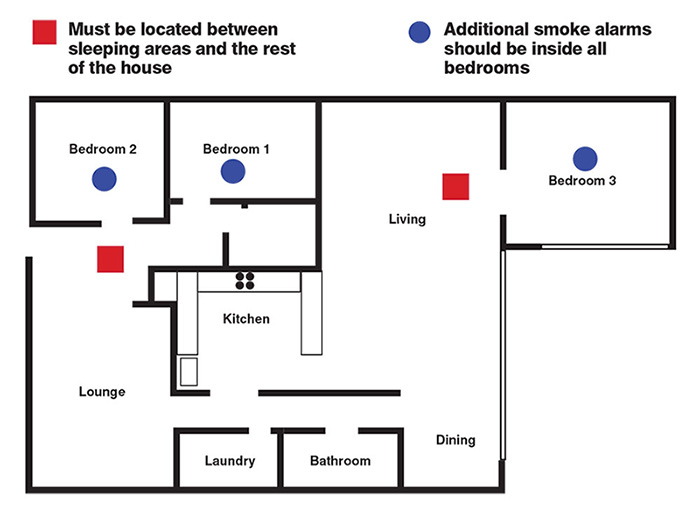
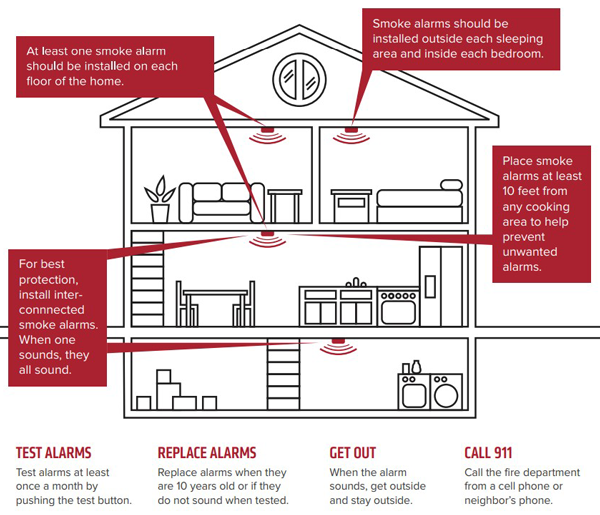
First up, you need them outside of every sleeping area. Imagine a hallway with two bedrooms off it – you'd want a detector right there in the hallway. This is like the neighborhood watch for your entire sleeping zone. It’s the first line of defense, ready to shout if trouble brews nearby.
But here’s a pro tip that’s often overlooked: consider placing a smoke detector inside each individual bedroom too, especially if people tend to sleep with their doors closed. A closed door, while good for privacy, can slow down smoke entering a hallway from inside the room. A detector in the room itself is like having a personal alarm clock for smoke – ensuring the fastest possible alert!

Don't Forget the Floors: Every Level's A Winner!
Another fundamental rule is to have at least one smoke detector on every single level of your home. Yes, that means the main floor, the upstairs, and even the basement. Smoke rises, but it also spreads. A fire starting in your basement could quickly impact the entire house, and a detector on that level is key to early detection. Think of each floor as a different zone, and each zone needs its own vigilant guardian.
Kitchens, Living Rooms, and Other Hangouts
Okay, kitchens are where a lot of “smoke” can happen – from a forgotten piece of toast to a sizzling stir-fry. So, should you put a smoke detector in the kitchen? Generally, the answer is a cautious no. Why? Because you'll probably get more false alarms from everyday cooking than actual fires, leading you to maybe even disconnect it (which is a big no-no!).
Instead, place your kitchen smoke detector about 10 feet away from cooking appliances. This gives it enough distance to avoid nuisance alarms from everyday cooking fumes but still be close enough to detect a real kitchen fire quickly. Think of it as placing a sentry just outside the high-traffic, potentially smoky zone.
What about your living rooms, dining rooms, or dens? Absolutely! These are common gathering spots, and a detector here acts as another valuable layer of protection. If a fire starts from an electrical issue or a decorative candle, you want that immediate alert.
The Often-Forgotten Heroes: Basements and Garages
Basements are often full of furnaces, water heaters, and maybe even a workshop – all potential fire hazards. So, a smoke detector here is non-negotiable. Place it near the bottom of the basement stairs, or in the main open area, ensuring it's not too close to the furnace itself to avoid false alarms from normal operation.
And your garage? If it's attached to your house, it definitely needs a smoke detector! Garages are often storage for flammable liquids, tools, and sometimes even a second fridge that could pose an electrical risk. A fire here could easily spread into your living space, making a garage detector a vital component of your home's safety network.
.png?impolicy=inforgraphic)
The "No-Go Zones": Where NOT to Place Your Little Lifesavers
Just as important as knowing where to put them, is knowing where not to. Avoid these spots to prevent false alarms and ensure optimal performance:
- Near vents, windows, or doors: Air currents can redirect smoke away from the detector, making it less effective.
- In "dead air" spaces: This includes the very peak of a vaulted ceiling or too close in a corner. Smoke needs to be able to circulate naturally to reach the sensor.
- Near fluorescent lights: The electrical "noise" from these lights can sometimes interfere with a detector's operation.
- In overly dusty or humid areas: Dust can clog the sensors, and humidity (like in a bathroom) can trigger false alarms.
- Direct sunlight or heat sources: Extreme temperature changes can affect the detector's sensitivity.
A Little Extra Spark: Interconnectedness!
While we’re talking about smart placement, here’s a super cool feature to consider: interconnected smoke detectors. This means if one detector senses smoke, all the detectors in your house go off simultaneously. It’s like a synchronized alarm system, shouting from every corner of your home, giving everyone the absolute best chance to evacuate. Many modern detectors offer this, often wirelessly!
So, next time you glance at that little disc on your ceiling, give it a silent nod of appreciation. Better yet, take a few minutes to walk through your home and check if its placement is truly strategic. It’s a small effort with an incredibly massive payoff – the safety and peace of mind for you and your loved ones. Stay curious, stay safe!